Iran fired a missile toward Kuwait after the United States carried out a second round of military strikes this week, which the Pentagon described as purely defensive actions targeting drone operations. The U.S. military's CENTCOM said Kuwait intercepted the incoming missile and reported no U.S. base was hit.
Iran accused the U.S. of violating a ceasefire that had been in place and said it retaliated by targeting an American base in the region. President Trump responded by saying Iran was "negotiating on fumes" and left open the possibility of ordering U.S. forces to "go back and finish it," according to CBS News.
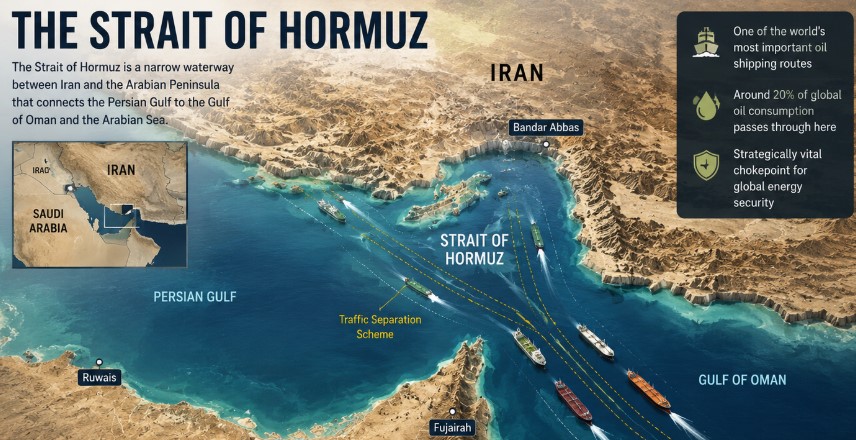
The diplomatic situation remains fragile. Pakistan has been leading efforts to broker a peace framework between the two countries, and Pakistan's Foreign Minister Ishaq Dar was set to travel to Washington on Friday to meet with Secretary of State Marco Rubio. The Pakistani foreign ministry said the meeting would cover bilateral relations and "exchange views on regional and global developments of mutual interest." Pakistani officials have served as go-betweens through multiple rounds of proposed negotiating frameworks, which would, if agreed, see the Strait of Hormuz reopened and direct talks resumed on issues including Iran's nuclear program.
A senior Iranian official pushed back on U.S. framing of the conflict during a visit to Moscow. Ali Bagheri, Deputy for Foreign Policy and International Security at Iran's Supreme National Security Council, told Russia's state-run RT network that the region's stability hinged on Washington pulling back. "There is no problem between the Islamic Republic of Iran and its neighboring countries, and this region without the United States will be the most stable and best region in the world," he said. Bagheri accused the U.S. of launching attacks on Iran twice while negotiations were still active.
Treasury Secretary Scott Bessent pointed to Iran's efforts to charge ships to transit the Strait of Hormuz as a sign of desperation for cash. He warned other nations that paying Iran would violate U.S. sanctions.
The conflict is also creating complications for the FIFA World Cup, which kicks off in three weeks. Iran's national football team has not yet been issued U.S. visas. Several players attended visa appointments in Turkey last week, where the team has been training. The Iranian Football Federation president, Mehdi Taj, said the U.S. needs to issue multiple-entry visas because Iran's squad will need to cross in and out of the country multiple times for group stage matches.
FIFA confirmed Monday that Iran's team base camp was moved from Tucson, Arizona, to Centro Xoloitzcuintle in Tijuana, Mexico, at Iran's request. Taj noted that Tijuana's location directly across the border from San Diego could help ease the visa situation. Iran opens its World Cup campaign on June 15 against New Zealand in Los Angeles, faces Belgium on June 21, also in Los Angeles, and plays its final group stage match against Egypt in Seattle on June 26.
The whole squad also applied for Canadian visas in the event Iran advances to knockout rounds held in Canada.