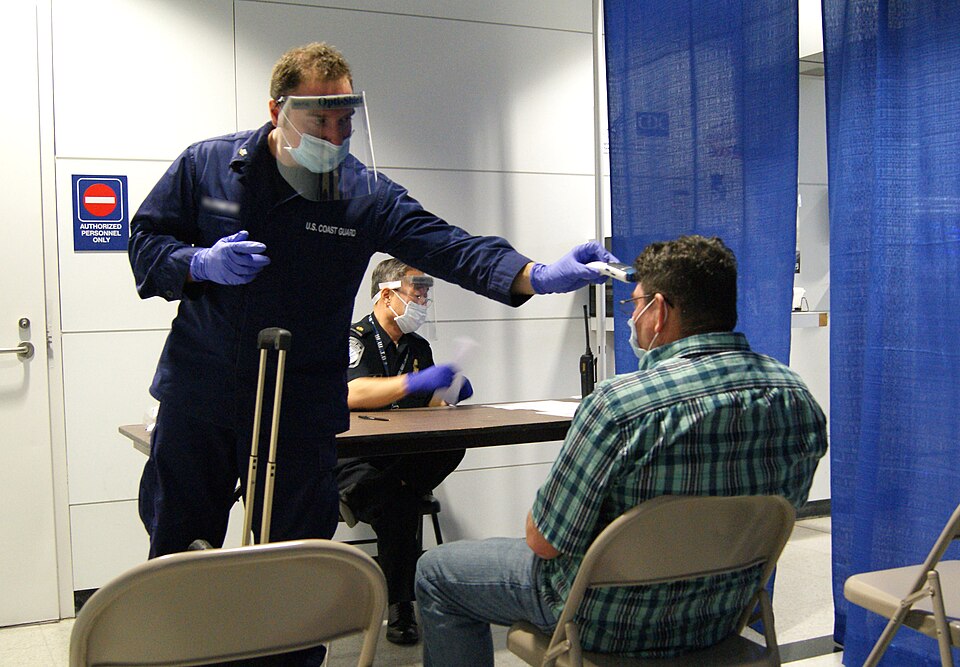
JFK International Airport will begin screening passengers traveling from countries currently experiencing Ebola outbreaks, according to a report by NBC News. The move comes as two separate disease outbreaks are drawing attention to recent reductions at federal health agencies responsible for tracking and responding to infectious disease threats.
The Ebola screening at JFK is one of the more visible public health responses to the current outbreak situation. JFK is one of the busiest international airports in the United States and serves as a major entry point for travelers arriving from Africa, where Ebola outbreaks have historically been concentrated.
At the same time, CBS News reported that both the Ebola situation and a separate hantavirus outbreak are raising questions about cuts made to the Department of Health and Human Services and related agencies under the Trump administration. Critics have argued that reductions in staffing and funding have left the country less prepared to detect and respond to emerging infectious disease threats.
Hantavirus is a rodent-borne illness that can cause severe respiratory disease in humans. Unlike Ebola, it does not spread person to person, but outbreaks require active surveillance and public health infrastructure to track exposure risks and alert affected communities.
The simultaneous emergence of two outbreak situations has intensified debate over the capacity of the United States government to monitor global disease activity and protect domestic public health. Organizations that work on pandemic preparedness have pointed to the cuts as a factor that could slow response times and reduce the quality of outbreak data available to decision makers.
Federal health officials have not publicly addressed the specific concerns raised about staffing reductions in connection with either outbreak. The screening program at JFK represents one concrete step, but public health experts have noted that airport screening alone has significant limitations as a containment tool, particularly for diseases with longer incubation periods.
The two outbreaks are unrelated in origin but together have put federal health preparedness back at the center of public debate at a time when the agencies responsible for that preparedness are operating with fewer resources than they had in previous years.