The head of the World Health Organization has traveled to the Democratic Republic of Congo as the country deals with its 17th recorded Ebola outbreak, according to a report by Al Jazeera.
The WHO chief directed attention to the Ituri region, which has been described as the hardest hit area in the current outbreak. The visit was intended to assess conditions on the ground as the disease continues to spread.
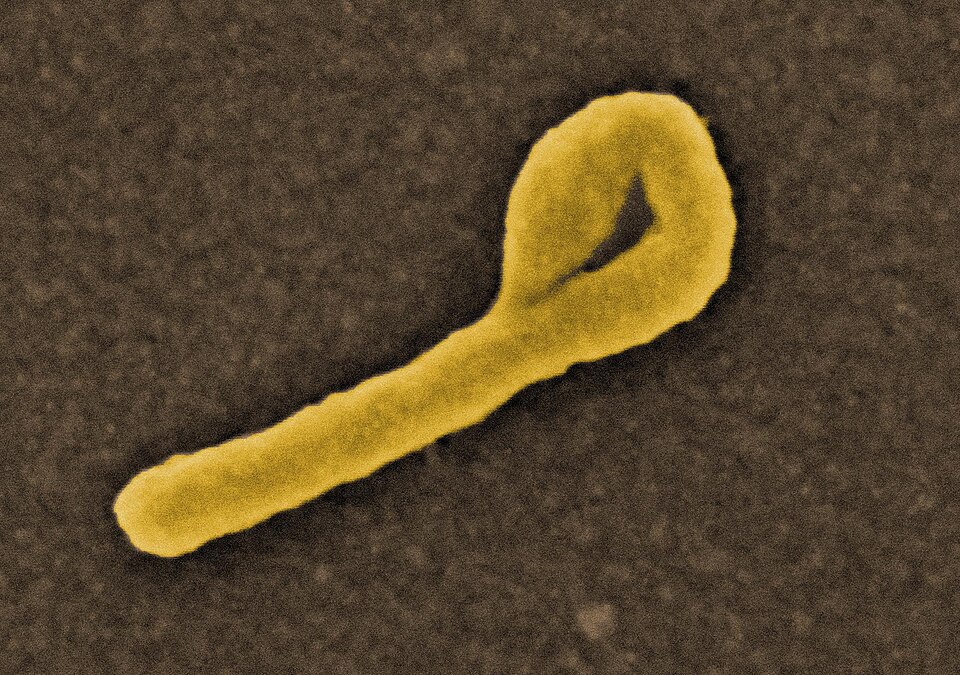
The DRC has experienced more Ebola outbreaks than any other country. The current outbreak marks the 17th time the country has dealt with the virus. Ebola is a severe and often fatal illness caused by a virus that spreads through direct contact with the blood or bodily fluids of infected people or animals.
Ituri is a province in the northeastern part of the DRC. The region has faced repeated health crises over the years, compounded by ongoing conflict and limited infrastructure, which makes outbreak response difficult.
The WHO chief's presence in the region signals the international organization's concern about the pace and direction of the spread. The visit is part of broader efforts to coordinate a response and support local health workers managing cases in affected communities.
The situation in Ituri remains active as of the date of the report.