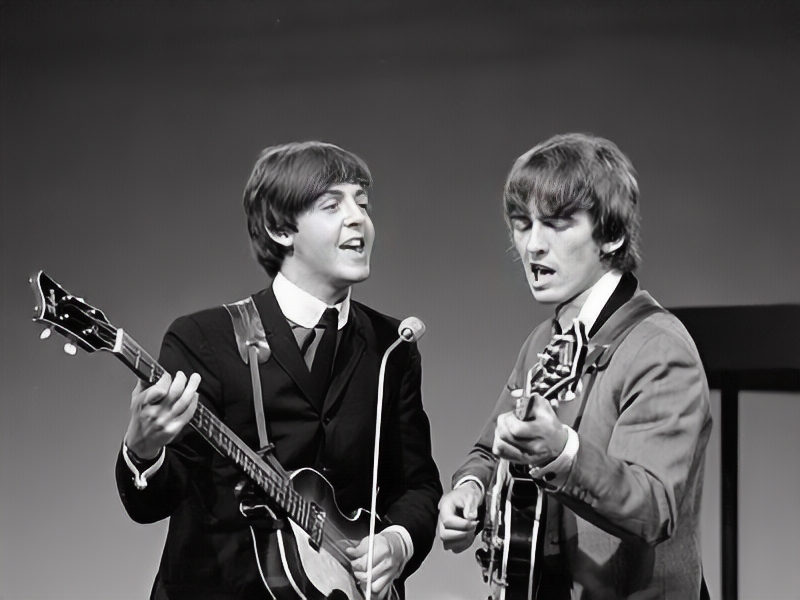
Paul McCartney thought he had found a safe harbor from global fame. It was Greece, and it did not last long.
During an interview on The Zane Lowe Show, McCartney looked back on the early days of Beatlemania and what it felt like to suddenly be recognized everywhere. Rolling Stone reported on the conversation, which McCartney gave to promote his new album, The Boys of Dungeon Lane.
"I remember once in the early days of the Beatles, we were kind of recognized most places, but me and Ringo went on holiday with our girlfriends then to Greece and nobody knew us," McCartney said. He recalled thinking at the time: "This is great. Wow, we must come back here more often. Even when we get really famous, we can always come to Greece and they're never going to know us." He added, "But, of course, that didn't work."
Their music and their faces eventually reached Greece, as they reached everywhere else. McCartney described having to make a deliberate choice about what to do next. "I realized, 'Oh, I'm going to be famous all my life, if I'm lucky,' I thought, 'Okay, big decision time.' Now, you either stop and you just sort of think that was lovely. I had a great time with the music, and you do something else more anonymous or you carry on," he said.
He chose to carry on, and he credits his family in Liverpool for helping him stay grounded through it. "They are the kind of people who put people at ease," he said, adding that he learned how to do the same by being around them.
McCartney is now 83. The Boys of Dungeon Lane came out on Friday. Rolling Stone reviewed the record and called it McCartney's latest solo masterpiece. Critic Simon Vozick-Levinson wrote that "Overall, there's the sense of a legend looking back on a life well spent," and added that while this was not a new theme for McCartney, "the autumnal vibe is more pronounced than ever."
The interview was wide-ranging, covering the intense period when the Beatles rose to the top of charts worldwide and the strategies McCartney developed to handle that level of attention. He described it as a "very intense period of time" in the 1960s, one that required conscious decisions about identity and privacy that most people will never face.