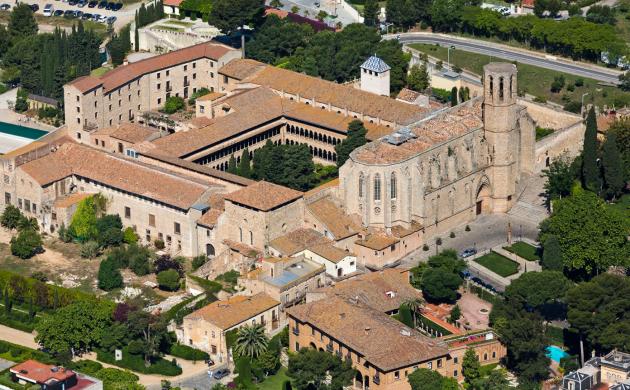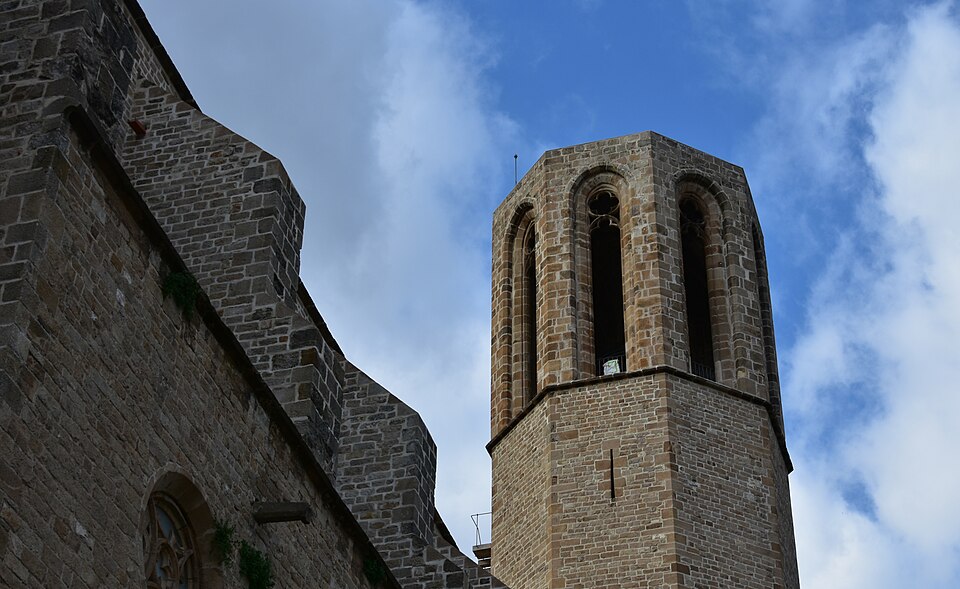
Archaeologists in Barcelona opened eight graves inside a 14th-century monastery and found 25 skeletons, including the remains of a medieval queen who founded the site seven centuries ago.
According to Live Science, the excavation took place at the Royal Monastery of Santa Maria Pedralbes as part of events marking the 700th anniversary of its founding in 1326. Researchers opened the tombs of Queen Elisenda of Montcada, the monastery's first two abbesses, and several other people connected to the site's early years.
Queen Elisenda was 30 years old when she married the 55-year-old James II of Aragon and Valencia, just one month after his third wife died. She became stepmother to his 10 children. James II, also known as James the Just, ruled Aragon and Valencia in what is now eastern Spain from 1291 until his death in 1327. While James was ill near the end of his life, Elisenda founded the Pedralbes monastery for the Order of the Poor Clares, a group of cloistered Catholic nuns. After his death, she lived in a small palace adjacent to the monastery until she died in 1364.
When researchers opened her tomb, they found her bones gathered in a box placed in one corner of a larger space between the church and the cloister. A low wall divided the space in two. Researchers believe this arrangement was deliberate, designed to represent Elisenda in her two roles: as a sovereign next to the church and as a penitent next to the cloister.
An initial analysis of her bones indicated she was about 70 years old at death, consistent with historical records. Her remains showed signs of osteoarthritis associated with aging. Although she was buried in a plain monastic habit, traces of a gold-embroidered silk textile were found in the tomb along with the aromatic herbs rosemary and myrtle.
The findings from the other graves were more unexpected. Among the 25 skeletons found across the eight tombs, some of the individuals buried near the queen bore signs of violent death. Men in the group had unexplained stab wounds. A woman had died while pregnant. Researchers have not yet explained the circumstances behind either finding.
The investigation was announced in a translated statement from the Culture Institute of Barcelona dated May 28. The stated goal of the excavation was to learn more about the queen's life and about the living conditions of the 14th-century female monastic community at Pedralbes. Analysis of the remains is continuing.