Placing a bird feeder in the wrong spot in a yard can put birds at risk. The location affects exposure to predators, the chance of deadly window collisions, and whether squirrels and raccoons can reach the food.
Tru Hubbard, an urban wildlife education coordinator for the Nevada Department of Wildlife, spoke with CNET about the key factors homeowners should think through before hanging a feeder. His advice centers on four main considerations: coverage, proximity to trees, distance from windows, and height off the ground.
Birds prefer feeding in areas where they can escape quickly if a predator appears. Placing a feeder near trees or shrubs gives birds a refuge from both predators and bad weather. The standard guideline is to keep the feeder between 10 and 15 feet from bushes and trees. Too close, however, creates a different problem.
"We also want to reduce the ability of other animals to access the food, which is why sometimes hanging them in trees can be an invitation to our smaller mammals," Hubbard said. "Placing it about 10 feet away from any tree or structure squirrels or raccoons could use to jump off will help stop them from stealing food."
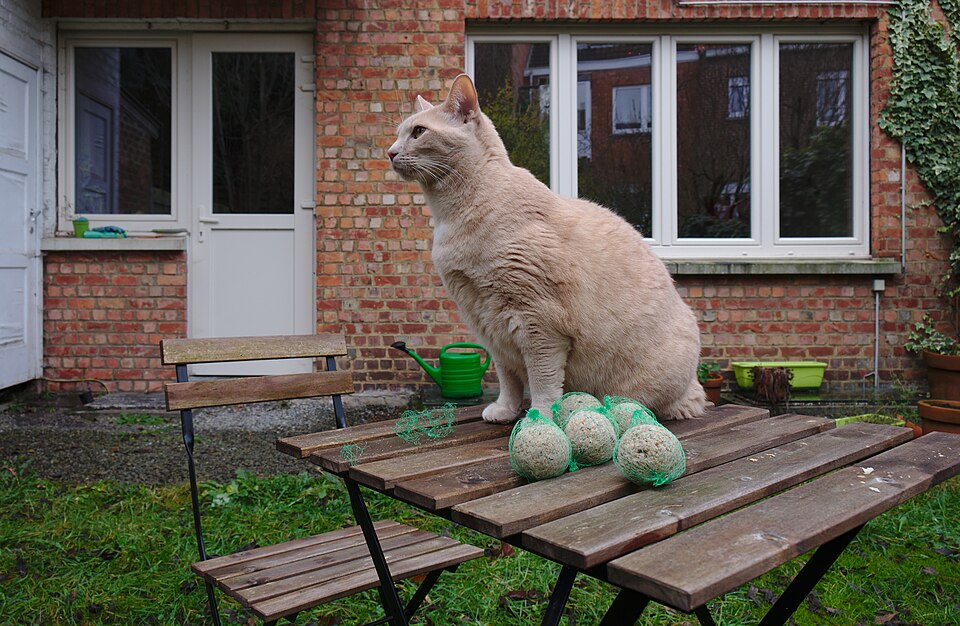
Correct placement can also reduce the chance of birds being stalked by cats hiding in nearby bushes. Feral and domestic cat predation is the primary driver of bird mortality in the United States, making this a significant consideration when choosing a feeder location.
Window collisions are another serious risk. "There are multiple factors to consider that can vary for each person and yard," Hubbard said. "Prioritizing the bird's safety should be number one; thus, avoiding spots that could increase the chance of bird strikes on windows should be at the top of the list."
A useful rule of thumb is called the Rule of 3 or 30. It says a feeder should be placed either within 3 feet of a window or at least 30 feet away. A feeder within 3 feet reduces injury risk because birds will not have built up much speed before hitting the glass. A feeder more than 30 feet away gives birds enough distance to avoid the window entirely. The space in between, roughly 3 to 30 feet, is considered the most dangerous range.
The safest option, according to the guidance, is to position the feeder well beyond 30 feet from any window, eliminating the collision risk entirely.
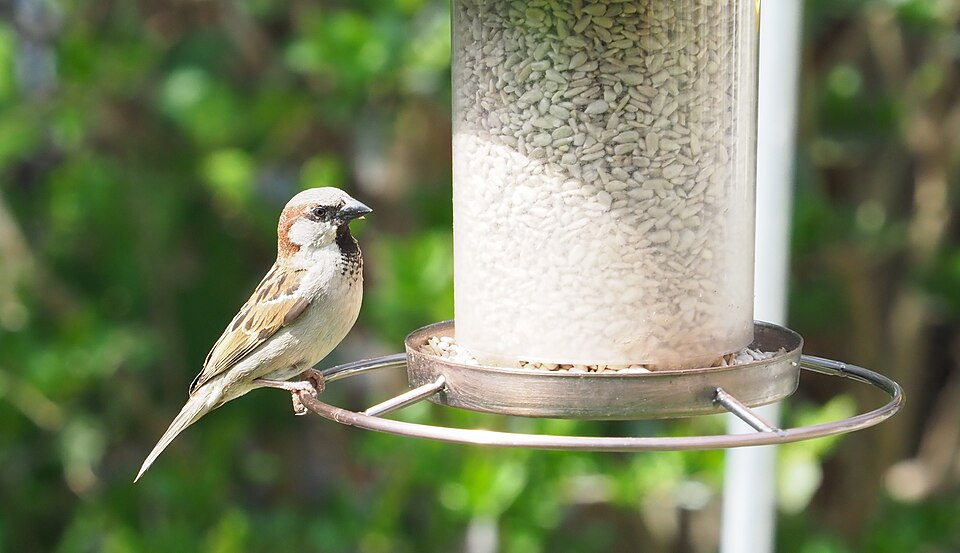
For people considering a smart bird feeder, the same placement rules apply. Cameras built into newer feeders can help owners identify species, but the location still determines how safe the feeding station is for the birds using it.