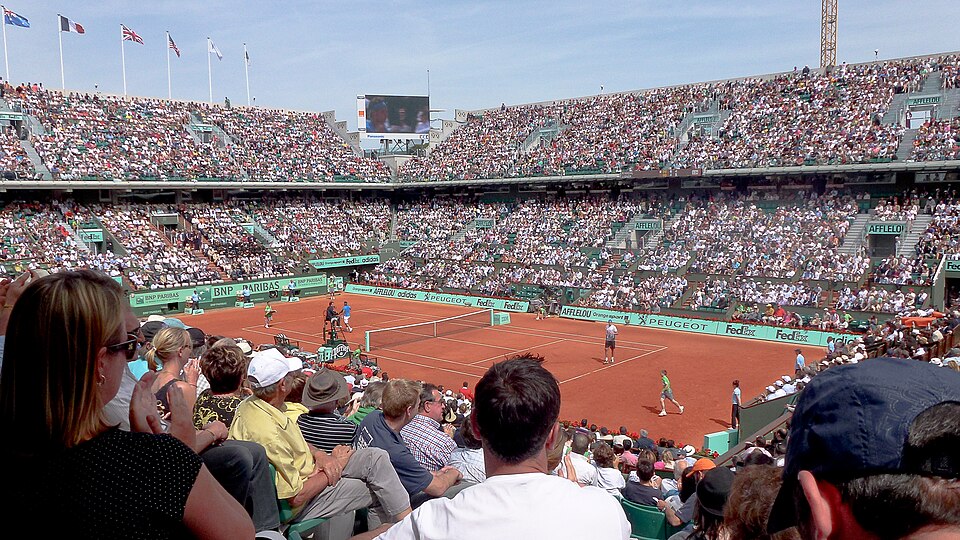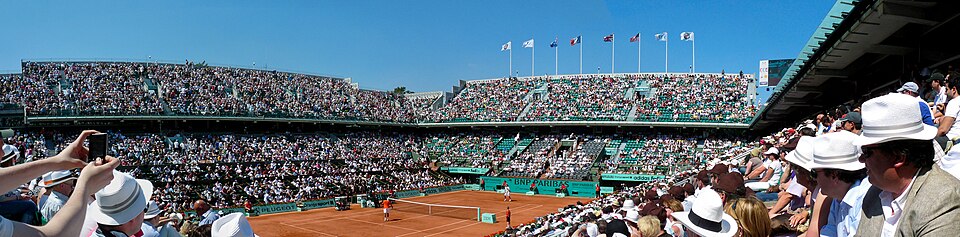
Thirty-two straight primetime sessions at the French Open have been scheduled for men's matches. No women's match has been held in the night slot at Roland Garros since 2023, and the debate over why is growing louder.
Since one-match evening sessions were introduced in 2021, only four of the 60 slots on Court Philippe Chatrier have been given to women. The night matches are designed to showcase the sport to the largest possible audience in France, Europe, and the United States, according to BBC Sport. Tickets for those sessions range from 60 to 280 euros.
Four-time Grand Slam champion Naomi Osaka said on Saturday she did not even associate the French Open with night matches. American world number five Jessica Pegula said last year she felt like she was "hitting her head against the wall" over the subject. Two-time Wimbledon finalist Ons Jabeur went further. "I don't think they have daughters, because I don't think they want to treat their daughters like this," Jabeur said.
Jelena Ostapenko, the 2017 French Open women's singles champion, is one of the few women to have played in a night session. Her second-round match against France's Alize Cornet was scheduled there in 2022. She told BBC Sport she wants to see that change. "I wish women's tennis could be shown more in those spots. The men always have the priority with the scheduling, they take the most popular slots, and on bigger courts," Ostapenko said. "I like to play at night - especially when the stadiums are full. I'm the kind of player that really enjoys it when there are a lot of fans watching and I think that's what we all play for."
The debate has been raised in each of the past three years without resulting in any change to scheduling practices. This week, newly appointed WTA chief executive Valerie Camillo met with French Open tournament director Amelie Mauresmo at Roland Garros to raise the issue directly. The WTA described the conversation as open and productive. Camillo stated her belief that women's players have delivered some of the most exciting and dynamic competition in global sport in recent months and years.
Mauresmo, a former women's world number one, has consistently argued that the risk of women's matches finishing too quickly is behind the scheduling choices. Whether Camillo's meeting with her produces any concrete results remains to be seen.