U.S. Treasury yields barely moved Monday even as the United States and Iran exchanged military strikes over the weekend, adding fresh uncertainty to a conflict that had briefly appeared to be nearing a pause.
According to CNBC, the 10-year Treasury yield, which serves as the key benchmark for mortgages, auto loans and credit card debt, was up less than 1 basis point at 4.457%. The 2-year Treasury note yield, which tends to react to short-term Federal Reserve rate decisions, rose more than 1 basis point to 4.033%. The 30-year bond yield fell more than 1 basis point to 4.981%. One basis point equals 0.01%, and yields and prices move in opposite directions.
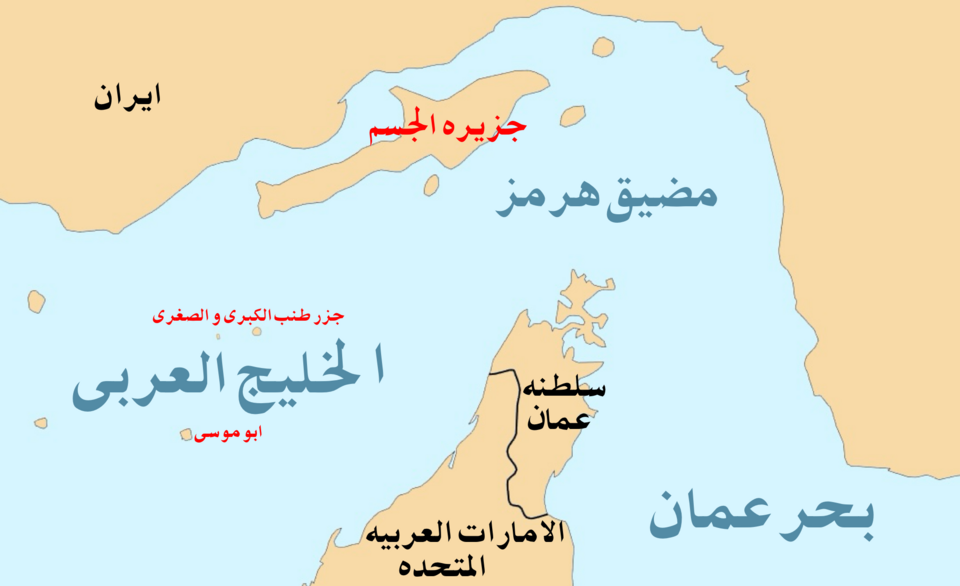
The strikes took place close to the Strait of Hormuz, a strategically important shipping channel through which a large share of global oil supply passes. The proximity of the conflict to that waterway pushed energy markets sharply higher. West Texas Intermediate crude futures jumped 3% to around $90 per barrel. Brent crude, the international oil price benchmark, also rose 3% to around $93 per barrel.
Bond yields had steadied on Friday as traders closed out May with attention on geopolitical developments and signs that the two countries were nearing a ceasefire extension. The weekend strikes reversed that cautious optimism and sent oil markets upward on the first day of June.
Separately, former Federal Reserve chair Jerome Powell warned in a speech that moves by the Trump administration to push the central bank toward lower interest rates risk damaging the public's faith in the institution's independence.
Investors were also watching for fresh economic data Monday. The Institute for Supply Management was set to release its manufacturing index for May. Consensus forecasts called for a reading of 53, up from April's 52.7 print. April's number had been unchanged from March and represented the highest level since April 2022. Analysts have been closely monitoring such readings for signs of rising costs inside the U.S. economy.