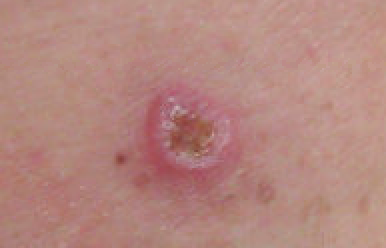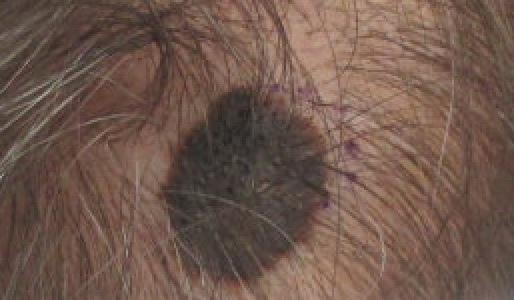
The same mRNA technology used in COVID-19 vaccines is now being tested against one of the deadliest forms of skin cancer. According to a report by NPR, researchers are developing a personalized cancer vaccine for melanoma patients, built from the genetic blueprint of each patient's own tumor.
The process starts after a surgeon removes a melanoma tumor. Scientists analyze the tumor's DNA and identify mutations unique to that cancer. Those mutations are then used to build a custom mRNA vaccine, designed to train the immune system to recognize and attack any remaining cancer cells in the body.
The vaccine is made specifically for one patient and no one else. Every tumor is different, and the mutations driving one person's melanoma are not the same as those in another person's. That individual targeting is central to how the treatment works.
Early clinical trial results have been promising. The data showed that patients who received the personalized mRNA vaccine, combined with an existing immunotherapy drug called pembrolizumab, were significantly less likely to see their melanoma return compared to patients who received only the immunotherapy drug. The reduction in recurrence risk was reported at nearly 44 percent.
The trial involved patients with stage three and stage four melanoma, cancers that have spread beyond the original tumor site and carry a high risk of coming back after surgery. Those are the patients who need new options most.
Moderna is developing the vaccine in partnership with Merck, the maker of pembrolizumab. The companies are now running a larger phase three clinical trial to confirm whether the results hold across a broader group of patients. That trial is still ongoing.
Researchers involved in the work say the same mRNA platform could eventually be applied to other cancer types. Pancreatic cancer and lung cancer are among the diseases being explored. The melanoma trial is serving as a test case for whether the approach can be scaled and replicated.
The science behind the vaccine relies on neoantigens, which are protein fragments that appear on the surface of cancer cells because of the mutations inside them. The immune system does not naturally recognize these fragments as threats in many patients. The vaccine is designed to change that, essentially teaching the immune system what to look for.
Manufacturing a unique vaccine for each patient takes time and resources. Right now the process takes several weeks from tumor removal to vaccine delivery. Researchers are working to shorten that window, since the faster the vaccine can be administered after surgery, the better the chances of catching any remaining cancer cells before they spread.
The broader promise of personalized mRNA cancer vaccines has been discussed in oncology research for years. The melanoma results are the first large-scale clinical data to suggest the approach may actually work in practice.