

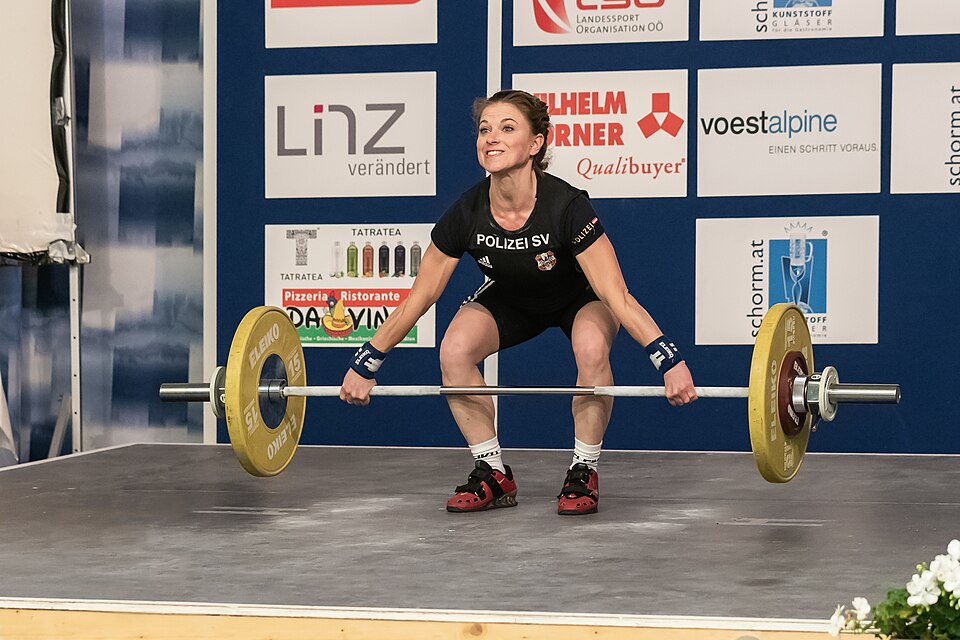
A large study spanning three decades found that people who did 90 to 120 minutes of strength training each week had a 13 percent lower risk of dying from any cause. The research, published June 2 in the British Journal of Sports Medicine, also found no added benefit from going beyond 120 minutes per week.
According to Healthline, the study drew on data from three large groups totaling 147,374 participants. Of those, 31,540 were male and 115,834 were female. The average age at the start of the study was 54. Participants were asked every two years about the time they spent on strength training and aerobic exercise. Over the course of the study, 35,798 participants died.
The 90 to 120 minute weekly range was also linked to a 19 percent lower risk of dying from cardiovascular disease and a 27 percent lower risk of dying from neurological disease. The cancer findings were different. A lower risk of cancer death appeared only at lower levels of training, with a 9 percent lower risk at 1 to 29 minutes per week and a 12 percent lower risk at 30 to 59 minutes per week.
Strength training in the study included exercises using weights or body weight such as push-ups, lunges, and squats. Aerobic exercise included brisk walking, running or jogging, swimming, cycling, tennis and squash, strenuous outdoor work, and stair climbing.
Clarinda Hougen, a primary care sports medicine specialist at Cedars-Sinai Orthopedics in Los Angeles who was not involved in the study, noted the connection between muscle and metabolic health. "It is important to engage in aerobic exercise that increases the heart rate. This new study finds [that] another important aspect of exercise is strength training, including free weights, weight machines, and body weight exercises," Hougen said. She also told Healthline that "By training and growing your muscle mass, you can improve your metabolic health and help reduce cardiovascular risk."
The study adds to an existing body of research supporting strength training for bone health, balance, and weight management. The new data connects regular resistance work directly to reduced mortality risk over a long time horizon.
The researchers noted the ceiling effect as a practical takeaway. For most people, roughly 1.5 to 2 hours of strength training per week appears to be sufficient for overall health and longevity benefits, with no measurable gain from doing more.