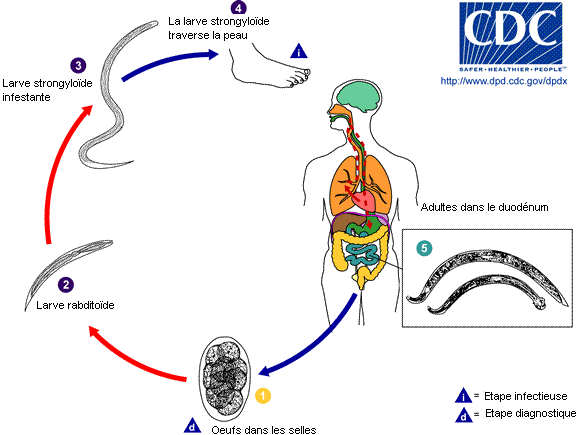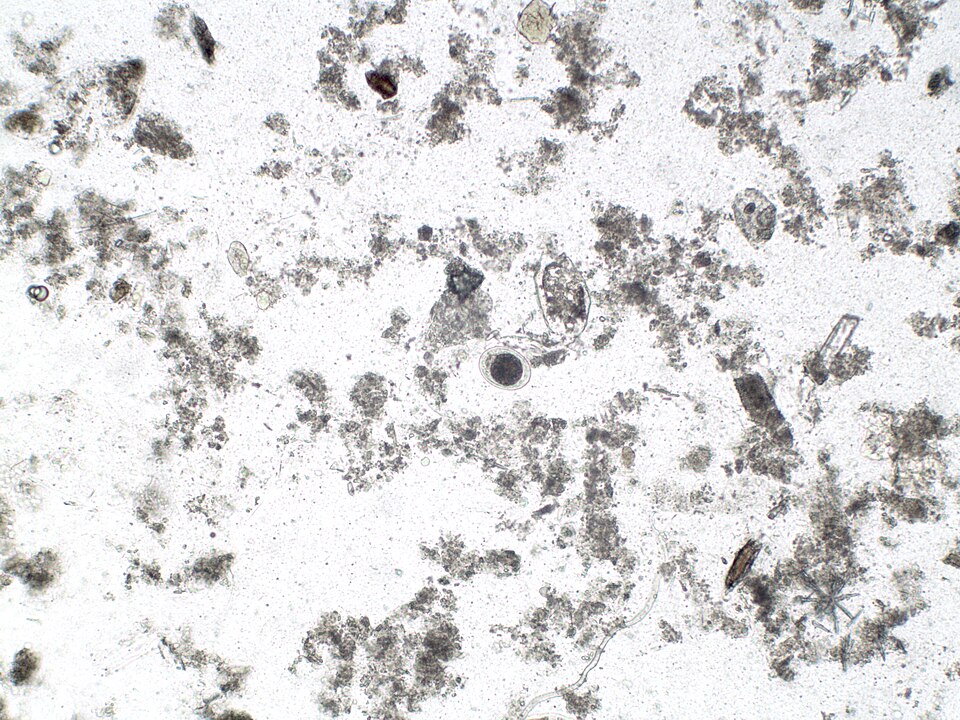
Scientists have successfully engineered hookworms to deliver medicine to animal hosts, opening a potential new path for treating diseases that are difficult to reach through conventional drug delivery, according to a report by News-Medical.
The research involved genetically modifying hookworms, which are intestinal parasites that attach to the lining of the gut, to produce and secrete therapeutic proteins inside the host animal. The worms effectively become living drug delivery systems, releasing medication from within the body rather than requiring patients or animals to take drugs by mouth or injection.
Hookworms are parasites with a long evolutionary history of surviving inside mammalian hosts. They attach to the intestinal wall and can persist for extended periods without being expelled by the immune system. Researchers have been exploring whether that durability could be turned to a medical advantage, using the worms as a platform to deliver biological therapies where they are needed most.
The genetically modified worms in this study were able to successfully deliver medicine to animal hosts, demonstrating that the basic concept is viable. The research represents a proof-of-concept stage, meaning scientists have shown the approach can work in animals, but human applications remain well in the future.
This line of research fits within a broader field called biologic drug delivery, which looks for ways to get complex protein-based therapies into the body more effectively. Traditional pills often cannot deliver large protein molecules intact because the digestive system breaks them down before they reach their target. A living organism that produces the protein from inside the gut could sidestep that problem.
There are also potential applications in conditions where the gut itself is the target, such as inflammatory bowel disease or intestinal infections. A modified hookworm living in the intestine could theoretically release anti-inflammatory proteins exactly where inflammation occurs, providing continuous local treatment.
Significant hurdles remain before any human application could be considered. Regulatory approval for introducing a living genetically modified parasite into a human patient would require extensive safety data. Researchers would also need to establish control mechanisms to stop treatment, since a living organism cannot simply be discontinued the way a pill can.
The study was reported by News-Medical and adds to growing scientific interest in using biological systems, including bacteria, viruses, and now parasitic worms, as platforms for targeted drug delivery.