One Pennsylvania amusement park is marking its centennial this year with the same policy it has always had: no admission charge at the gate.
Knoebels Amusement Resort in Elysburg, Pennsylvania, opened on July 4, 1926. According to Fox News, it is the largest free-admission amusement park in the United States. The park charges for individual rides, food, and other attractions, but has never required guests to pay simply to enter.
The model traces back to what were called trolley parks in the late 19th and early 20th centuries. Many of those early parks skipped admission fees and made their money from rides and concessions. Knoebels has held to that tradition while the rest of the industry moved toward gated entry.
Owner Brian Knoebel, 52, recently spoke to PA Local about the park's identity. "It's who we are," he said. "It's that traditional park." He also said he had to "had to pinky-swear" to never change the free-admission model.
Knoebel described the park's origins as modest. His ancestors came from Germany, worked as lumberers, and eventually began welcoming visitors to the land on Sundays after church. "After church on Sunday, they'd come down and park their horse and buggy off to the side, and frolic in the stream and have a little picnic," he told PA Local. His great-grandfather charged a quarter to feed and stable horses for visitors.
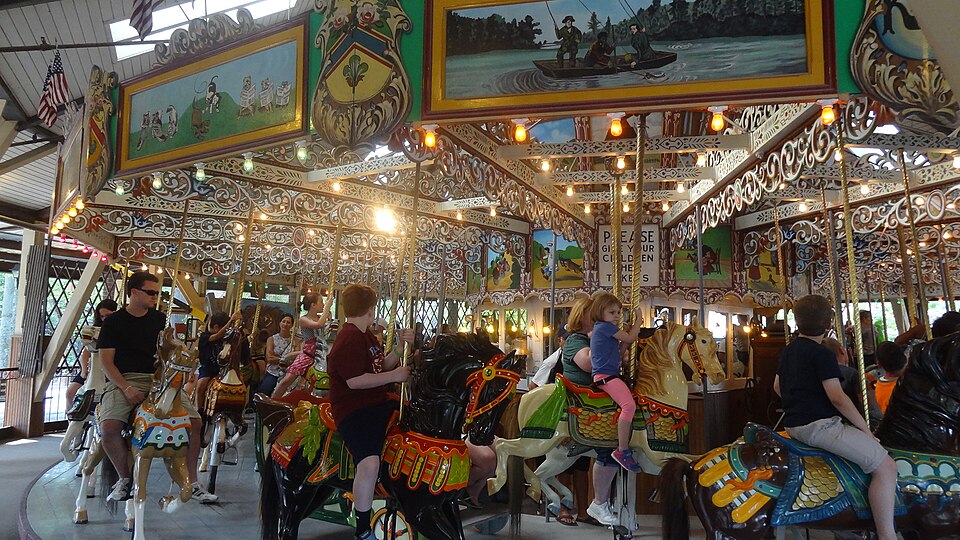
From there, the park grew slowly. "Little by little, he started building some picnic tables and park benches, and on July 4, 1926, we opened a swimming pool, a restaurant — appropriately named 'The Restaurant' — and we rented a steam-powered carousel," Knoebel said.
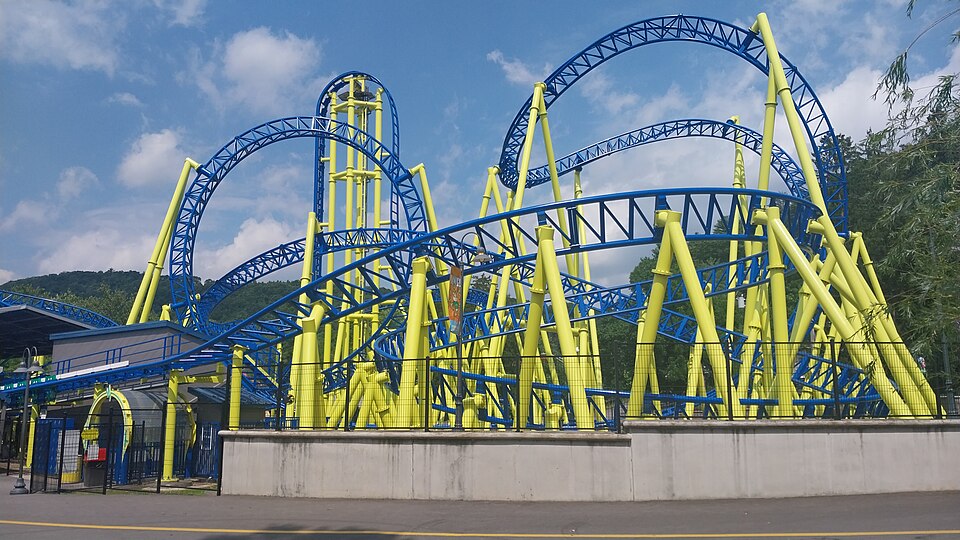
The park now has 60 rides, 38 food stands, 24 games, water slides, and an 18-hole golf course with a bar and tavern located a quarter mile down the road. Despite the growth, Knoebel said the atmosphere has stayed the same, with the canopy of trees, shaded walkways, creekside seating, and classic attractions still intact.
The free-entry model matters particularly to older visitors on fixed incomes, Knoebel said. He noted that grandparents "get more satisfaction out of watching their grandkids ride the rides than they do themselves." He added: "And Grandma and Grandpa are on a limited income. So they don't pay to park. We don't force you to buy food in the park — if you want to bring a picnic lunch, then bring a picnic lunch."
Knoebel said the family is clear about what the park is and who it serves. "We absolutely know our brand," he said. "We know our fans. And that throwback amusement park from yesteryear is exactly who we continue to be."
The park's centennial falls during the same year the United States celebrates its 250th anniversary, which has already driven increased interest in American travel destinations.