The biggest public stock debut in history could arrive as soon as next week. SpaceX, the rocket and satellite company led by Elon Musk, is expected to begin trading publicly, and some analysts are already warning that the company may struggle to live up to the enormous expectations Wall Street has built around it.
According to a report by MarketWatch, analysts have described some of SpaceX's projected valuations as moonshot projections that could fall short. The company has attracted multitrillion-dollar estimates from some corners of the market, a number that raises obvious questions about whether any business can justify that kind of price tag out of the gate.
For investors who want exposure to SpaceX but are worried about the volatility that often follows a major IPO, several of Cathie Wood's ARK Investment ETFs are seen as likely buyers of the stock once it goes public, according to Yahoo Finance. Three funds in particular stand out as candidates.
The ARK Innovation ETF, known by the ticker ARKK, focuses on what it describes as disruptive innovation. SpaceX fits that description in more than one way. Beyond its launch services business, the company has built a significant artificial intelligence operation. Including xAI, Grok, and X, the company's AI segment generated $3.2 billion in revenue in 2025. ARKK holds $6.5 billion in net assets and carries a 0.75% expense ratio.
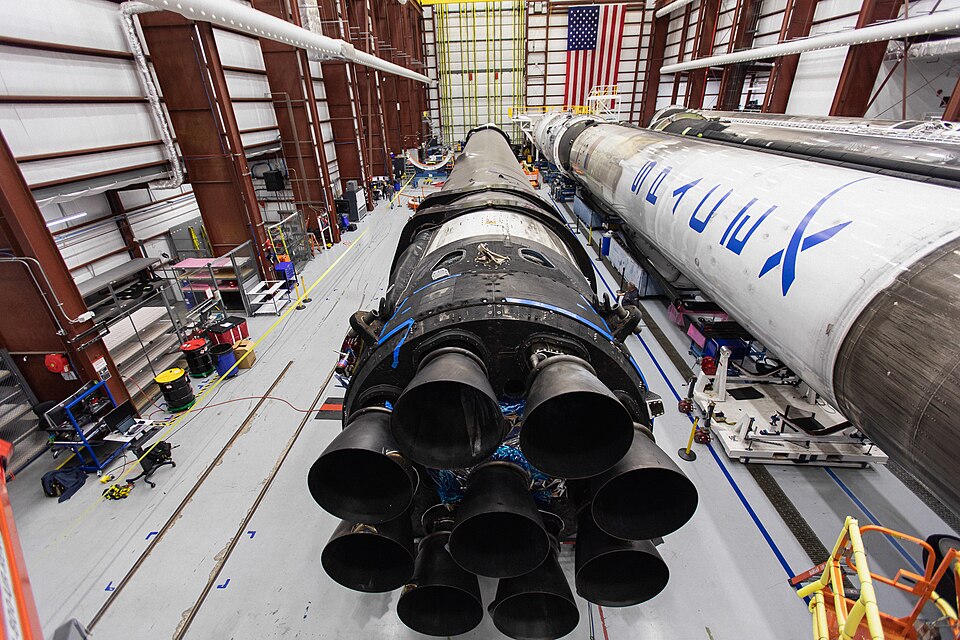
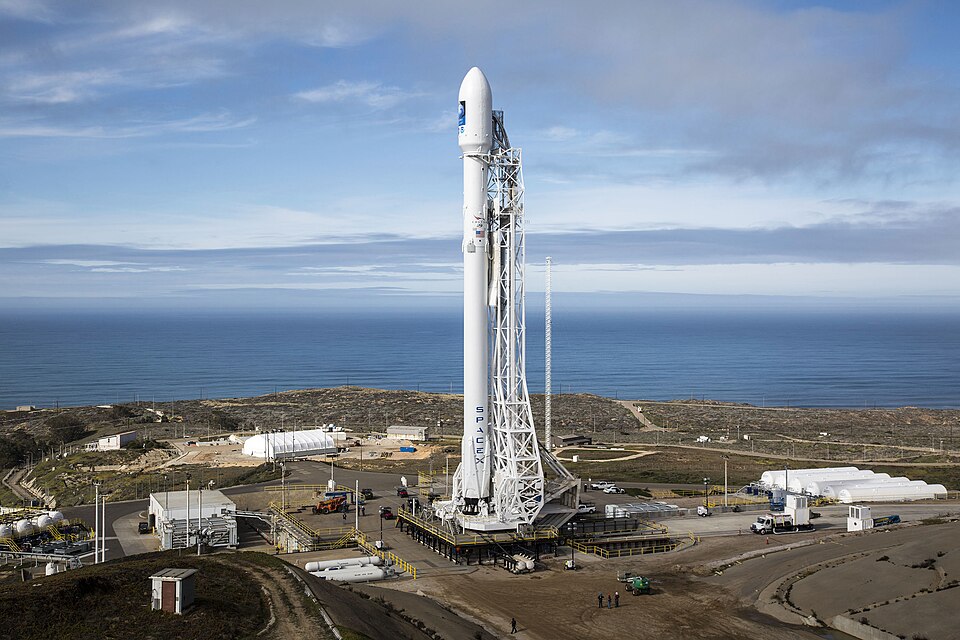
The ARK Space and Defense Innovation ETF, ARKX, is an even more direct fit. The fund specifically targets reusable rocket technology as one of its main investment themes. Rocket Lab already holds the fund's second-largest weighting, which suggests SpaceX would be a natural addition. SpaceX achieved the milestone of orbital-class rapid reusability in 2017 with its Falcon 9 rocket and later expanded on it with the partly reusable Falcon Heavy. The fund holds $893 million in net assets with an expense ratio of 0.75%.
The third candidate is the ARK Next Generation Internet ETF, ARKW. The connection to SpaceX may not be obvious from the name, but the company's Starlink broadband service makes it a strong match. Starlink is designed to deliver low-latency internet connectivity worldwide from a constellation of satellites in orbit. The subscriber base grew from 2.3 million in 2023 to 8.9 million in 2025, a number that signals real commercial traction.
The broader question hanging over all of this is whether SpaceX's business results can eventually match the scale of its valuation. The company spans launch services, satellite internet, artificial intelligence, and social media through its ownership of X. Each of those segments carries its own growth story. But analysts who have looked at the numbers have raised concerns about whether even strong performance across all of them can justify where some estimates have landed.
For retail investors, the ETF route offers one way to participate without taking on the full risk of buying a single newly public stock at what could be a peak valuation. Whether the funds buy heavily on day one or build positions over time, all three ARK funds have clear reasons to make SpaceX a significant holding once shares are available on the open market.
The IPO, if it proceeds on the expected timeline, would represent a defining moment for the private space industry and for Musk's broader business empire. The market's reaction in the first days of trading will likely set the tone for how aggressively institutional buyers, including the ARK funds, move to accumulate shares.