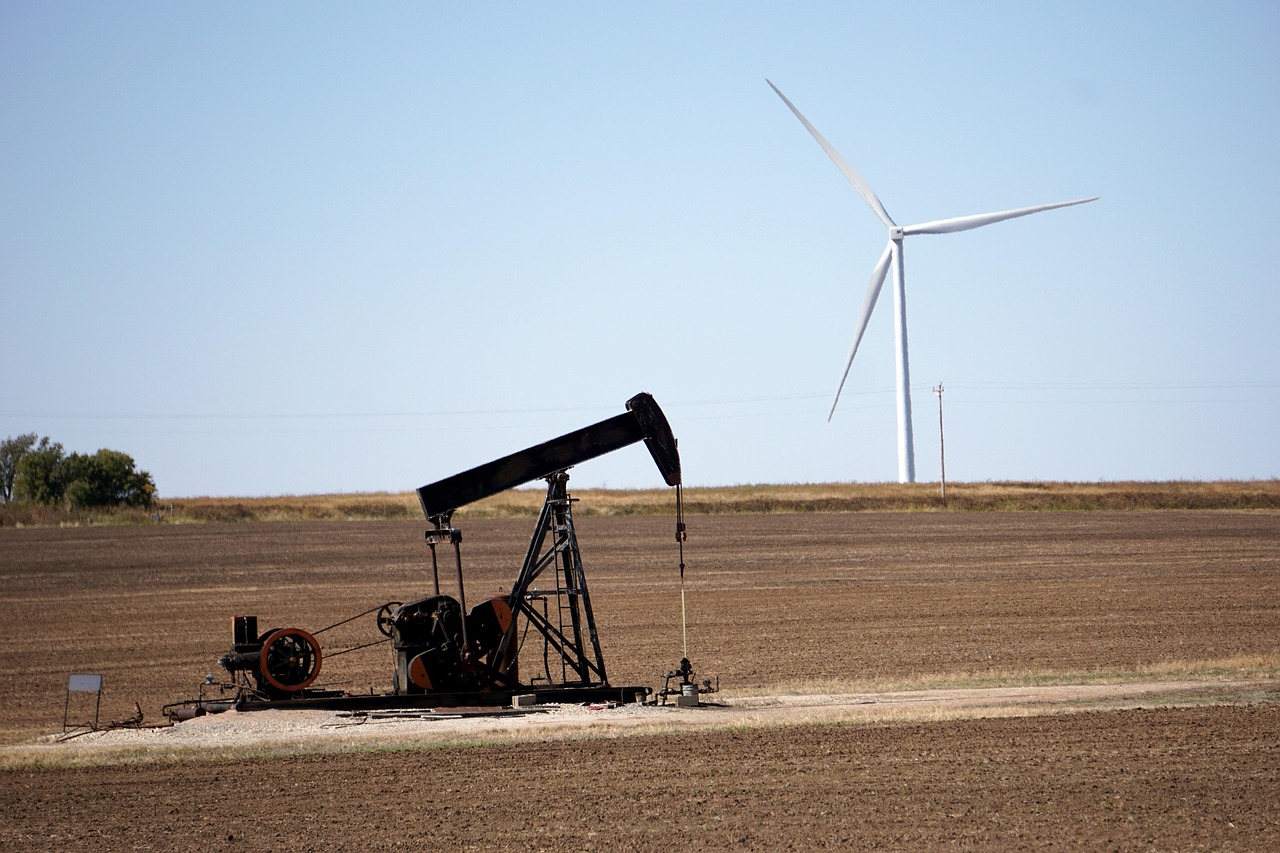
U.S. crude oil storage is draining at a pace that is starting to alarm energy industry executives and analysts. At the end of May, inventory at Cushing, Oklahoma, a key oil hub that serves as the delivery point for U.S. crude futures, stood at 22.4 million barrels. That is down four million barrels from February. Industry watchers warn that if levels hit 20 million barrels, energy companies could begin to face operational challenges.
The warning did not come only from independent analysts. According to a report by Yahoo Finance, the CEOs of both Chevron and ExxonMobil have said publicly that oil prices are not fully reflecting what is actually happening in the physical market. Phillips 66, a major U.S. refiner, has also flagged the tightening supply situation.
The reason U.S. stockpiles are falling is connected to what is happening on the other side of the world. Middle East oil flows have been constrained by the ongoing conflict involving Iran. As supplies from that region tightened, oil buyers turned to the United States, which is one of the world's largest producers. U.S. exports rose to fill part of the gap. That helped the global market in the short term but has drawn down domestic reserves in the process.
Meanwhile, the strain on shipping has become severe. Asia-to-U.S. container rates have spiked 109% since the Iran war started, according to Bloomberg. Oil tanker owners who saw record profits during the early stages of the conflict are now beginning to fear a market reversal if the situation shifts suddenly.
The core problem, according to energy executives, is that the United States is only a temporary fix for a much larger supply disruption. There is not enough oil to go around globally, and U.S. export capacity cannot substitute indefinitely for the volume that the Middle East normally provides. The drawdown at Cushing can only continue so long before exports would likely need to be cut back.
The timeline for resolution is unclear. Energy industry executives have said the bottleneck in the Middle East could take months to work through, and the recovery process cannot begin until the conflict ends. There is no sign of that happening soon.
For investors, the disconnect between current oil prices and the underlying fundamentals creates a difficult environment. Prices have been driven partly by emotional reactions to daily headlines from the conflict rather than by a careful reading of inventory data and long-term supply trends. Chevron and ExxonMobil are working with decade-long planning horizons. The market, by contrast, has been moving sharply on near-term news.
Pure-play U.S. drillers such as Devon Energy and Diamondback Energy are positioned to benefit from elevated prices and rising demand for domestic crude. Both companies operate in basins where production costs are manageable and output can respond to market conditions. If oil prices rise materially from current levels, those companies would likely see strong earnings.
The risk is that a sudden de-escalation in the Middle East, or a policy decision to curb U.S. exports, could shift the picture quickly. For now, the Cushing inventory number gives the market a concrete threshold to watch. A drop below 20 million barrels would likely force a response from producers, refiners, or policymakers, and the market would probably react sharply when that happens.