ARTICLE:
The director of Virunga National Park in the Democratic Republic of Congo says his team is facing conditions unlike anything in three decades.
"The situation we're living through now is certainly the worst we've experienced in the past 30 years," Emmanuel de Merode told NPR on June 3.
De Merode has been in eastern DRC with the National Park Service since 1993. He oversees a team of more than 800 park rangers spread across a park that covers roughly 2 million acres and stretches more than 180 miles from north to south along the border between Uganda and DRC.
The park sits directly within the Ebola-affected area. There is currently no approved vaccine for the strain of Ebola circulating in the region. International aid has dropped sharply. And the surrounding area is experiencing what de Merode described as "extremely violent armed conflict."
His team is now building Ebola screening posts at points where roads cross rivers inside the park. The logic, de Merode explained to NPR, is that the park functions as a natural barrier. Unlike open border zones where people can easily move around checkpoints, the park's geography forces travelers through specific crossing points.
"It's the only area where you can almost guarantee 100% screening," he said. "If you build the posts where roads cross rivers, it's almost impossible to pass without being screened."
Screening travelers allows health officials to trace contacts if a case is detected, which de Merode said is essential to slowing the spread of Ebola eastward into Uganda, Rwanda or Kenya.
The mountain gorillas living in the park face their own risk. Ebola is particularly deadly to gorillas, and rangers are working to protect the primates from exposure to the virus.
The Okapi Wildlife Reserve is also playing a role in the broader containment effort, blocking potential spread to the west and north toward the large city of Kisangani.
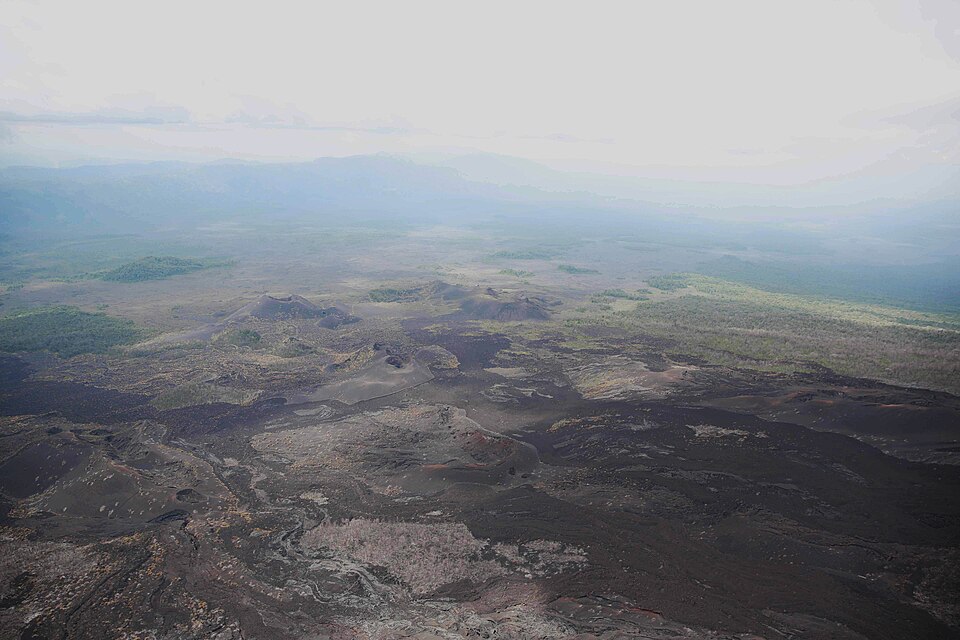
De Merode described the park on calmer evenings as a place where elephants cross the river and hippos gather in pods, with the Mitumba Mountains rising ahead and the snow-capped Rwenzori Mountains behind. "It is one of the most beautiful places in the world," he said. The current outbreak has put that world at serious risk.