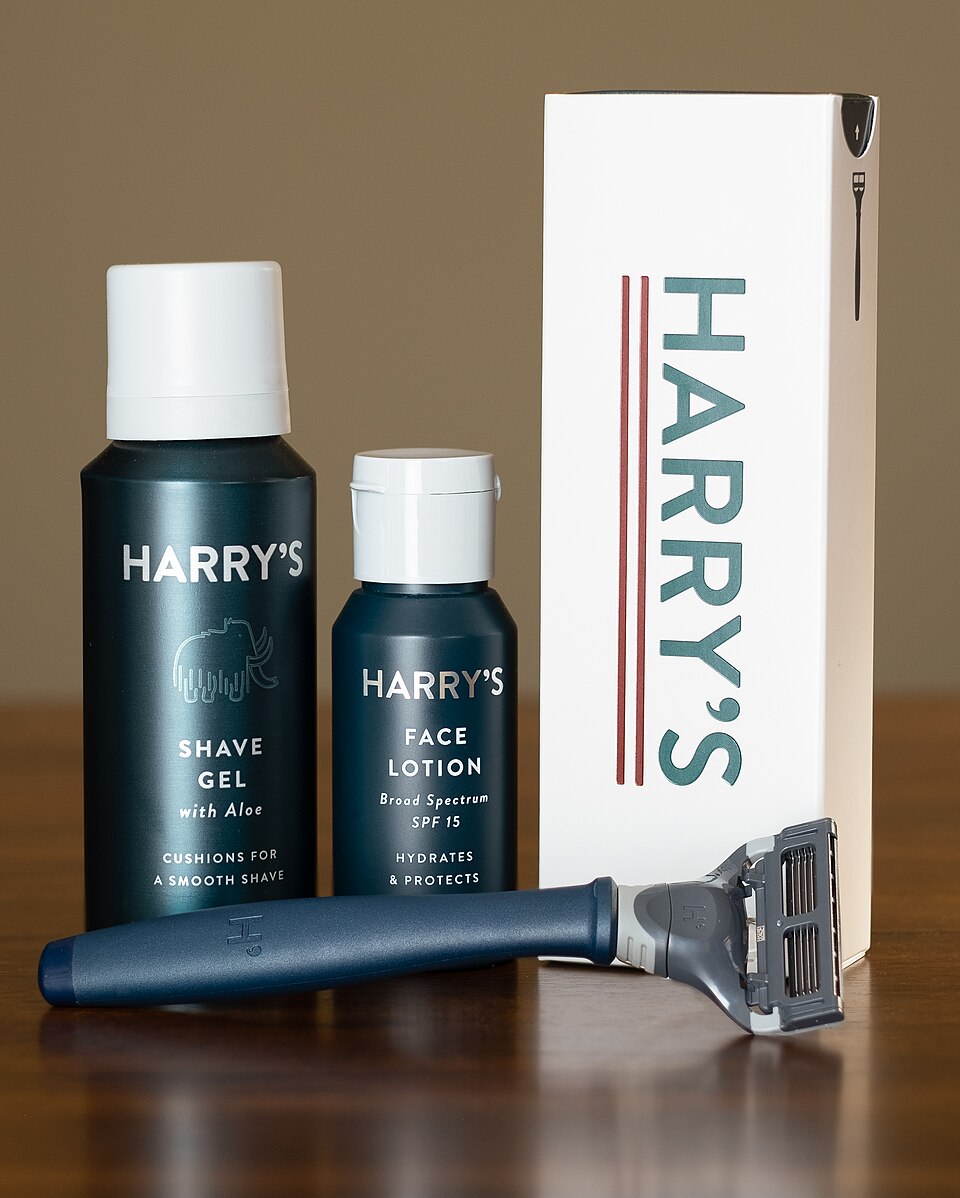
Mammoth Brands, the company behind Harry's razors, Lume Deodorant, and Coterie diapers, is positioning itself as a challenger to legacy consumer packaged goods giants like Procter & Gamble, Unilever, and Kimberly-Clark. And it may soon give public market investors a chance to buy in.
The company is weighing an initial public offering as soon as the second half of this year, according to a Bloomberg report cited by CNBC. Mammoth posted revenue of $835 million in 2024 and nearly $100 million in adjusted earnings before interest, taxes, depreciation and amortization, according to a statement from the company. It has also seen a greater than 20% revenue compound annual growth rate over the five years through 2024.
Co-founder and co-CEO Andy Katz-Mayfield described the company's ambition plainly. "We're trying to build a leading modern [consumer packaged goods] company, like if Procter & Gamble and Unilever were getting built today," he told CNBC.
Mammoth's other co-founder and co-CEO, Jeff Raider, addressed the IPO question carefully. "Today, our private company, we make money, which is great, and we have opportunity to continue to invest in the brands in our portfolio," Raider said. "We'll continue to evaluate the right capital structure for the business over time to enable us to achieve that long-term outcome."
The company traces its origins to 2013, when Katz-Mayfield and Raider founded Harry's. Katz-Mayfield said the idea came from his frustration with the cost of replacement razor blades. "I called up Jeff," Katz-Mayfield said. "We decided to build a men's grooming brand that was a really high quality product at great value, a better overall experience, online led, and I really do think that's really at the core of everything that guides Mammoth Brands." The two had previously worked together at Charlesbank Capital Partners before launching Harry's.
While legacy consumer giants still generate tens of billions of dollars in annual revenue, Mammoth has built a portfolio of brands that have gained traction with both consumers and major retailers. The broader trend has played out across categories, with companies like Poppi and Olipop taking market share from Coca-Cola and PepsiCo in beverages.
Nik Modi, co-head of global consumer and retailer research for RBC Capital Markets, said the big players can no longer afford to dismiss the upstarts. "A lot of these companies call these smaller brands 'ankle biters' — tells you exactly what you need to know about how they view the threat," Modi said. "But I think that they're taking it a lot more seriously. I think it's gotten to a tipping point."
Consumer loyalty, Modi and others suggest, no longer runs on brand recognition alone. Shoppers are increasingly drawn to newcomers that offer better prices, higher quality, or simpler ingredient lists. Mammoth has built its portfolio around exactly that pitch, and if an IPO moves forward in the second half of 2026, a much larger pool of investors will get to weigh in on whether the bet pays off.