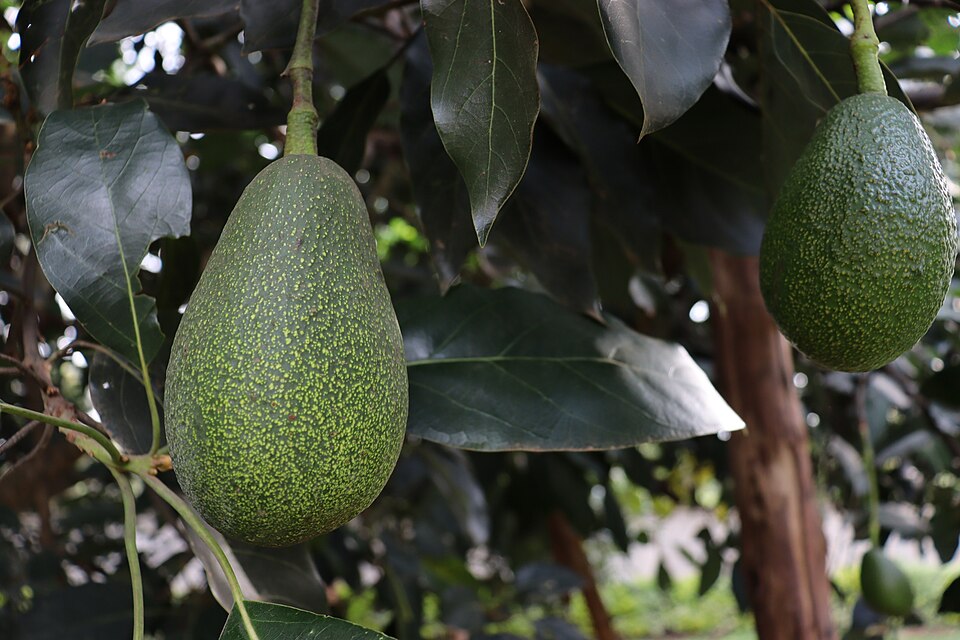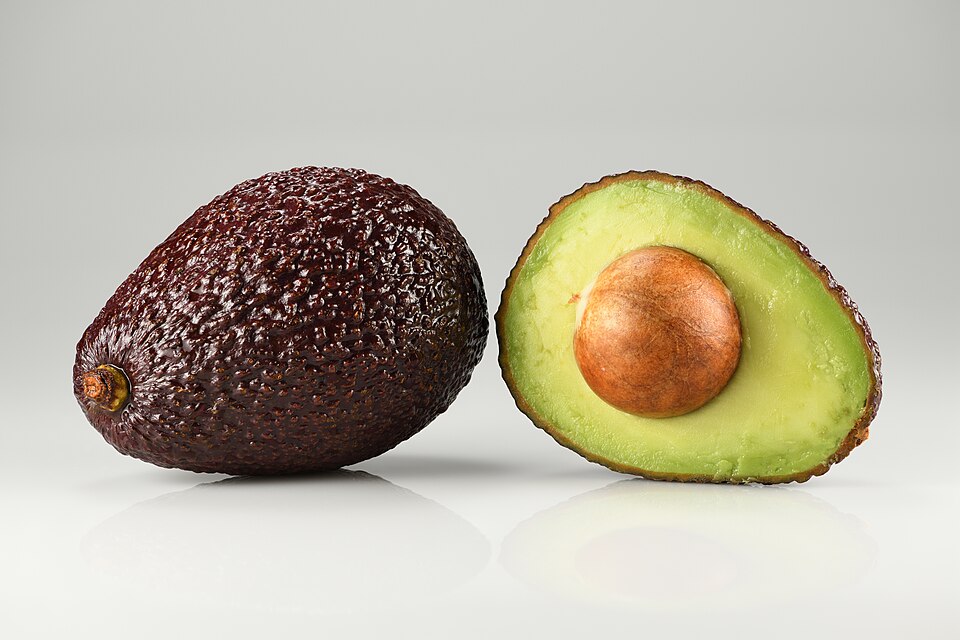
New research suggests that eating avocado daily may lower the risk of diabetes, reduce blood pressure, and improve other measures of heart health. The findings come from multiple recent studies examining how regular avocado consumption affects cardiometabolic health.
According to a report by Healthline, a 2025 study found that females who consumed 30 to 38 grams of avocado per day had a lower risk of diabetes than those who did not eat it. The same association was not found in males. Researchers suggested that lifestyle factors, such as higher rates of smoking among the male participants, or hormonal differences between males and females, may explain the gap.
Registered dietitian Wendy Bazilian, who was not involved in the study, told Healthline in an earlier interview that the results were not surprising. "Given what we know about the nutritional profile of avocados — they have good unsaturated fats, a good source of fiber, and a multitude of vitamins, minerals, and phytonutrients, I'm not surprised to see these findings suggesting that eating avocados may play a role in lower diabetes risk," Bazilian said.
A separate study published in Current Developments in Nutrition found that eating fresh avocado daily may also help improve blood sugar response and reduce other cardiometabolic risk factors. Researchers noted that the amount needed to see potential benefits is relatively small, meaning people do not need to consume large quantities each day.
A third study looked at the combination of avocado and mango. Participants who ate one avocado and one cup of mango each day showed improvements in flow-mediated dilation, a measure of blood vessel function, in as little as eight weeks. Their flow-mediated dilation rose to 6.7 percent, while the control group's fell to 4.6 percent. Among male participants, those in the avocado and mango group saw a reduction in diastolic blood pressure of around 1 mmHg, while those in the control group experienced an average central blood pressure increase of 5 mmHg.
Registered dietitian nutritionist Karen E. Todd, who was not involved in the mango and avocado study, told Healthline in an earlier interview that the findings are promising but should be viewed in context. Todd said that while the findings of the study are promising, it doesn't mean that a mango-avocado combination is a magic bullet.
The studies together suggest that avocado, consumed as part of a regular diet, may contribute to better blood sugar control and cardiovascular outcomes. Researchers continue to examine what specific components of avocado, including its unsaturated fats, fiber content, and micronutrients, drive these effects.