The Cleveland Browns spent years near the top of every expensive roster list in the NFL. That changed this offseason in a significant way.
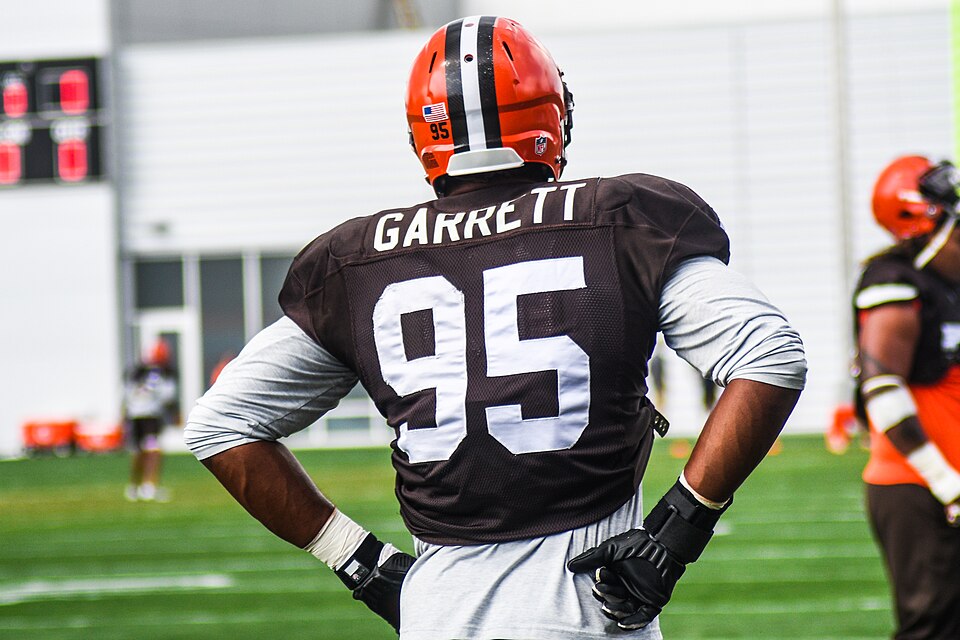
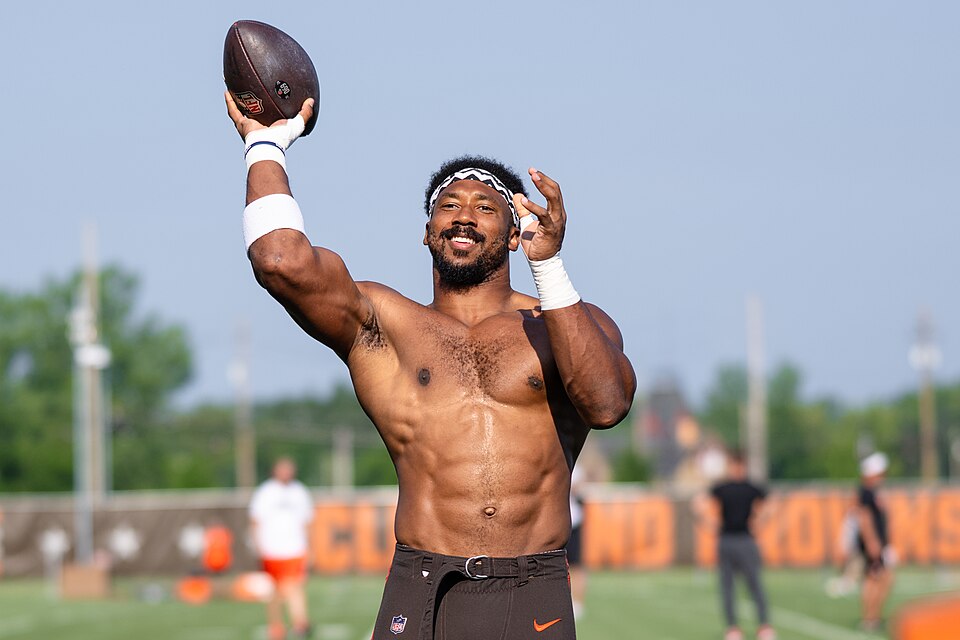
After trading pass rusher Myles Garrett, Cleveland's defensive payroll dropped to $114 million for 2026, according to a report by Yahoo Sports. That figure ranks near the bottom of the league and sits just one spot ahead of the Los Angeles Rams, who carry $110 million on defense. The Pittsburgh Steelers, by comparison, lead the league at $193 million.
General manager Andrew Berry signaled at the start of the offseason that the Browns were going to get younger and cut costs. The Garrett trade was the largest single move toward that goal. Replacing Garrett with Jared Verse represents a drop of several sacks in projected production, but saves the team more than $30 million in 2027 alone.
Berry also indicated this offseason would not involve heavy spending, but that next offseason could be when Cleveland pursues top-tier free agents. For now, the team is building around players still on rookie contracts.
Several young players anchor the rebuilt defense. Mason Graham returns in his second year on the defensive line. Carson Schwesinger, also in year two, projects as a future All-Pro at linebacker. Emmanuel McNeil-Warren and undrafted free agent Ronnie Hickman fill out the third level of the defense, all at rookie contract prices.
The two largest remaining contracts on the Cleveland defense belong to cornerback Denzel Ward and safety Grant Delpit. Both have been core pieces of the Browns defense for nearly a decade. The report notes their time in Cleveland appears to be winding down.
The payroll reduction will likely show up in the win-loss column. The Browns are expected to remain competitive but probably not as dominant as they were during the Garrett years. The shift in spending is a deliberate move to reset the roster and create financial flexibility for future years.
Cleveland's defensive payroll has gone from being one of the highest in the league to one of the lowest in a single offseason. Berry's plan is to build back up from a younger, cheaper foundation rather than continue paying for an aging core.