Oil prices fell Tuesday after President Donald Trump told reporters a deal with Iran could come within days, even as the two countries traded strikes earlier in the week.
U.S. crude oil futures were down 2.9% to $88.64 by 9:42 a.m. ET. Brent futures, the international benchmark, lost 2.5% to $91.86 per barrel, according to CNBC.
Trump told reporters late Monday that a deal to end the war with Iran could come in "two or three days" and the Strait of Hormuz would open "immediately" after an agreement. He has repeatedly said a deal with Tehran to reopen Hormuz is close, but such an agreement still has not materialized.
The week's violence followed a fragile ceasefire put in place in April. Iran launched missiles at Israel in retaliation for Israeli strikes in Lebanon. Israel struck back. Trump pressured Israeli Prime Minister Benjamin Netanyahu to refrain from further attacks. Both Iran and Israel have since said they ceased fire.
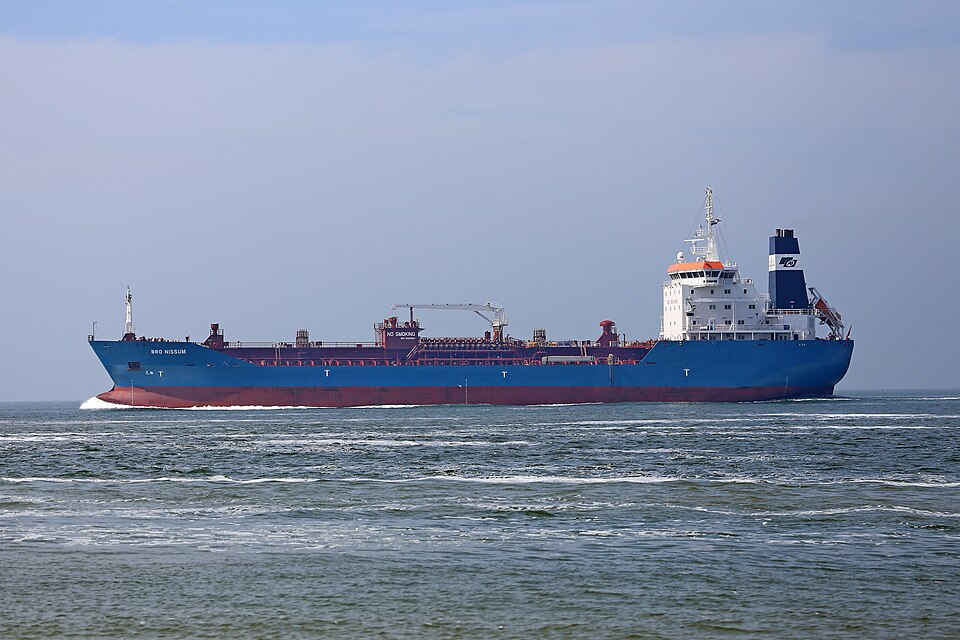
Oil prices have surged about 30% since the U.S. and Israel attacked Iran on Feb. 28. Tehran retaliated by attacking tankers in the Strait of Hormuz and mining the sea lane. Traffic through Hormuz has dropped sharply as a result, triggering what analysts describe as the biggest oil supply disruption in history.
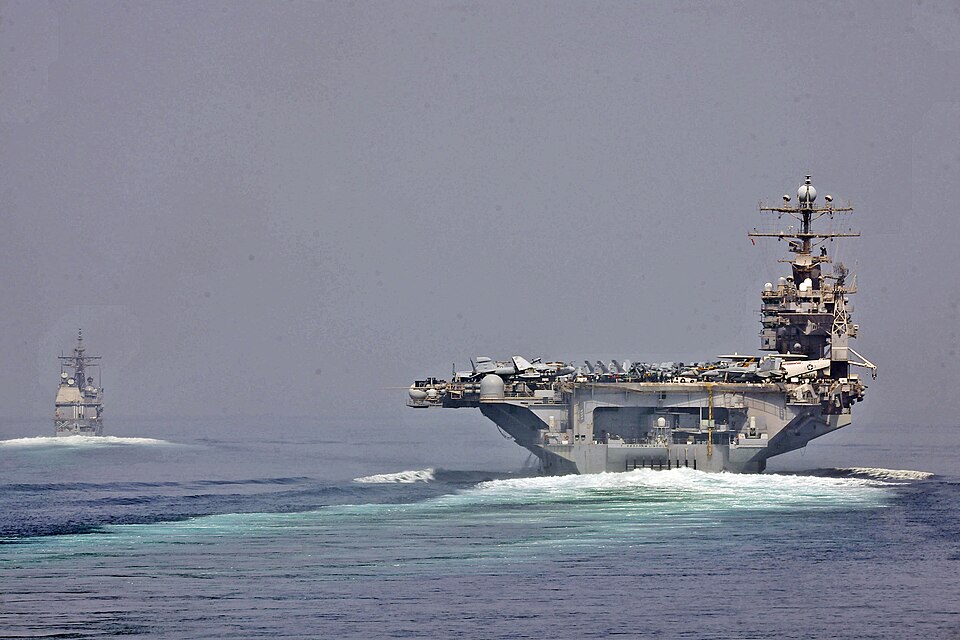
Trump has sought to pressure Iran into a deal by imposing a naval blockade on its ports and vessels.
Oil industry executives and analysts say crude prices have remained moderate compared to the scale of the disruption because of a buffer provided by global stockpiles. But prices will likely spike later this year as those inventories rapidly decline at the same time summer demand hits its peak, they say.
JPMorgan analysts say more oil may be moving through Hormuz than is publicly visible. The bank estimates some 2 million barrels per day might be getting out on tankers that have switched off their transponders. "Despite the ongoing naval blockade and the steep decline in commercial traffic, surprising volumes of crude and petroleum products still appear to be transiting the Strait," JPMorgan analysts said in a June 4 note.
BNP Paribas is now watching the inflation risks tied to energy markets closely. Guneet Dhingra, head of U.S. rates strategy at BNP Paribas, told Bloomberg the firm expects three Federal Reserve rate hikes starting in December, a forecast shaped in part by ongoing inflation pressures in the market.