Most people eat nowhere near enough flavanols to protect their hearts, even when they think they are eating well. That is the finding of a study published in the journal Food and Function, which tracked the diets of 30,000 participants across the United Kingdom and the United States using biomarker measurements.
According to Healthline, the research builds on earlier findings from COSMOS, the largest randomized controlled study on polyphenols ever conducted. That study found that consuming 500 milligrams of flavanols daily lowered the risk of death from cardiovascular disease by up to 27 percent. The new study used COSMOS data to test whether following standard healthy eating guidelines actually gets people to that 500 mg daily target. It then used a separate dataset, EPIC Norfolk, to check the findings against a different population with different eating habits.
The answer, in both cases, was no. Most people fell well short of 500 mg per day, even when following guidance from the Dietary Guidelines for Americans or the United Kingdom's National Health Service Eating Well guide.
Flavanols are naturally occurring compounds found in a range of foods and drinks, including fruits, vegetables, and green tea. The current U.S. dietary guidelines recommend two to three servings of fruits and vegetables per day. The NHS recommends five portions. But the new research suggests that hitting those numbers is not enough on its own, because not all fruits and vegetables contain the same levels of flavanols.
"Flavanols can significantly reduce the risk of dying from cardiovascular disease, but only if you consume enough of them," said Javier Ottaviani, PhD, director of the Core Laboratory of Mars Edge, part of Mars Inc., and lead author of the study, in a press statement.
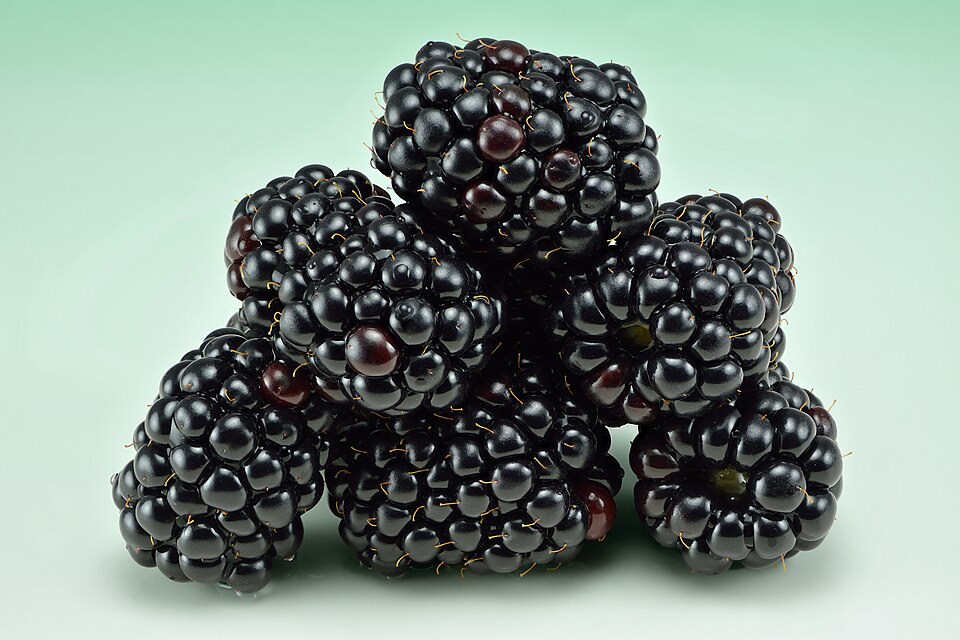
Ottaviani said the specific choices people make within broader food groups matter more than the total volume of produce consumed. "Most people assume that eating plenty of fruit and vegetables covers this, but what this research shows is that the specific choices you make matter far more than the total amount. Including a handful of blackberries, a whole apple, or having a cup of green tea alongside your meal could make a real difference to how much of these beneficial compounds you actually consume and absorb from the diet," Ottaviani continued.
The researchers are not suggesting people avoid lower-flavanol fruits and vegetables. All produce can fit into a healthy diet. But for people concerned about cardiovascular risk, the study points toward regularly choosing higher-flavanol options like berries as a practical step. Blackberries, apples, and green tea were among the specific examples cited in the research as sources that can meaningfully increase daily flavanol intake.
The study does not advise people to abandon general healthy eating guidance. Instead, it suggests that being more deliberate about which fruits and vegetables land on the plate can make a measurable difference in flavanol intake, and potentially in long-term heart health outcomes.