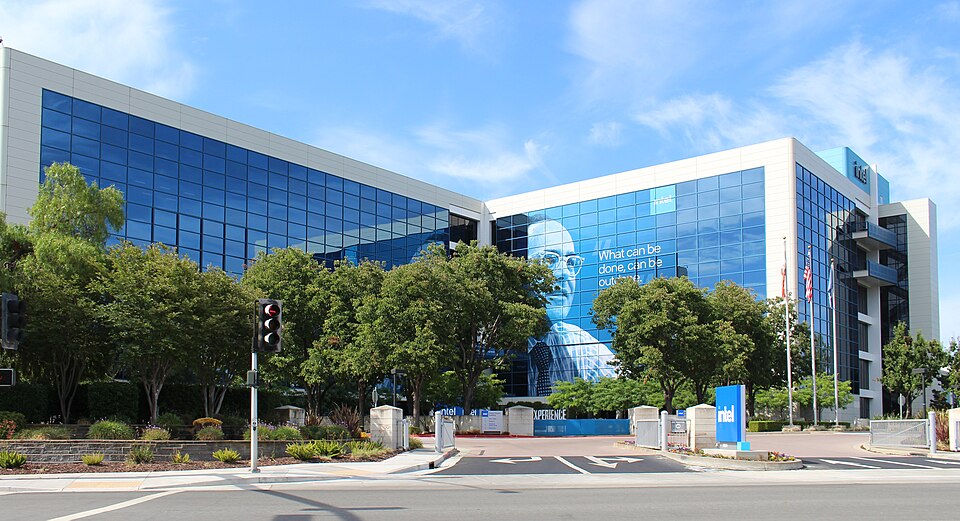
The technology sector has officially entered correction territory, crossing a line that investors and analysts track closely as a signal of deeper trouble in the market. The move came on Wednesday, according to a report by MarketWatch, as a selloff that had been building for more than a week finally reached a threshold that defines a correction.
Micron and Intel were identified as the stocks dragging the sector into this new phase. Both companies are major players in the semiconductor space, which has been one of the most closely watched corners of the tech market over the past several years given its central role in artificial intelligence, computing, and consumer electronics manufacturing.
A market correction is generally defined as a decline of 10 percent or more from a recent peak. The distinction matters because it represents a more serious and sustained pullback than a brief dip. MarketWatch described the situation plainly: the pullback is over, and it is now officially a correction.
Investor anxiety had been rising over the previous week as the tech sector showed signs of strain. Wednesday's trading session pushed that anxiety into a more concrete phase, with the numbers confirming what many had suspected was coming.
Semiconductor stocks have been under particular scrutiny in 2026 as questions grow about the pace of AI-related demand, inventory levels, and the broader impact of trade tensions and inflation on corporate spending. Micron and Intel, as two of the largest names in chips and processors, serve as bellwethers for the entire sector. When they fall hard, the ripple effects tend to spread across technology broadly.
The timing of the correction adds complexity to an already difficult environment for investors. With inflation hitting a three-year high and the Federal Reserve facing pressure from multiple directions, there is less certainty about when monetary conditions might ease. Higher interest rates generally weigh on tech stocks because they reduce the present value of future earnings, which tech companies tend to project far into the future.
Whether the correction will deepen or reverse depends on a range of factors, including upcoming earnings reports, any changes in Federal Reserve policy signals, and how long the broader geopolitical uncertainty tied to the Iran conflict continues to affect markets. MarketWatch noted that the key question for investors now is whether this correction will last.
No major analyst calls or institutional responses were included in the available reporting as of this article's publication.