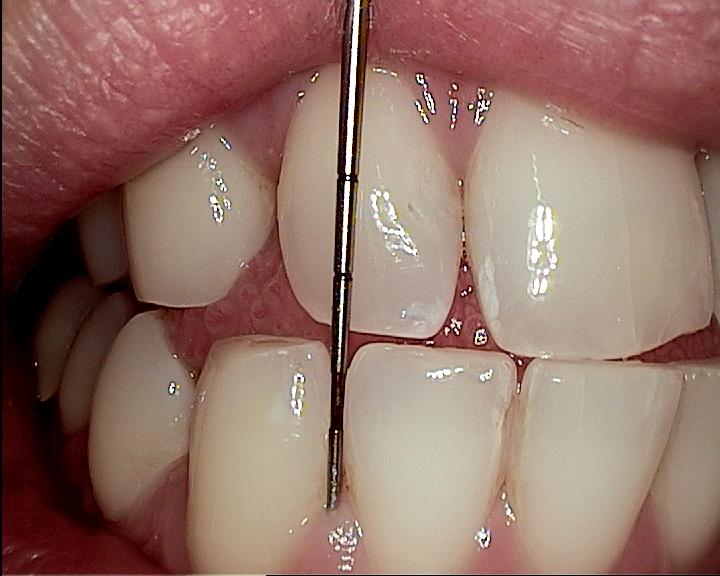
A new study has found that fasting may reduce inflammation associated with gum disease, adding to a growing body of research on how diet and eating patterns affect oral health. According to U.S. News and World Report, researchers examined whether fasting could lower the inflammatory markers linked to periodontitis, the more severe form of gum disease that can damage soft tissue and bone.
Gum disease affects a large portion of the adult population. Periodontitis in particular is linked not just to tooth loss but to broader health consequences, including associations with cardiovascular disease and diabetes. Chronic inflammation is central to how the condition develops and worsens, which is why researchers have been exploring whether interventions that reduce systemic inflammation might also benefit the gums.
The study found that fasting was associated with reduced inflammation in participants who had gum disease. This adds gum disease to the list of inflammatory conditions that researchers are investigating in connection with fasting and time-restricted eating.
The findings build on existing interest in fasting as a way to influence immune and inflammatory responses throughout the body. Earlier research has shown that fasting can lower certain inflammatory markers in the blood. The new data suggest those effects may extend to the oral tissues as well.
Researchers noted that more work is needed before fasting could be recommended as a clinical treatment for gum disease. The study points to a possible connection but does not establish fasting as a replacement for standard dental treatment, which includes professional cleaning, improved oral hygiene, and in some cases medication or surgery.
For patients with gum disease, standard care from a dental provider remains the established approach. The findings do suggest, however, that dietary patterns may play a role in how inflammation in the mouth is managed over time.