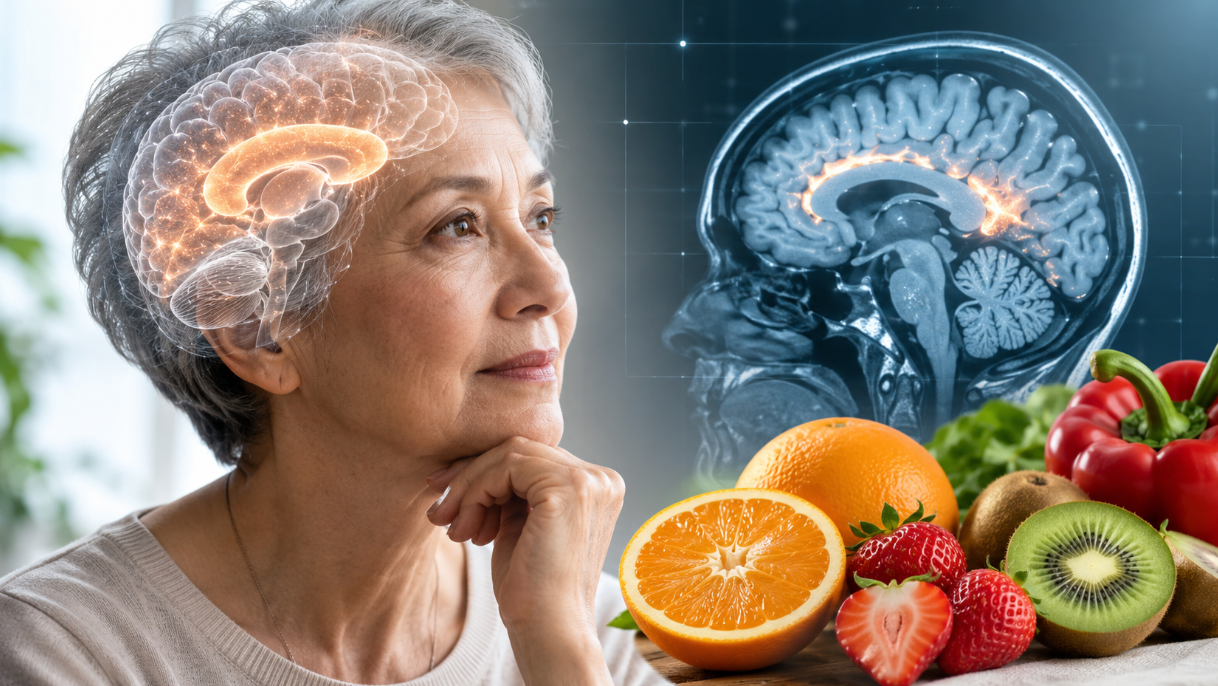
Higher levels of vitamin C in the blood may be connected to greater gray matter volume in the aging brain, according to research reported by Medical News Today. The finding adds to a growing body of evidence suggesting that nutrition plays a measurable role in how the brain holds up over time.
Gray matter is the tissue in the brain that contains most of the neurons responsible for processing information, controlling movement, and regulating emotion and memory. As people age, gray matter volume tends to decline, and that decline is associated with cognitive deterioration and conditions like dementia.
The study examined vitamin C concentrations in participants' blood and compared those levels against brain imaging data. Researchers found that individuals with higher vitamin C levels tended to have more gray matter volume, particularly in regions of the brain associated with memory and higher cognitive function.
Vitamin C is an antioxidant, and researchers have long suspected that its ability to reduce oxidative stress might play a protective role in the brain. Oxidative stress is a process that damages cells, including neurons, and is considered one of the contributors to age-related brain decline. The new findings lend some imaging-based support to that hypothesis.
The study did not establish that taking vitamin C supplements will prevent brain aging or cognitive decline. The relationship observed was between naturally occurring blood levels and brain structure, not between supplementation and outcome. That distinction matters because the two do not always produce the same results in clinical research.
Medical News Today noted that the researchers called for further work to determine whether the relationship is causal or simply correlational. Factors such as diet quality, overall health, and physical activity could all influence both vitamin C levels and brain health simultaneously, making it difficult to isolate the nutrient's specific effect.
Still, the findings are considered notable because they use structural brain imaging to connect a common dietary nutrient to a measurable physical feature of brain aging. Future studies may look at whether dietary interventions or supplementation at specific life stages can influence gray matter preservation over time.