

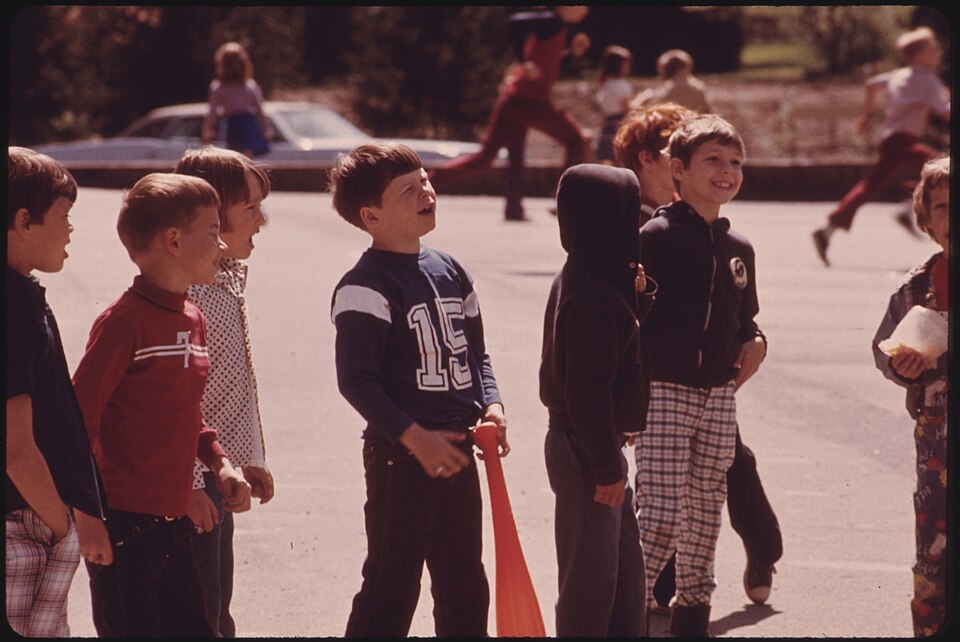
New research is adding to the evidence that recess does more for children than simply give them a break from class. According to CBS News, studies show that unstructured play time during the school day supports both the mental and physical health of kids.
The findings come as schools across the country continue to weigh how much time to allocate to recess versus academic instruction. For many districts, particularly those under pressure to improve test scores, recess has been shortened or cut. The research suggests that decision may come at a cost.
On the physical side, recess gives children an opportunity for movement that many are not getting elsewhere. Regular physical activity during childhood is linked to stronger cardiovascular health, better motor development, and healthier body weight. Brief periods of activity spread throughout the day, such as a recess break, can contribute meaningfully to a child's overall movement totals.
The mental health benefits documented in the research are also notable. Recess gives children time to practice social skills in unstructured settings, manage conflict with peers, and decompress from the cognitive demands of classroom work. Those interactions, even when they involve disagreements or negotiation over games, build skills that structured classroom time does not always provide.
Researchers have pointed to the difference between structured physical education and free play. While both have value, unstructured recess appears to offer distinct benefits tied to autonomy and peer-directed activity. Children choose their own games, form their own groups, and navigate social dynamics without adult direction, which researchers say supports emotional regulation and social development.
The research reported by CBS News adds to a growing body of work that has examined recess not as a reward or a break, but as a component of a child's school day with its own educational and developmental value. Pediatric health organizations have for years recommended that children get adequate time for free play, and this research supports that position.
For parents and school administrators, the findings present a continued case for protecting recess time rather than treating it as optional. The benefits appear to extend well beyond the playground.
