A peace deal between the United States and Iran appeared close Saturday but remained unsigned, with conflicting signals coming from mediators and Iranian officials over timing.
Pakistani Prime Minister Shehbaz Sharif said a finalization was "likely expected in the next 24 hours" and that Pakistan was preparing for "an electronic signing of the peace deal immediately after." But Iran's foreign ministry pushed back. Spokesperson Esmaeil Baghaei told Iranian state-owned IRIB media network, "As for the exact timing of the memorandum's signing, we must wait. Although it will not happen tomorrow, the possibility that it could take place in the coming days cannot be ruled out. However, given the other side's inconsistency, we must remain cautious in making any statements about the process."
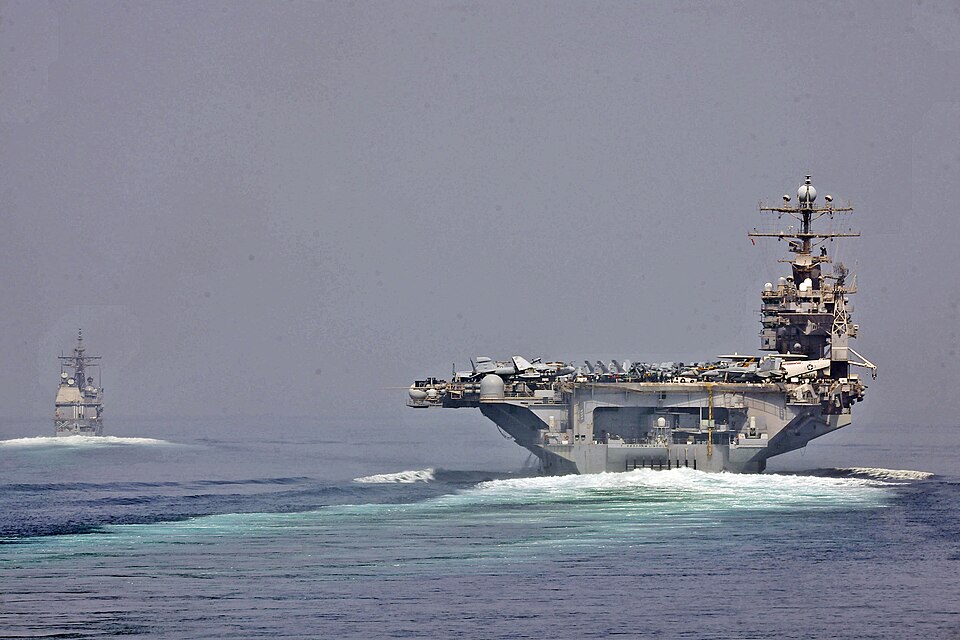
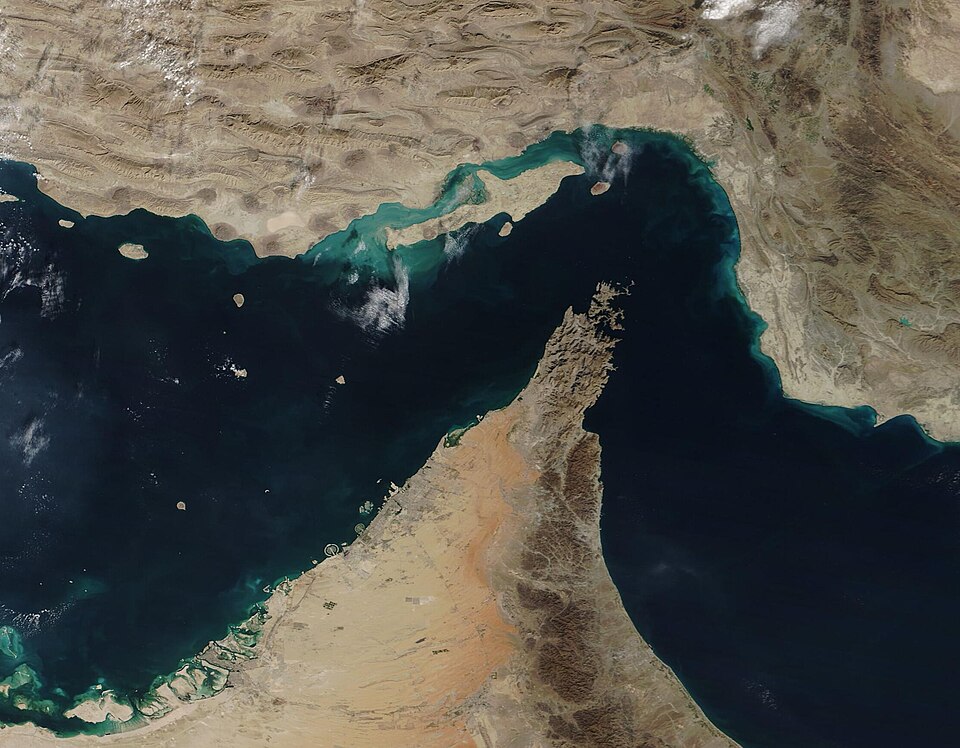
The situation grew more complicated Saturday when the U.S. shot down several Iranian attack drones in the Strait of Hormuz. The drones appeared to be targeting commercial ships. President Trump called the incident "TOTALLY UNACCEPTABLE."
Questions also remain about what Iran has agreed to on the nuclear front. Baghaei said Saturday, "The Islamabad memorandum currently under discussion is focused on ending the war, and at this stage it has been decided that the nuclear issue will not be addressed." However, multiple sources told CBS News that the memorandum of understanding between the two sides lays out that Iran would commit to a lockout of 15 to 20 years, during which it would not enrich uranium and would dismantle its nuclear sites.
Also Saturday, tensions over a separate incident surfaced between the U.S. and India. Earlier in the week, the U.S. opened fire on the engine room of the oil tanker M/T Settebello, killing three Indian nationals. U.S. Central Command said the vessel had ignored repeated commands to turn back from the U.S. blockade on the Strait of Hormuz. Secretary of State Marco Rubio spoke with Indian External Affairs Minister Subrahmanyam Jaishankar about the strike.
Iran announced separately that the funeral for former Supreme Leader Ali Khamenei will begin in Tehran on July 4, according to Al Jazeera. Khamenei, 86, was killed in a joint U.S.-Israeli air strike on his compound in February. Three days of funeral ceremonies in Tehran will be followed by a ceremony in the holy city of Qom on July 7, with burial in his hometown of Mashhad on July 9. The burial had initially been scheduled for March but was postponed as the war dragged on.
Khamenei led Iran from 1989 following the death of Ayatollah Ruhollah Khomeini. His successor and son, Mojtaba Khamenei, has remained out of public view since the war began, though Secretary of State Rubio said earlier this month that Mojtaba appeared to be taking a more active role as negotiations continue following an April 8 truce.