A first-of-its-kind law in New York could require 3D printers sold for homes and businesses to come equipped with technology that blocks them from making guns. California is considering similar legislation, according to ABC News.
The laws attempt to stop the production of untraceable firearms, often called ghost guns, that lack serial numbers and bypass the background checks required when buying from federally licensed dealers. What makes this approach different from existing gun laws is that it targets the equipment used to make the firearms rather than the people who make them.
About one-third of U.S. states have already taken steps to ban or regulate build-it-yourself firearms. The New York and California efforts could set industry standards for 3D printers nationwide and serve as a model for other states.
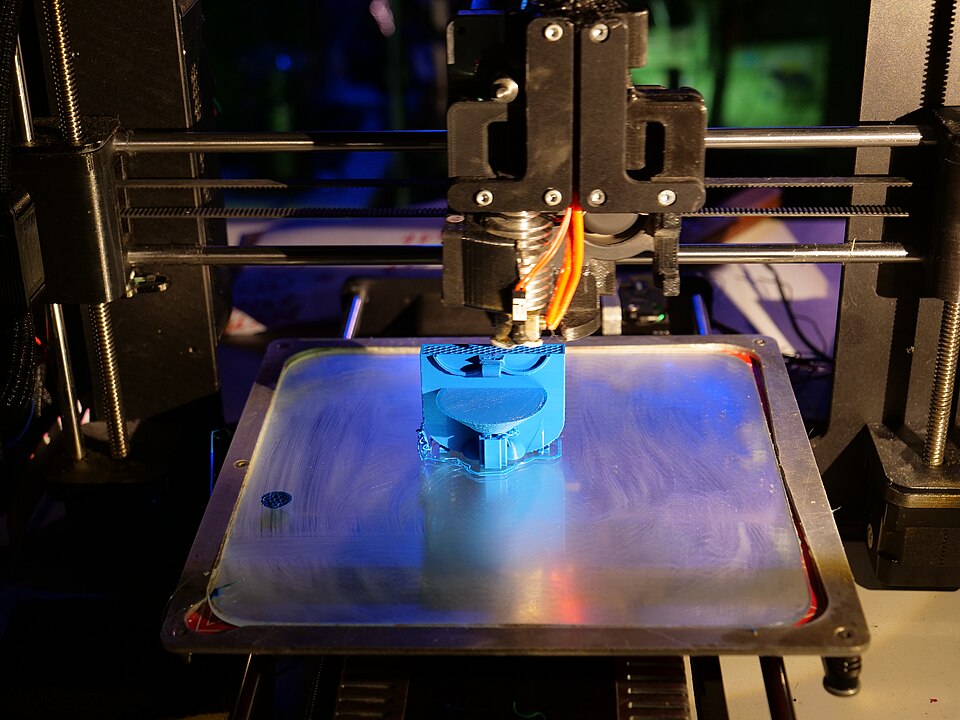
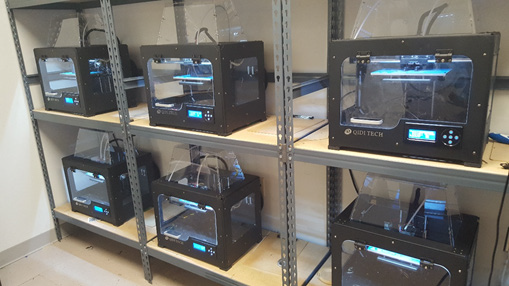
Three-dimensional printers have grown dramatically in availability and use. Since 2012, the number of 3D printers worldwide has grown from an estimated 30,000 to over 3 million, while the industry's value has risen from around $2 billion to $26 billion annually, said Bill Decker, executive chairman of the Association of 3D Printing. Some printers now sell for a few hundred dollars. The devices can produce toys, prosthetic limbs, and airplane parts. They can also produce firearms or the parts needed to assemble them, using digital designs available online.
Firearms made with 3D printers are increasingly turning up in crimes. The number of privately made guns recovered in crimes and submitted to federal authorities rose from about 1,600 in 2017 to nearly 27,500 in 2023, according to a U.S. Department of Justice report released last year. In a high-profile New York case, police said a 3D-printed gun was likely used to kill UnitedHealthcare's CEO in 2024.
The New York law, signed last month, and the California bill both would direct panels of experts to develop standards for firearm blueprint detection. The technology would analyze every design submitted for 3D printing and compare it against a digital library of known firearm components. Questions remain about whether the detection technology can work reliably, and critics have raised concerns about effects on personal privacy and constitutional rights.