Taisie Seigrist was 10 years old when she came home from school one afternoon and drank five glasses of water back to back. Her mother, Jennifer, borrowed a glucose meter from a family member and tested her blood sugar. The reading came back at 684 mg/dL, a dangerously high level.
"We called our doctor, and he said go straight to the children's hospital, so we did, and we were there for about a week," Jennifer told Healthline. Doctors diagnosed Taisie with type 1 diabetes in 2021.
For the next several years, Taisie managed her condition with a continuous glucose monitor and mealtime injected insulin shots, sometimes as many as seven per day. Because she had little body fat, she had to keep returning to the same injection sites. "Taking shots really hurt, especially doing it in the same place," Taisie said. The shots also carried a timing problem. Injected rapid-acting insulin takes about 15 minutes to start working and stays in the body for 2 to 3 hours. If her blood sugar needed correcting right before a race during track or cross-country, she had to sit out. "It kept her from being able to participate at certain times," her mother said.
The social side was hard too. In elementary school, classmates accused her of taking insulin shots for attention, making an already difficult condition feel more isolating.
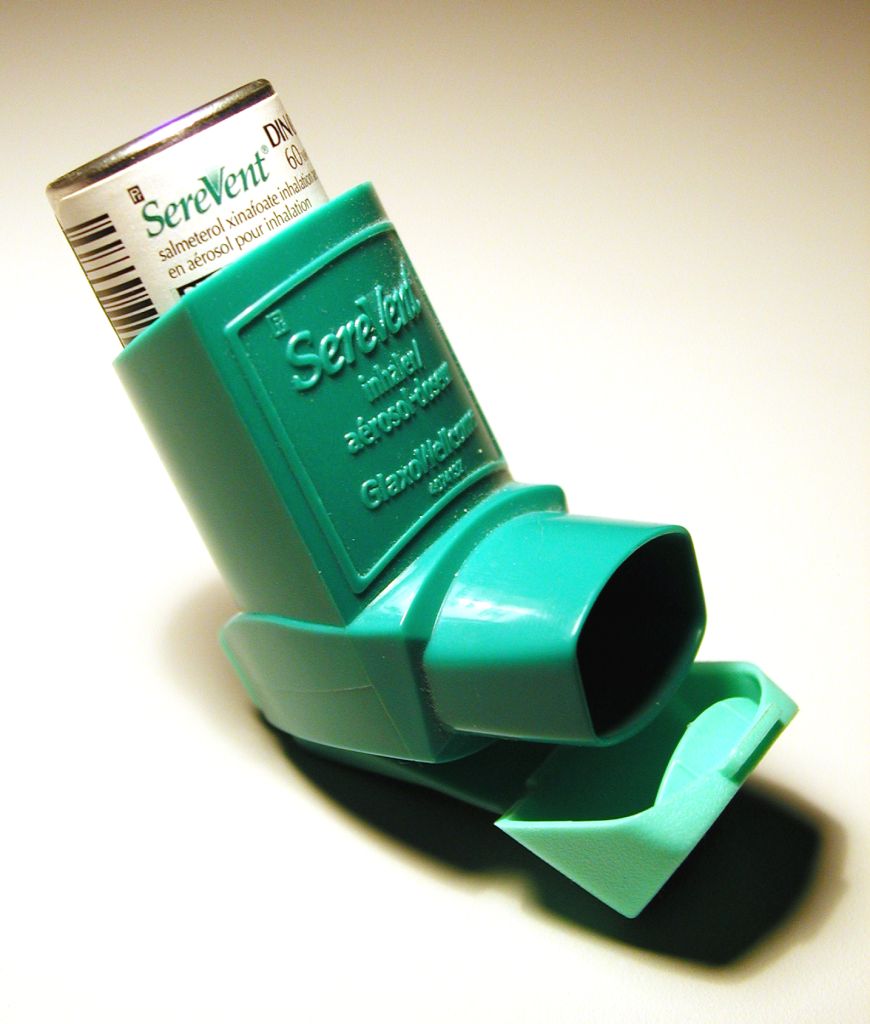
According to a report by Healthline, the FDA has now approved Afrezza, an inhaled insulin, for children and adolescents. In 2024, during a routine appointment, Taisie's endocrinologist asked if she wanted to take part in a clinical trial for the drug. She joined, and at 15 years old she describes the experience as life-changing.
Michael Glazier, MD, Chief Medical Officer at Bluebird Kids Health, said mealtime insulin is challenging for anyone living with diabetes, but the difficulty is greater for younger patients. Varying schedules, feelings of denial and rebellion, and the embarrassment of injecting in front of peers all add to the problem. "It is unfortunately obviously easier to 'skip' a mealtime dose than to give one, and this inevitably leads to less time their blood sugars are in the desired range and more complications as they age," Glazier told Healthline.
Jennifer said a pump was never a realistic option for their family. "A pump wasn't really a good option for us because of our lifestyles," she said. For the first two years after the diagnosis, she administered every mealtime shot herself before Taisie began doing them on her own.
Afrezza delivers insulin through inhalation rather than injection, removing the needle from the equation entirely. For a teenager who ran track and cross-country and sat through a full school day, the change in how and when insulin could be taken was direct and immediate. The approval opens that option to other children and adolescents managing diabetes across the country.
Taisie is now 15 and still running.