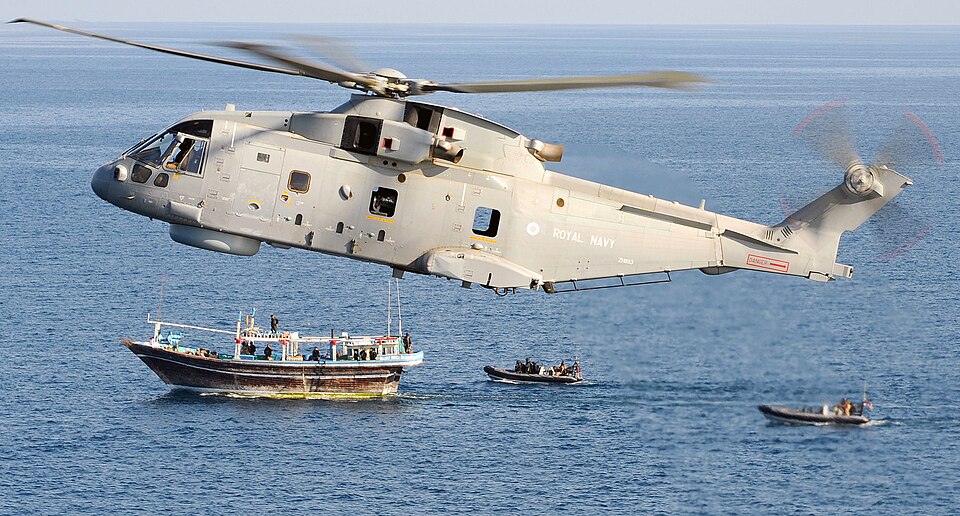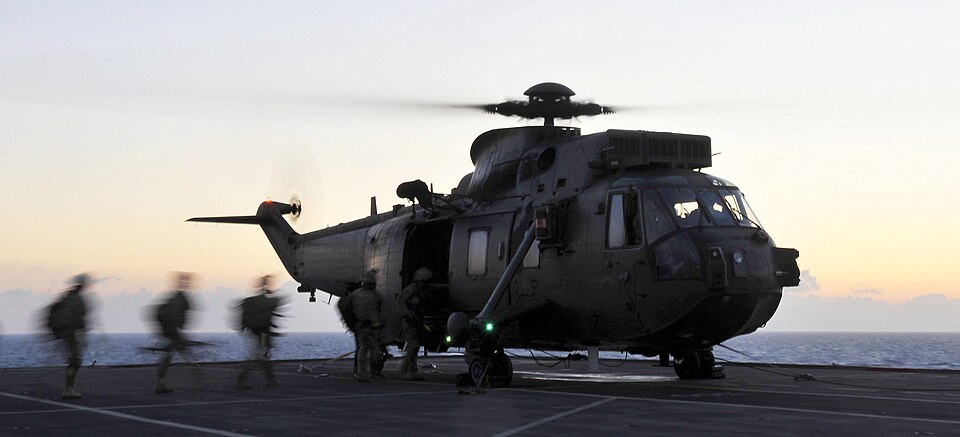
Royal Marine Commandos boarded a Russian shadow fleet oil tanker in the English Channel in the early hours of Sunday morning in what the Ministry of Defence described as the first operation of its kind by UK armed forces.
The six-hour operation targeted the vessel Smyrtos. Marines were joined by National Crime Agency officers, with support from the RAF. Personnel were seen in MoD video footage boarding the vessel by fast-roping from a helicopter. Further footage showed them searching cabins while NCA officers inspected paperwork aboard the ship.
The Smyrtos will be held and monitored off the south coast of England as investigations continue, the MoD said.
Prime Minister Sir Keir Starmer responded to the operation directly. "This successful operation delivers yet another blow to Russia and reminds those fuelling Putin's war in Ukraine that we will not let them hide," he said.
There was no immediate response from Moscow. Russia has previously described similar interceptions as illegal and "bordering on international piracy," according to BBC reporting.
According to tracking website MarineTraffic, the Smyrtos sails under a Cameroon flag and was anchored off the coast of Weymouth in the English Channel. BBC Verify found the vessel began its journey on June 5 from Russia's Ust-Luga port, an oil terminal near St. Petersburg, before crossing west into the channel on Saturday. The vessel was sanctioned in July 2025 and has since changed its name from Myrtos to Smyrtos, as well as the flag it sails under, twice.
The MoD said Russia operates a shadow fleet of more than 700 vessels responsible for carrying 75 percent of Russia's sanctioned oil exports, providing what the ministry called a critical lifeline for the Kremlin. The UK has sanctioned more than 500 vessels. Those sanctions ban the ships from entering UK ports and prohibit British firms and individuals from providing financial, insurance, or brokerage services to vessels that supply or deliver Russian oil.
The MoD said the boarding took place in international waters, more than 12 nautical miles from the UK coast, and was in full compliance with both domestic and international law. The interception was the result of weeks of military and political planning, an MoD spokesman said.
In March, Starmer announced that British armed forces were "now able to board sanctioned vessels that are passing through our waters."
The operation came after a turbulent week for the government's defence plans. Defence Secretary John Healey resigned on Thursday, warning that the level of military spending proposed by Starmer "falls well short" of what is needed to protect the UK. Armed forces minister Al Carns also resigned, telling the prime minister that the government's Defence Investment Plan was "neither transformative enough nor sufficiently funded."