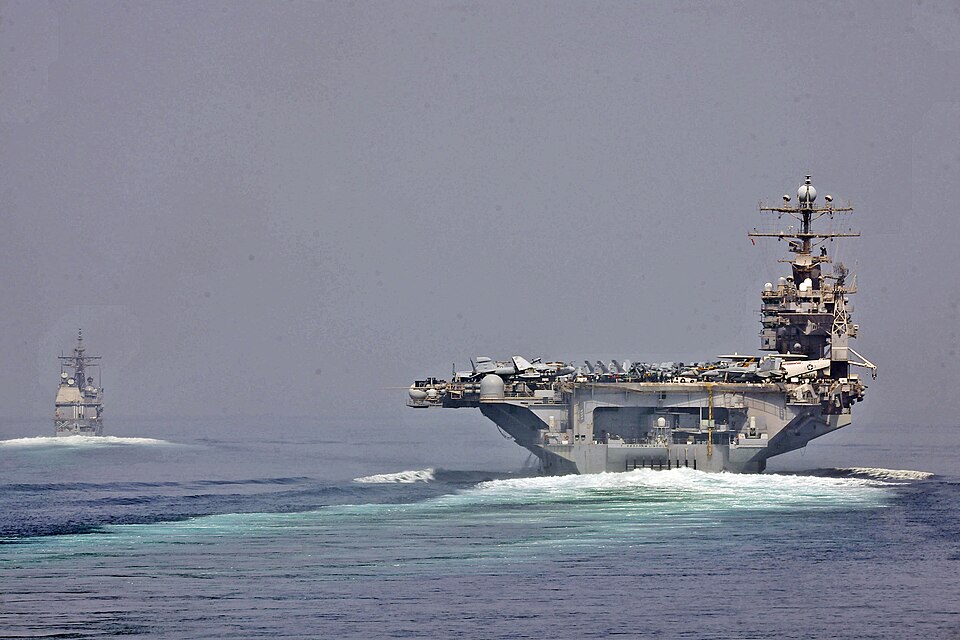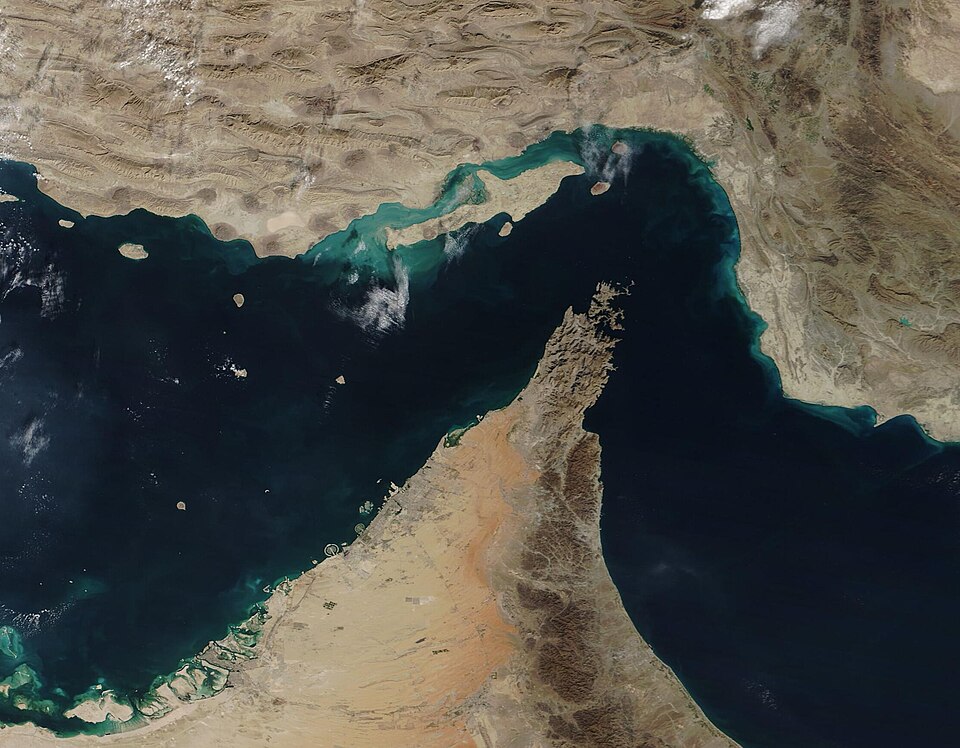
Vice President JD Vance said Monday the United States expects the Strait of Hormuz to remain open without tolls for the long term, but the global shipping industry is not yet convinced the route is safe.
"Our expectation is that the strait is going to be opened in a toll-free way for the long term, and that's the sort of thing that we're going to figure out in these technical negotiations," Vance told CNBC's Squawk Box.
According to CNBC, Iranian state media reported that Hormuz will open to toll-free transits for a 60-day period. After that window, Iran and Oman will manage the strait together, according to Iran's Tasnim news agency. The U.S. and Iran are expected to sign a formal agreement on Friday in Switzerland. President Donald Trump has said the deal opens Hormuz without tolls in exchange for the United States ending its naval blockade against Iran.
Oil prices fell sharply on the news. MarketWatch reported that West Texas Intermediate and Brent crude both dropped to three-month lows following the announcement of the ceasefire framework.
Vance said ship traffic through Hormuz had already increased in the 24 hours before his interview, though CNBC noted it could not immediately verify that claim.
Lars Barstad, CEO of oil tanker company Frontline, told CNBC he believes vessels will start moving quickly once a deal is signed. But he added that he would have wanted clearer terms. Frontline operates a fleet of 80 ships worldwide and currently has five tankers stuck in the Persian Gulf.
The global shipping trade group Bimco was more direct about its concerns. The organization warned that statements from both the U.S. and Iran lack sufficient detail on timing and safe transit routes.
"Due to lack of details and a history of overly optimistic reassurances, we believe the security situation for the shipping industry remains volatile, and we still consider it very risky for ships to commence transits at this point," said Jakob Larsen, the chief safety and security officer at Bimco.
Larsen identified mines as a particular danger. Earlier this month, Secretary of State Marco Rubio told Congress that Iran had mined large segments of the strait. That threat has not been addressed in public statements about the deal so far.
The gap between the White House's confidence and the shipping industry's hesitation reflects the unresolved details that will be the focus of technical negotiations in the days before the Friday signing. Until those details are public, major carriers appear likely to hold their ships in place.