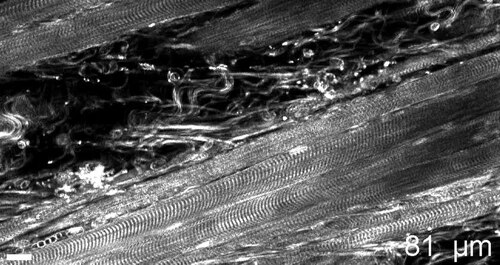
A muscle protein may play a significant role in how the body maintains strength with age, according to a study reported by Fox News. Researchers identified the protein as a potential target for understanding and possibly addressing age-related muscle decline.
Muscle loss with aging, a condition known as sarcopenia, is a major contributor to falls, reduced mobility, and loss of independence in older adults. It typically begins in a person's 30s and accelerates after 60. Sarcopenia affects an estimated 10 to 30 percent of older adults worldwide, depending on the population and how the condition is measured.
The study focused on a specific protein found within muscle tissue. Researchers suggested this protein may be connected to the mechanisms that regulate how muscle fibers grow, repair, and maintain their function over time. A decline or disruption in this protein's activity could contribute to the deterioration of muscle mass and strength that comes with age.
The findings add to a growing body of research aimed at understanding muscle aging at the molecular level. Scientists have known for years that muscle loss involves changes at the cellular level, including reduced ability of muscle stem cells to regenerate tissue, decreased protein synthesis, and changes in how cells respond to physical activity and nutrition. Identifying specific proteins that mediate these processes could open pathways for targeted interventions.
Exercise, particularly resistance training, remains the most well-established method for slowing age-related muscle loss. Adequate protein intake, especially from high-quality sources, also plays a documented role. But researchers are looking for biological targets that might explain why some people lose muscle faster than others, even with similar activity levels and diets.
The new protein identified in the study could become one such target. If future research confirms its role, it could eventually inform the development of therapies or diagnostic tools to assess who is most at risk for significant muscle decline.
The study does not yet suggest any clinical applications. Researchers typically call for further work to confirm findings in larger and more diverse populations before conclusions can be applied to treatment. Still, the identification of a specific protein connected to muscle aging represents a concrete step in understanding why the body weakens over time and what might be done about it.