A major new scientific report released June 16, 2026 finds that artificial intelligence and digital tools are reshaping efforts to track and protect plant and fungal species around the world, including exposing extinctions that had gone undetected until now.
The sixth State of the World's Plants and Fungi report, published in New Phytologist, brings together more than 400 scientists from 40 countries. According to a report by Phys.org, the findings argue that technology can serve as a direct ally to nature conservation by exposing critical gaps in scientific knowledge and identifying where action is most urgently needed.
Plants and fungi are foundational to life on Earth. They regulate climate, store carbon, and supply food and medicine. But the report warns that without reliable data on what species exist, where they live, and how a changing climate affects them, conservation efforts risk overlooking the most vulnerable species. It also warns that opportunities to find new medicines and develop sustainable food crops could be lost.
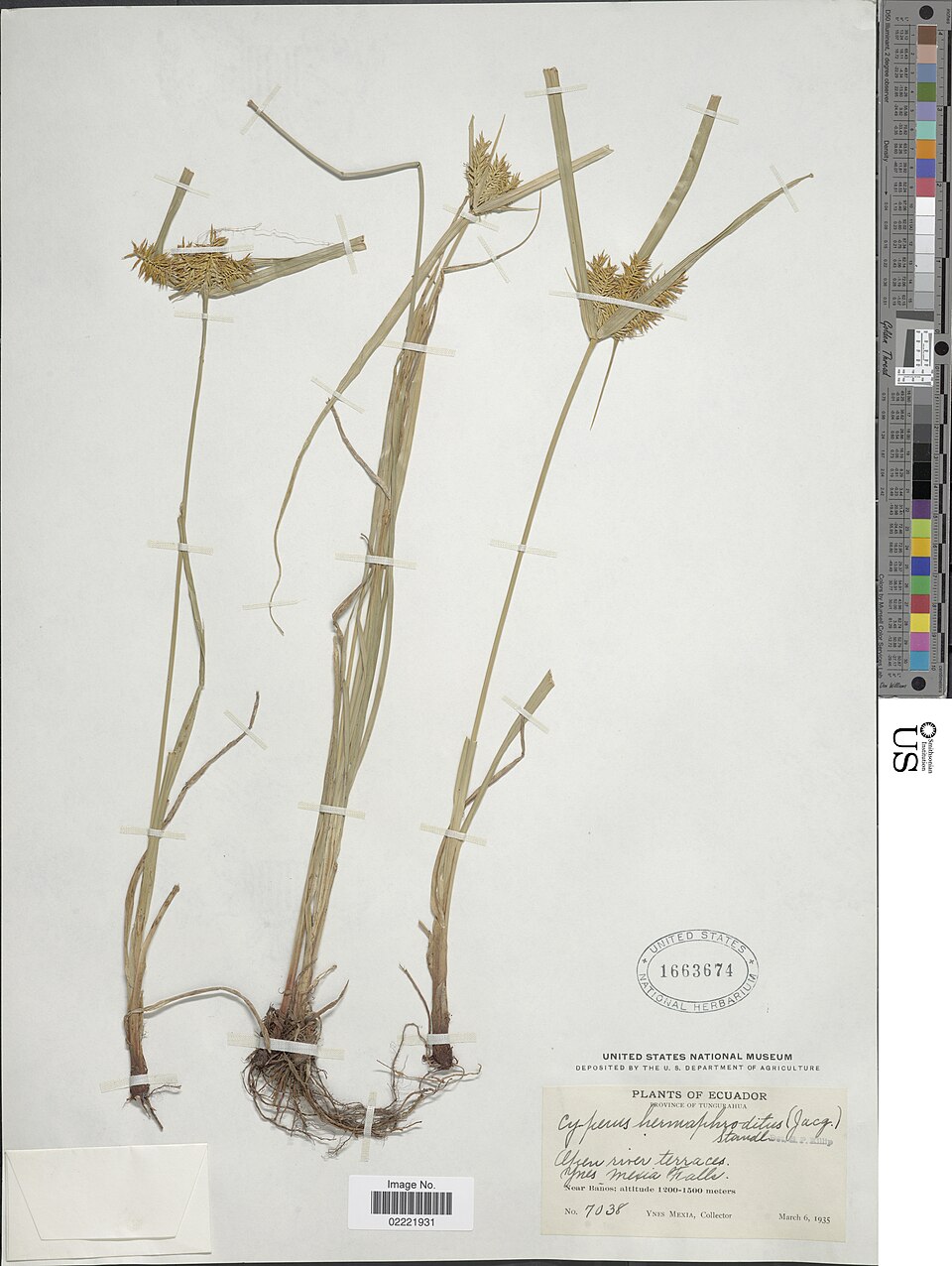
For centuries, scientists have collected plant and fungal specimens from around the world, pressing, drying, and labeling them for storage. Those physical collections have historically been difficult to access. Digitization is now changing that. Millions of specimens are being scanned and analyzed at a scale that was not previously possible, allowing researchers to work remotely, correct misidentified species, and find biodiversity that was previously invisible in the data.
One concrete example comes from Costa Rica, where researchers increased the country's known fungal diversity by nearly 20 percent by combining published records with digitized collections. That work also produced new insights into how climate influences fungal distribution and established baselines for future research.
AI is also being trained to identify plant species that are difficult to distinguish by eye. Sedges and peat mosses, for instance, have microscopic features that make them hard to classify. AI systems can learn to recognize those features, helping taxonomists work faster and identify which species may be at risk.
Professor Alexandre Antonelli, executive director of science at RBG Kew, described the moment as a turning point. "This report provides an incredibly rich and exciting preview of the future of plants and fungi. Scientists, practitioners and anyone with a keen interest in biodiversity are now being equipped with unprecedented data and tools to learn and contribute in ways that are faster, better and more impactful than ever before," he said.
Antonelli added that the reach of digitization extends beyond any single country or institution. "The digital revolution is breaking down the barriers of physical distance and access, catalyzing more equitable collaboration at a truly global level. While documenting and protecting all life on Earth remain formidable challenges, digitization and accompanying technologies make me increasingly hopeful that we'll succeed," he said.
The report is the sixth in a series that began ten years ago with Kew's inaugural State of the World report. The latest edition represents the largest collaboration yet in the series and marks what the authors describe as a significant shift in the tools available to scientists working on biodiversity and conservation.