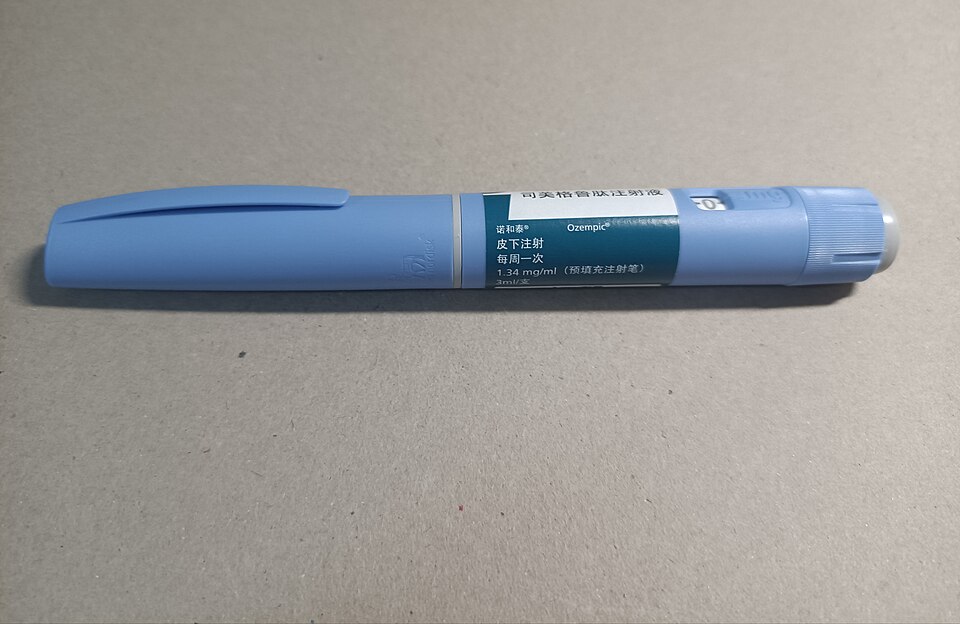
People taking GLP-1 medications like Ozempic, Wegovy, or Mounjaro may face heightened health risks as temperatures rise, particularly around dehydration and low blood pressure.
According to Healthline, GLP-1 medications suppress the body's natural thirst cues, which means users drink less fluid than they otherwise would. The drugs can also delay stomach emptying and cause nausea, which may further reduce fluid intake. The Food and Drug Administration has warned that severe dehydration from GLP-1 drugs may raise the risk of kidney injury and damage.
Clare Thompson, a general practitioner and lead of weight management services at Cadogan Clinic in the United Kingdom, described the added risk that summer heat creates for these patients.
"GLP-1 medications suppress your natural thirst cues, which means you naturally drink less fluid," Thompson said. "They can also delay stomach emptying and cause nausea, which may result in drinking less fluid."
Heat compounds the problem. Sweating causes the body to lose additional fluids on top of what is already reduced by the medication. Thompson also noted that GLP-1 drugs appear to lower blood pressure in some patients, which can lead to dizzy spells and fainting.
"This slight lowering of blood pressure can sometimes be beneficial in people with hypertension," Thompson said. "However, in patients with pre-existing normal to low blood pressure, special consideration must be taken to ensure their pressure doesn't drop to dangerously low levels."
Signs of dehydration that patients should watch for include altered mental status or poor concentration, fatigue, low urine output, darker-colored urine, dry skin and cracked lips, decreased skin elasticity, headaches, dizziness or lightheadedness, heart palpitations, and low blood pressure.
Thompson offered specific steps patients can take to reduce their risk. She advised drinking electrolytes instead of plain water to replenish the sugar and salts needed to maintain hydration and bodily functions. She recommended aiming for 1.5 to 2 liters of fluids per day and suggested setting a phone reminder to prompt regular drinking. She also advised cutting back on alcohol and caffeinated drinks, which act as diuretics and cause further fluid loss.
Because heat itself suppresses appetite, Thompson noted that having smaller, protein-rich foods can help stabilize blood sugar and prevent the effects of low blood glucose and feeling faint.
Proper storage of GLP-1 medications is also a concern during hot weather. Heat can damage the medication and render it ineffective, making careful storage an additional consideration for users during summer months.