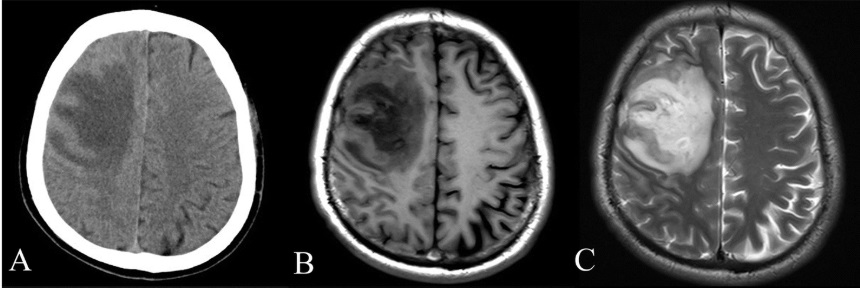
Mental health problems are widespread among people who survive encephalitis, a form of brain inflammation that can result from infection or an immune system malfunction, according to a study reported by News-Medical. Researchers found that psychiatric conditions including anxiety and depression appear frequently in survivors, even after the acute phase of the illness has passed.
Encephalitis occurs when the brain becomes inflamed, most often due to a viral infection or an autoimmune response in which the body mistakenly attacks brain tissue. The condition can cause seizures, confusion, memory loss, and personality changes during the acute phase. While some patients recover substantial function, the disease can leave lasting effects that are not always visible from the outside.
The study focused on what happens to survivors in the months and years following their initial illness and hospitalization. Researchers found that mental health conditions are not rare or isolated outcomes but are instead common among this population. Depression and anxiety were among the most frequently identified problems, but the study found a broader range of psychiatric difficulties affecting survivors.
The findings add to a growing body of evidence that brain inflammation can have long-term consequences for mental health, not just for physical neurological function. Encephalitis can disrupt the structure and chemistry of the brain in ways that affect mood, cognition, and behavior well after the infection or immune event that caused it has been resolved.
For many survivors, the mental health effects of encephalitis may go unrecognized or untreated, particularly if their medical follow-up focuses primarily on physical and neurological recovery. The study suggests that psychiatric screening and mental health support should be considered a standard part of care for encephalitis survivors.
News-Medical reported that the research draws attention to a gap between the medical community's understanding of encephalitis as a physical illness and the broader psychological burden it places on patients after discharge. Survivors may appear to have recovered from the perspective of neurological testing but continue to struggle with depression, anxiety, and other conditions that affect daily functioning and quality of life.
The study points to a need for long-term follow-up care that addresses mental health alongside physical rehabilitation for people who have experienced encephalitis.