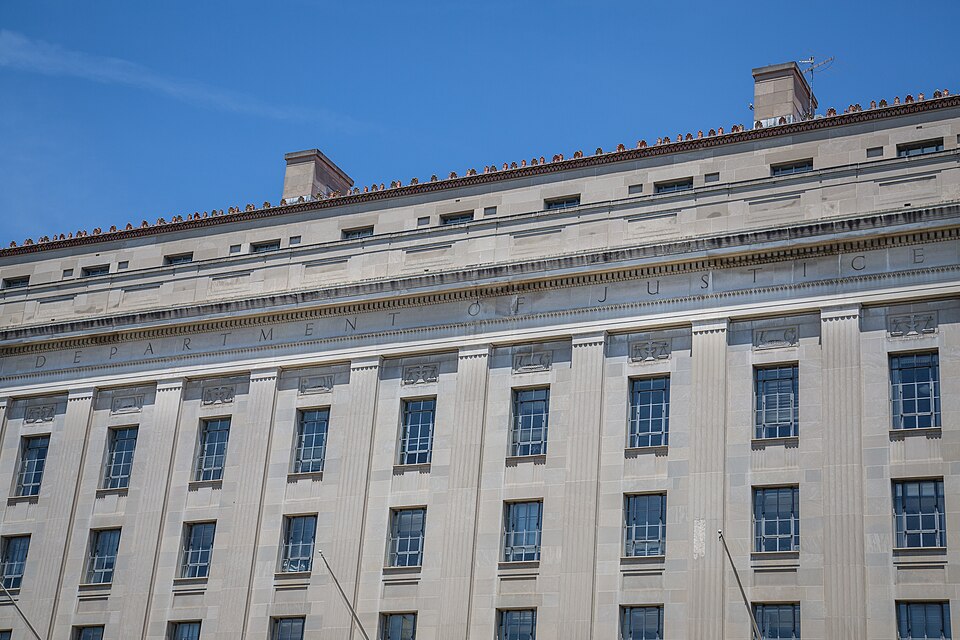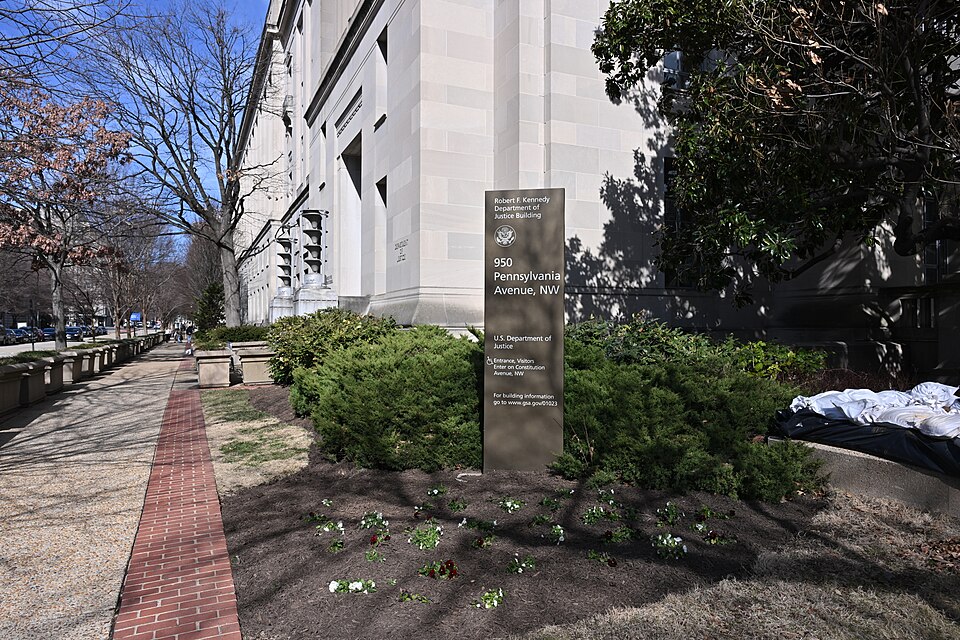
The Department of Justice told a federal court Friday it would not put in writing that it is abandoning its $1.8 billion anti-weaponization fund, calling such a request unnecessary and constitutionally problematic.
Judge Leonie Brinkema had extended her block on the fund last week and gave Acting Attorney General Todd Blanche and Treasury Secretary Scott Bessent one week to file written, sworn declarations confirming the fund would not move forward. She said verbal assurances from DOJ leadership were not enough.
According to CNBC, the fund was designed to compensate people who claimed to be victims of prosecutorial overreach during the Biden administration. Brinkema's continued block came after President Donald Trump publicly said he wanted to move forward with it, which she cited as reason to doubt earlier DOJ statements.
DOJ attorney Andrew Block pushed back in the Friday filing, pointing to a record of prior statements. "The Acting Attorney General has testified before Congress that the Fund is 'not going forward, period'... Undersigned counsel have twice signed briefs reaffirming that 'the Fund is not going forward,' and counsel for Defendants has twice said substantially the same thing in open court," Block wrote.
Block added that those statements carried weight. "All these statements were made against the backdrop of serious penalties for falsity," he wrote.
Blanche had testified before a House panel that the fund was not moving forward, but he did not make that claim under penalty of perjury. After his testimony, Trump's public statement supporting the fund gave Brinkema reason to push for something more binding than a congressional hearing appearance.
The DOJ also posted on X Friday afternoon, reiterating its position and pushing back against what it described as judicial overreach. "In essence, the judge's demand for declarations was an attempt to require her to personally sign-off on any and all future settlements, separate from this non-existent Fund, that the department may make," the department wrote. "Judges do not get to insert themselves into the department's routine settlement authority."
The fund was announced in May as part of a settlement of Trump's $10 billion lawsuit against the Internal Revenue Service. That suit stemmed from the leak of his tax records by an IRS contractor.
The plan drew criticism from lawmakers on both sides of the aisle. Critics raised concerns it could be used to pay Trump's political allies, including individuals who pleaded guilty to crimes connected to the January 6, 2021 riot at the U.S. Capitol.
Brinkema's deadline for the written declarations passed without compliance. The lawsuit seeking to block the fund permanently remains active.