Iran declared the Strait of Hormuz closed again on Saturday and warned vessels to stay away from the critical shipping route. The U.S. military denied those claims and said the waterway remained open. The conflicting statements created significant confusion just days after Tehran and Washington reached an interim agreement to end hostilities in the region.
Iran's joint military command said the closure was in response to continued Israeli military operations in Lebanon and what it described as U.S. bad faith and a failure to uphold commitments under the truce framework, according to CNBC. Iranian state television said "subsequent steps have been planned" if what it called aggression continues.
Earlier that same Saturday, Israeli strikes in southern Lebanon killed at least 16 people, including two children. Lebanon's state-run National News Agency said seven people remained trapped beneath rubble in Nabatiyeh and nearby villages following the attacks.
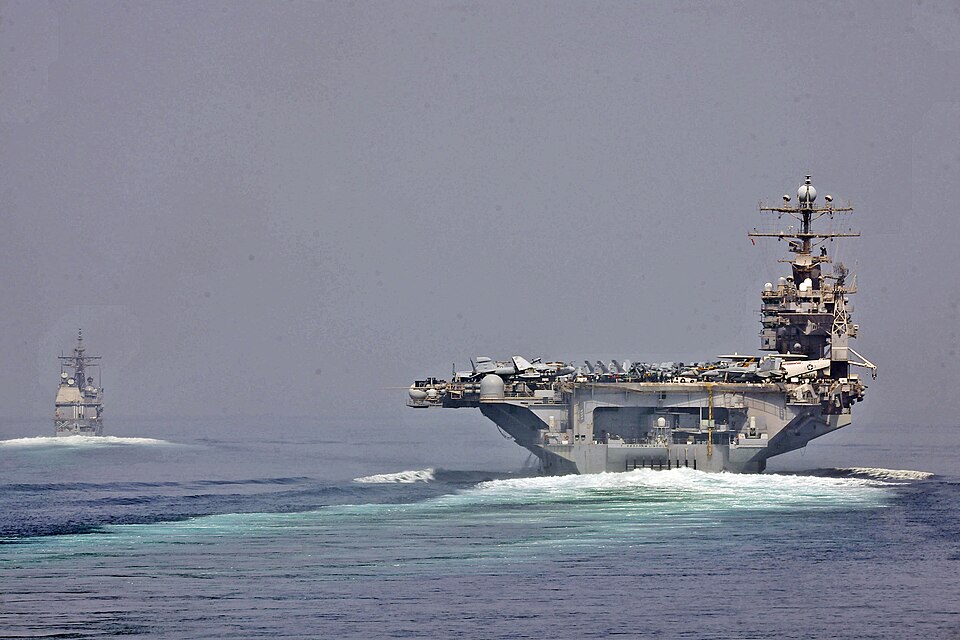
The U.S. military pushed back directly on Iran's announcement. "Iran does not control the Strait of Hormuz," U.S. Central Command spokesperson Navy Captain Tim Hawkins said. "Traffic continues to flow, and U.S. forces are monitoring the situation to ensure this remains the case."
President Donald Trump also weighed in, indicating the administration considered the strait open for traffic. He went further, suggesting the U.S. could begin charging ships to transit the strait if the parties fail to convert the interim agreement into a final deal within 60 days. "There will be NO TOLLS in the Hormuz Strait for 60 days during the Cease Fire Period, and there will be NO TOLLS after the 60 day period has expired, unless they are imposed by and for the United States of America, should the deal not be completed," Trump wrote in a Truth Social post late Saturday. He described the potential charge as payment for "services rendered."
The signed memorandum of understanding reached Wednesday between Trump and Iranian President Masoud Pezeshkian had called for the immediate end to military actions by Israel in Lebanon and the full reopening of the strait without tolls imposed by Iran for at least 60 days. The interim agreement came after nearly four months of war.
Despite the conflicting signals, Vice President JD Vance left Washington late Saturday to travel to Switzerland to resume negotiations with Iran. Iranian negotiators were also preparing to travel to Switzerland for technical-level talks with U.S. officials scheduled to begin Sunday.
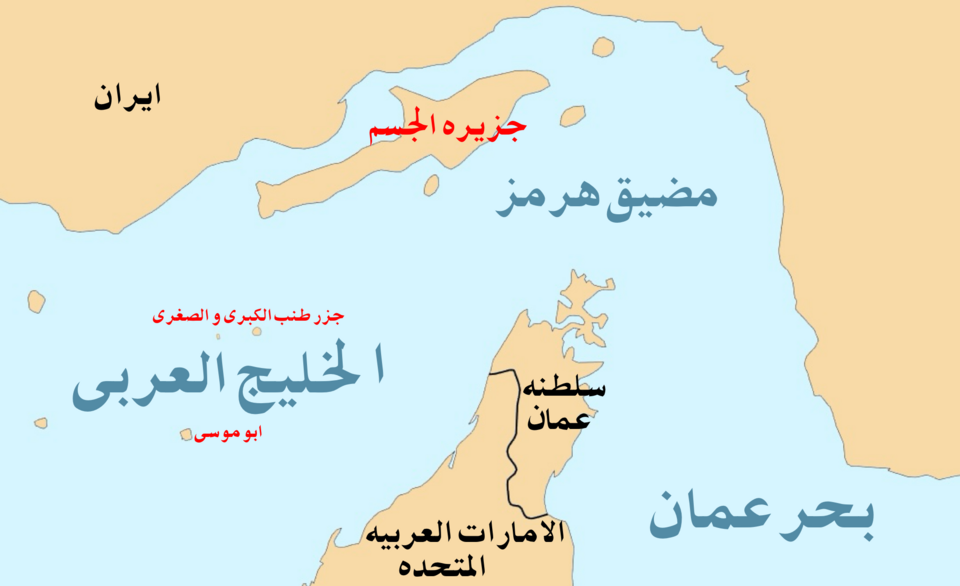
The strait is one of the world's most critical oil shipping chokepoints. Any actual closure would affect a significant share of global petroleum exports and send energy markets into turmoil. The back-and-forth over whether the strait was actually closed added pressure to talks already complicated by the Israeli strikes in Lebanon.
Iran's attempt to declare the strait closed raises the stakes for the Switzerland negotiations, which are intended to advance the interim agreement into a longer-term deal. Trump's 60-day clock, and his threat of U.S.-imposed tolls if no final deal is reached, now frames the timeline for those talks.