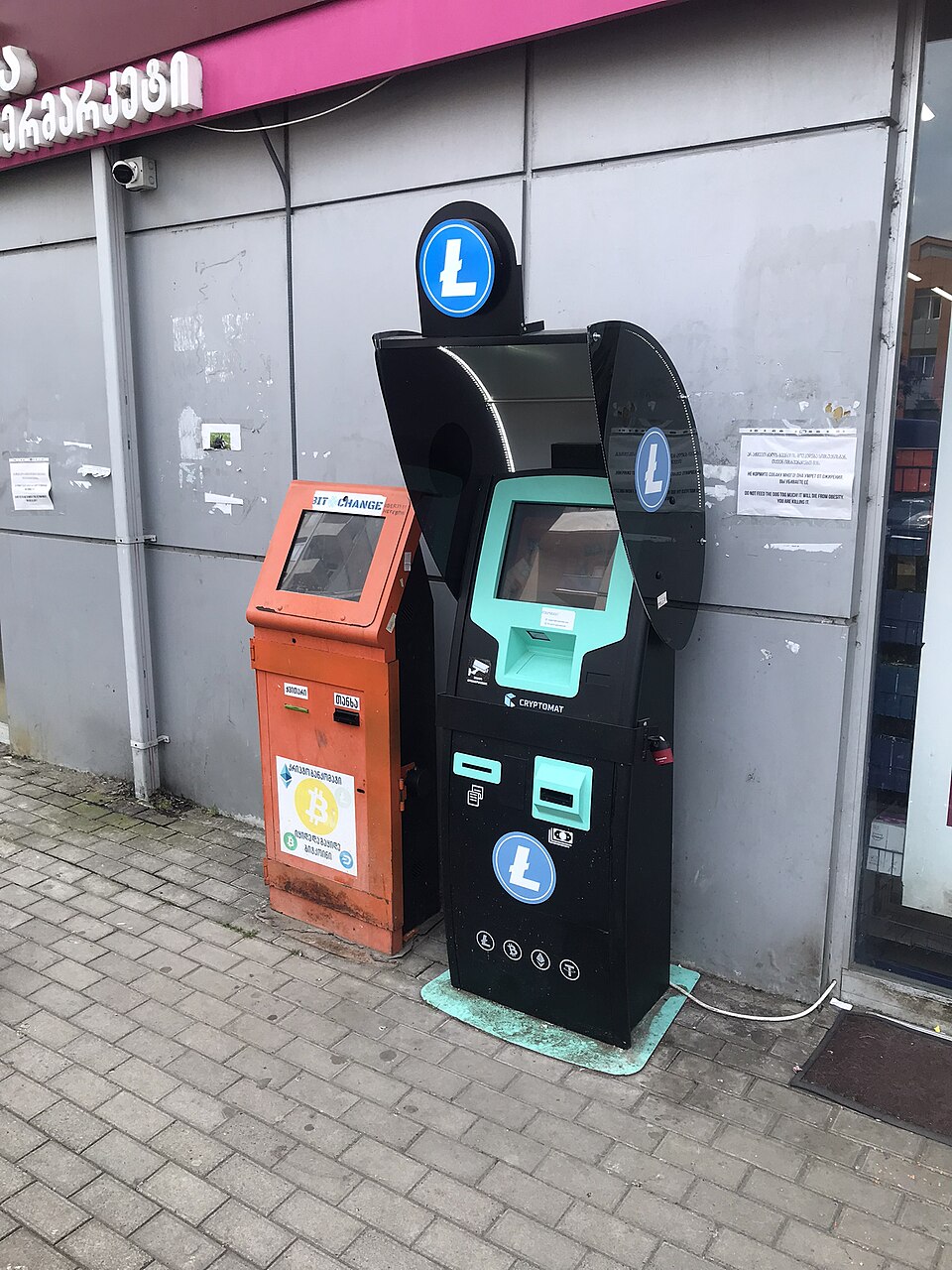
Minnesota will become the first state to ban publicly accessible cryptocurrency ATMs, a move targeting a scam pipeline that drained close to one million dollars from residents over the past several years.
The ban takes effect August 1, 2026. Operators must remove publicly accessible machines by the end of the year. According to a report by Fox News, state officials said scammers used these kiosks to turn panic into payments. A victim gets a frightening call, heads to a machine and sends cash before anyone has time to step in. That quick window is exactly what criminals count on and what Minnesota wants to stop.
The numbers behind the ban are striking. Between 2023 and 2025, Minnesota logged 134 complaints involving crypto kiosk scams. Reported losses came close to one million dollars. In 2025 alone, the state saw 70 cases and more than $540,000 in losses. Those figures likely represent only part of the total damage. Many victims never report what happened. Some feel embarrassed. Others worry their family will judge them.
The machines, also called cryptocurrency kiosks, let people turn cash into digital currency quickly. That speed has made them a favorite tool for criminals who pressure victims during fake emergencies, legal threats, and romance scams. Scammers typically stay on the phone with victims, coaching them through the transaction screens and telling them what to say if anyone nearby asks questions.
Minnesota had already attempted to add safeguards before moving to an outright ban. The state required warnings, transaction limits, and consumer protections on the machines. Law enforcement officials said those measures were not enough. Scammers adjusted their methods and kept exploiting the kiosks.
Crypto kiosks create a dangerous mix for victims. They accept cash, move money quickly, and usually leave very little room for recovery once a transaction goes through. With a bank transfer or credit card payment, there may be some chance to pause, dispute, or trace the money. Crypto works differently. Once the digital currency leaves the wallet, the transfer can move across borders or through multiple wallets before anyone knows what happened.
That leaves victims in a difficult position. They may realize the call was fake only minutes after sending the money. By then, the cash has already been converted to crypto, and the scammer has likely moved it again. Criminals do not need to hack a bank account. They only need to frighten someone enough to follow their instructions.
The ban makes Minnesota one of the most aggressive states in the country in responding to crypto kiosk fraud. No federal ban on the machines exists. Other states have imposed transaction limits or required consumer disclosures, but none has gone as far as removing the machines from public access entirely. Operators in Minnesota now face a firm deadline. Any machine still publicly accessible after December 31, 2026 would be in violation of state law.