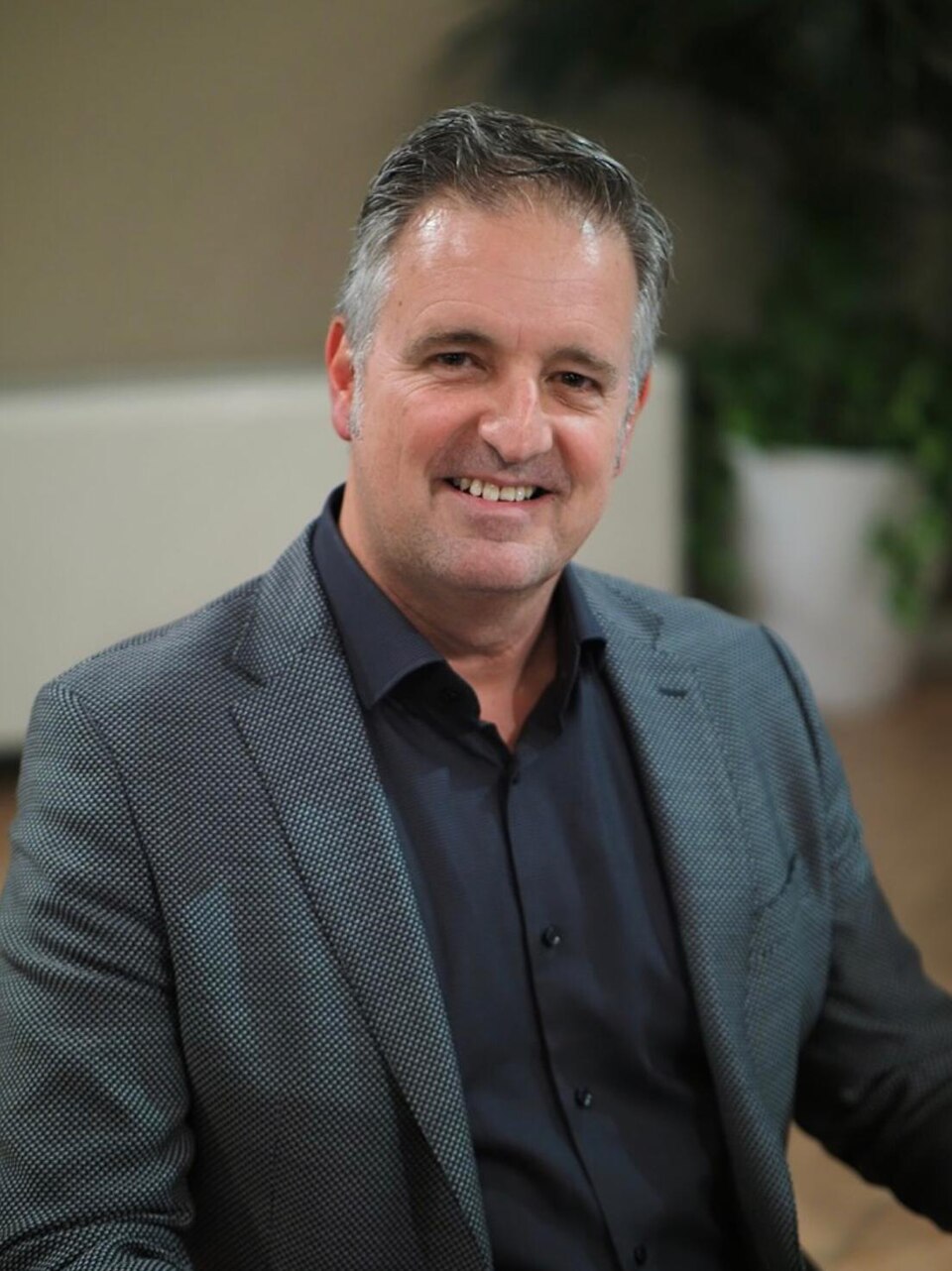
Molly Madore, 34, says she cannot remember a time when her weight was not a problem. She tried salads as a teenager, then protein shakes and meal supplements in her early 20s. Nothing held. According to a report by Healthline, the pattern was always the same.
"As soon as I'd fail one meal, I felt like I failed the diet completely," she said. "And then I'd be like, 'Well, I'll start Monday,' and then Monday would roll around, and I just wouldn't continue."
In late 2023, Molly saw a Facebook advertisement for GLP-1 injections and got a prescription from a local health facility. Side effects from the medication pushed her toward a different option. While riding an elevator at the hospital where she works as a medical assistant, she noticed a poster for endoscopic sleeve gastroplasty, known as ESG. The procedure uses a flexible scope to place sutures inside the stomach during an endoscopy, shrinking its volume by 70 to 80 percent. There are no cuts or incisions.
Rabia De Latour, MD, associate professor at NYU Grossman School of Medicine, explained the difference between the two approaches. "Medication effects typically wear off after they are stopped and can result in recurrent weight gain," she said. "By reducing the volume of the stomach with [an ESG], one creates restriction and promotes satiety, or fullness, with less food."
Molly moved forward with a consultation in the summer of 2024 and waited for insurance approval before scheduling the procedure. Her results were significant enough that her mother, Diane Madore, 59, decided to undergo the same procedure in September 2025. Diane set a goal of reaching her target weight before turning 60. Between them, the two lost a combined 163 pounds.
The procedure is generally recommended for people with a body mass index between 30 and 50 who want a nonsurgical option. Molly and Diane have said publicly that they want others to know the option exists, particularly people who have cycled through diets and medications without lasting results.
The ESG differs from traditional bariatric surgery in that it does not require cutting or removing any part of the stomach. The sutures placed during the endoscopy physically reduce how much food the stomach can hold, which leads to a feeling of fullness with smaller meals. Recovery time is also shorter than with surgical options.
Molly's path to the procedure started not in a doctor's office but in a hospital elevator. That detail is part of what she has shared publicly, describing how she had worked in a medical setting without knowing the option was available nearby. For both her and her mother, the decision came after years of trying approaches that did not produce lasting change.