

SpaceX shares fell below $150 on Tuesday, the price at which the stock first traded when the company debuted nearly two weeks ago. The drop also pushed the company's market capitalization below $2 trillion, capping a brutal stretch for investors who bought in after the record-breaking IPO.
According to CNBC, the company saw a $400 billion selloff on Monday alone, with the stock falling 16% that day. That followed drops of 3.6% and 5% in the two previous trading sessions. Tuesday marked a fourth straight day of losses.
The selloff came after a historic run. SpaceX shares surged more than 50% above their offering price in the days after the June 12 IPO, briefly pushing the company's market cap past both Amazon and Microsoft. At its peak, SpaceX was briefly the most valuable publicly traded company in the world. That run drew in a wave of individual investors eager to own a piece of Elon Musk's space and artificial intelligence company.
But the gains evaporated quickly. By the end of last week, the average investor who bought SpaceX shares had seen nearly all of their gains disappear.
MarketWatch reported that everyday investors made significant bets on SpaceX during the trading frenzy, ranging from six-figure retirement gambles to tactical day trades. Many of those investors are now facing a bear market in the stock after buying near the top.
On Monday, SpaceX announced a senior unsecured notes offering and disclosed that it had $100.8 billion in cash and cash equivalents on hand as of June 19. The company also revealed it had signed a major computing power agreement with open-source AI startup Reflection, giving that company access to Musk's Colossus infrastructure. Neither announcement appeared to slow the selling.
The stock's debut had been one of the most anticipated IPOs in years, driven in large part by Musk's public profile and the company's dual focus on space exploration and artificial intelligence development. Investors who bought at the offering price and held through the peak saw extraordinary paper gains before the reversal. Those who bought in after the IPO, chasing the momentum, faced steeper losses as sentiment shifted.
SpaceX has not commented publicly on the stock's decline. The company's next steps in addressing investor concerns are not yet clear, and no shareholder meetings or earnings calls have been announced. The notes offering disclosed Monday will add debt to the balance sheet even as the company sits on more than $100 billion in cash.
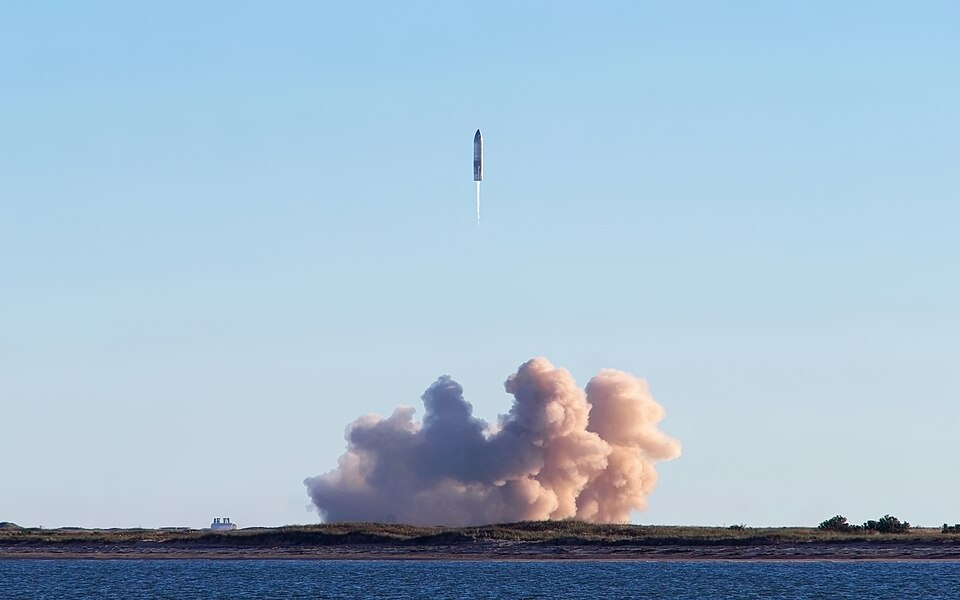
![[RAW] SpaceX Starship IFT-1 NASA WB-57 Cam 0
TLP Network via a NASA FOIA has acquired 2 of 5 videos recorded by NASA WB-57 during the Starship IFT-1 flight. The other 3 cameras from NASA WB-57 have been classified.
Thank you to NASA HQ for their support in releasing this footage to TLP Network.](https://freenewspress.com/media/2026/05/21/spacex-starship-6191d1.jpg)