President Trump said Tuesday that Iran had "fully and completely" agreed to allow nuclear inspections, but Tehran pushed back directly, saying there were no plans for International Atomic Energy Agency inspectors to return to its bombed enrichment sites.
Vice President JD Vance said Monday that United Nations inspectors could return as soon as this week. Iran's government did not confirm that timeline. According to CBS News, Iran's position was that it had made no new commitments regarding access to nuclear sites.
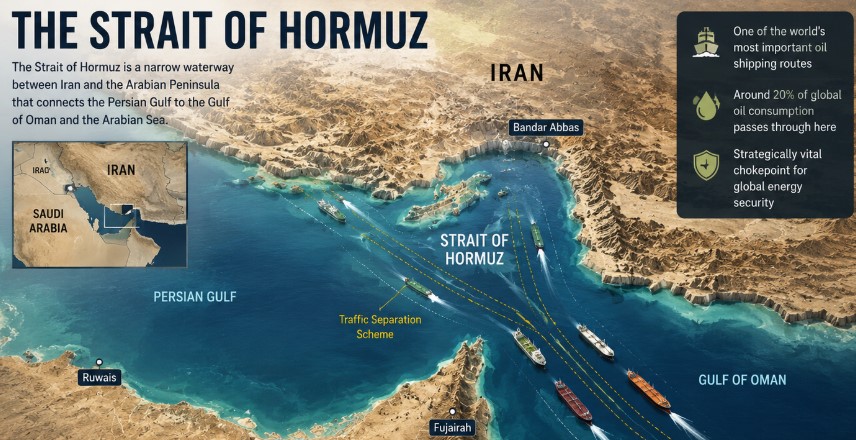
Iran's chief negotiator told state media Tuesday that the Strait of Hormuz will "never return to its pre-war conditions" and that Iran will maintain control of the vital waterway. Monday was described as the busiest day for transits of the strait since the war began, with 35 commercial vessels crossing the waterway according to data from maritime tracking firm Kpler. That figure is still only about a third of pre-war traffic levels, and it likely does not include some ships that transited with their location transponders switched off.
Iran and Oman also released a joint statement Tuesday, saying the two countries were working to reach an agreement on how the Strait of Hormuz would be jointly managed going forward. The statement said the services they provide to vessels would have "costs associated with them in accordance with international standards." Both countries emphasized their sovereignty and sovereign rights over their territorial waters in the strait.
Separately, the Israeli military said Tuesday that forces opened fire at Hezbollah fighters in southern Lebanon who approached soldiers while posing as civilians, in what it described as a second incident of the day. In a statement, the Israel Defense Forces said troops "identified four Hezbollah terrorists riding a bulldozer and a motorcycle who had crossed into the security zone and approached the soldiers, posing an immediate threat." Soldiers fired warning shots before opening fire. It was not clear whether anyone was injured.
The IDF described the incident as "yet another example of the cynical use the organization makes of Lebanese civilians and civilian infrastructure as a shield for its operations." Flare-ups between Israel and Hezbollah have threatened to disrupt the broader agreement reached between the United States and Iran. Mediators said a de-conflicting cell was being created to prevent escalations, but it remained unclear when it would begin operating or how it would function.