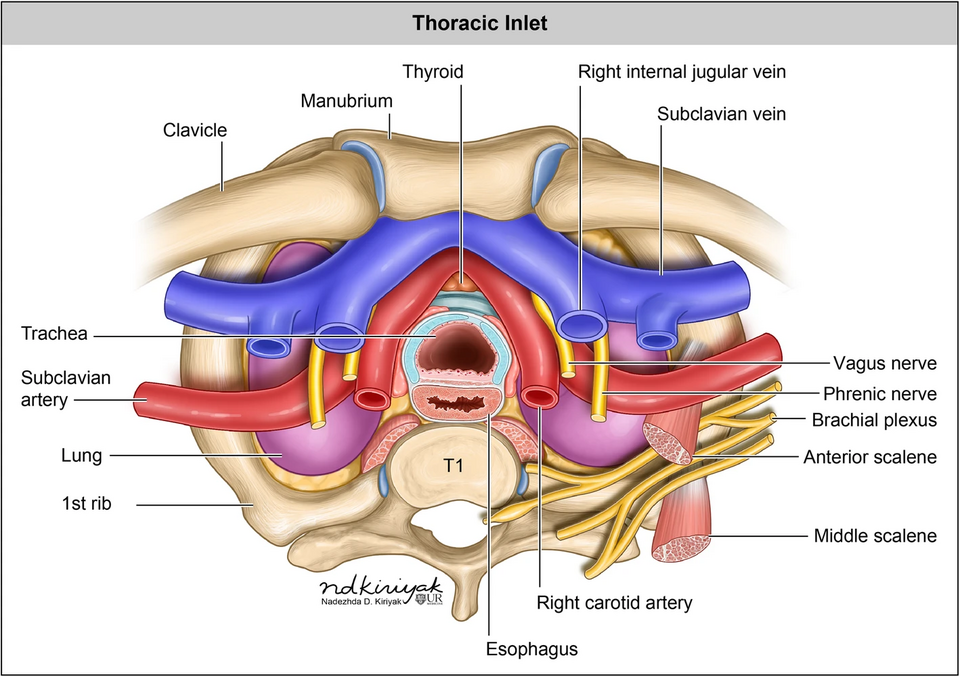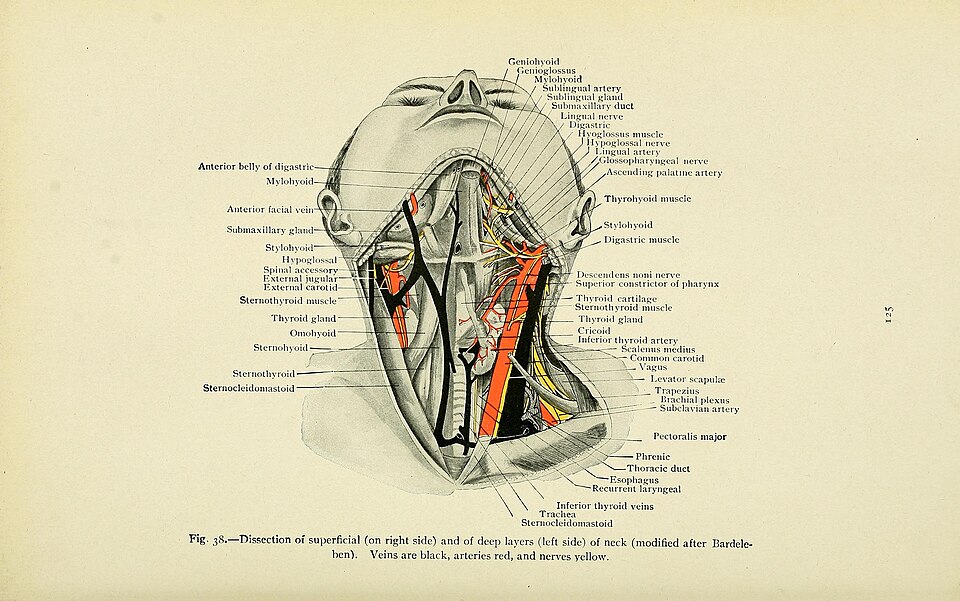
In 2000, Jayme Cohen Lynde was finishing her junior year at Michigan State University when she felt a lump on the side of her neck. She had almost no symptoms, but she followed up with a specialist anyway. The diagnosis was a carotid body tumor, a rare growth that develops near the carotid arteries in the neck. Because the tumor was benign, her doctors told her she could finish the school year and spend the summer in New York for an internship.
When she returned home in August, she expected a relatively minor surgery and a short recovery. That is not what happened.
The specialist who treated her wanted more information before operating. "The weekend before the surgery, [the specialist] had me do all these extra tests," she told Healthline. "What we found out was, not only was there a carotid tumor living on my carotid artery, but there was a paraganglioma tumor that was living on the base of my skull."
Paragangliomas are rare tumors that can develop along nerve pathways in the head and neck. Because this second tumor appeared to be growing slowly, doctors decided to remove the carotid body tumor first and let Cohen Lynde finish her senior year before addressing the paraganglioma. That first surgery lasted eight hours. "It was an 8-hour surgery, and it took me [about] a week to recover," she said.
She returned to school, completed her degree, and began making plans to move to New York City for a job in advertising. A follow-up MRI with contrast changed those plans. The paraganglioma was now affecting blood flow to her brain, and doctors believed she needed surgery before moving forward.
Her doctor outlined two options. The first was to operate directly through her skull, which carried risks of stroke, long-term complications, and death. The second involved a team of specialists accessing the tumor through her mouth. That approach would require removing a tooth, breaking her jaw, and opening part of her face. She would need a feeding tube and a tracheostomy, and she would not be able to speak because the procedure would affect her vagus nerve. Her doctor believed she would eventually recover, though he could not say exactly how long that would take.
Cohen Lynde chose the second option. What was scheduled as a 12-hour surgery lasted 24 hours. Doctors were able to remove the entire tumor. The recovery that followed required her to relearn how to speak and swallow, a process that took months.
Years later, during routine follow-up care, doctors discovered a recurring tumor and a new tumor. After seeking a second opinion, Cohen Lynde and her doctor chose to monitor the recurring tumor rather than pursue radiation treatment. Her case, reported by Healthline, illustrates how rare head and neck tumors can require years of ongoing surveillance even after successful surgical removal.