

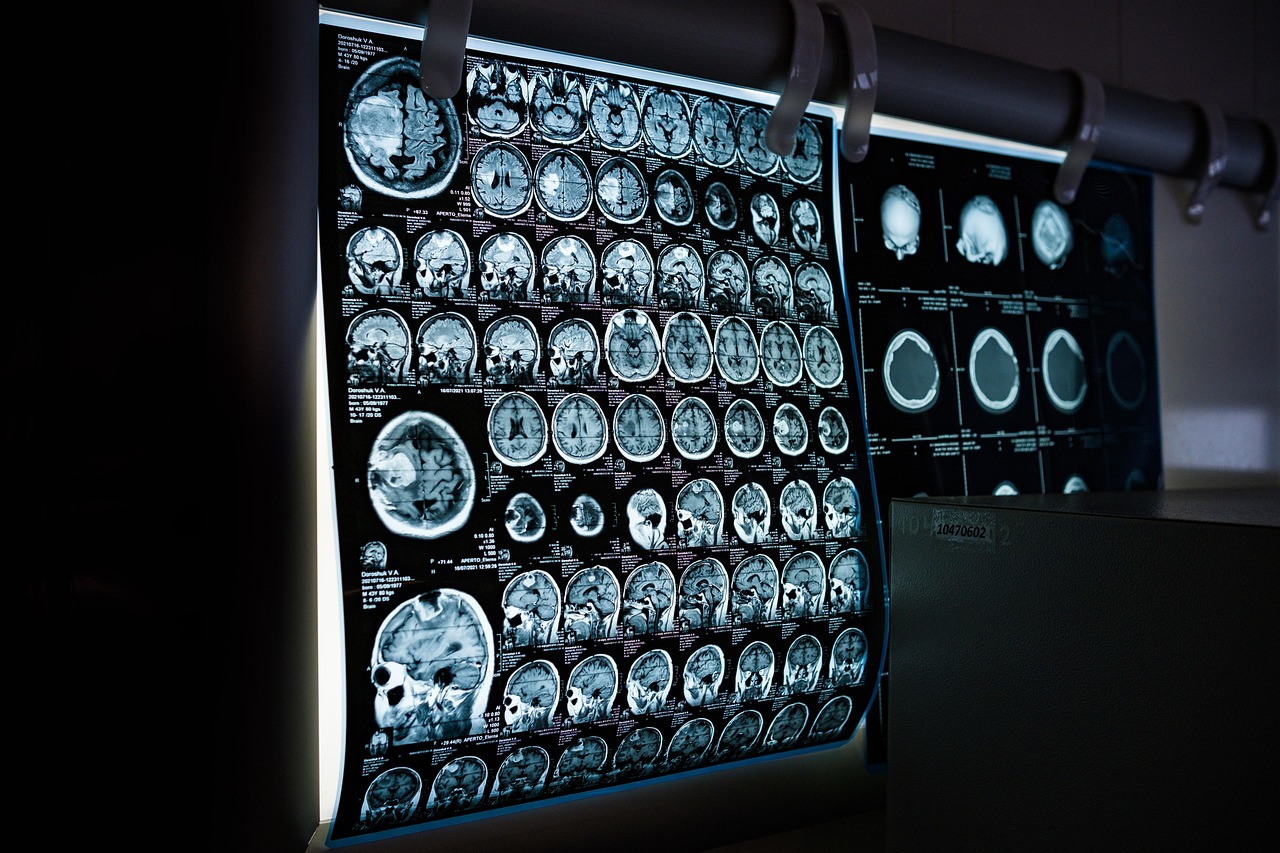
Brain scans are helping doctors deliver magnetic stimulation therapy to the right spot in the brain, according to a report by U.S. News and World Report, and the difference in outcomes is significant for patients who have not responded to standard depression treatments.
The therapy is called transcranial magnetic stimulation, or TMS. It uses magnetic pulses to stimulate nerve cells in the brain. It has been approved for depression treatment for years, but its effectiveness has varied widely depending on where exactly the magnetic coil is aimed. Targeting has traditionally relied on rough anatomical landmarks rather than a patient's individual brain structure.
The new approach uses MRI brain scans to map each patient's specific brain anatomy and identify the precise location that should be targeted. Because brains vary considerably from person to person, a general estimate of where to aim the device can miss the most responsive tissue by a meaningful margin. Individual imaging removes much of that guesswork.
The research builds on growing understanding of which brain networks are involved in depression. A region called the dorsolateral prefrontal cortex is a standard TMS target, but its functional connection to deeper brain structures matters more than its physical location alone. Scans can reveal how well different areas of the prefrontal cortex communicate with those deeper regions, allowing clinicians to select the spot with the strongest relevant connectivity.
Patients with treatment-resistant depression stand to benefit most. This group has typically already tried multiple antidepressant medications without adequate relief. TMS offers a non-drug option, but only if it can be delivered consistently to the right area. Scan-guided targeting addresses one of the main reasons the therapy has produced uneven results across clinical settings.
The findings point toward a more personalized model of brain stimulation treatment, one where imaging data shapes the intervention rather than serving only as background information. Researchers noted that this kind of precision approach could eventually extend to other conditions treated with brain stimulation, including obsessive-compulsive disorder and post-traumatic stress disorder.
TMS is typically delivered in daily sessions over several weeks. It is generally well tolerated, with fewer systemic side effects than many medications. Adding a brain scan step to the process increases upfront preparation time but may reduce the number of patients who cycle through the full treatment course without improvement.