A three-person company in Slovenia is now the face of a global crisis in memory chip pricing. Tomaž Zaman, co-founder of Mono Technologies, launched his company in 2024 and found early success selling a $600 router development kit to networking enthusiasts. Earlier this year, he assembled and shipped nearly 1,000 units. Now he has 1,300 prospective customers who put down $100 deposits for his next production run, and he is not sure he can deliver.
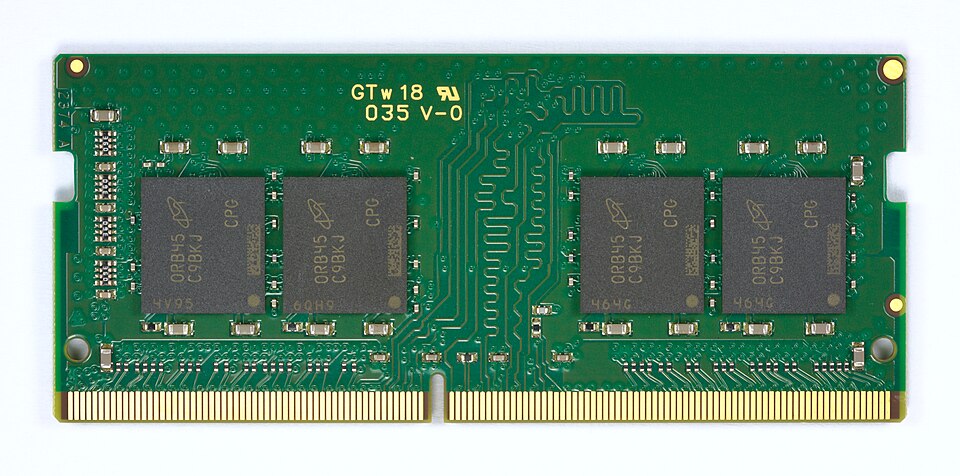
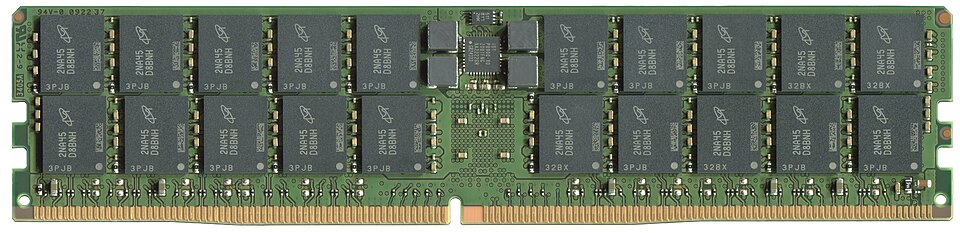
The cost of 8 gigabytes of DRAM from Micron shot up from $35 when he was first developing the product to $300 today. According to CNBC, Zaman has not decided whether to go ahead with a second batch and raise the price by at least one-third, or introduce a new model with 75% less memory.
"Even a router of our class, it's a poor value if you make it at $900, $1,000," Zaman told CNBC. "But we have to, or we trim it down to the bare minimums."
The memory crunch is rippling across the entire consumer electronics market, from iPads and Xbox consoles to niche products barely past the testing phase. The cause is the artificial intelligence boom, which has led chipmakers like Nvidia to consume ever-increasing amounts of memory for processors and advanced systems.
Large companies have options that smaller ones do not. Apple and Microsoft both announced price hikes this week, backed by large cash reserves, supply chain leverage, and customer bases numbering in the millions or billions. Most consumer electronics companies have little margin to spare and cannot confidently raise prices in an economy already dealing with inflationary pressure.
The consequences are already visible. GoPro, the struggling maker of action cameras, warned this month that it might go out of business after memory costs rose between 80% and 115% at the end of the first quarter. Shares of speaker maker Sonos are down 23% this year as memory prices squeeze margins.
Nabila Popal, an analyst at IDC, put the stakes plainly. She described the current situation as an "absolute existential crisis" for companies such as smaller Android phone manufacturers or "local players that are making devices below $100."
"They won't be able to get the memory because memory suppliers are only answering calls of the big players," Popal said.
The flip side belongs to Micron. In its quarterly earnings report on Wednesday, Micron said revenue in the latest period more than quadrupled, and its gross margin more than doubled to almost 85% from 39% a year ago. Micron shares jumped 16% on the results and are now up about 800% over the past year, rallying alongside rivals SK Hynix and Samsung. The average selling price of Micron's dynamic RAM in the third quarter rose more than 260% from a year ago.
For Zaman and thousands of companies like his, the next production decision may also be the last.