Uber is spending heavily to stay relevant in the robotaxi race, according to MarketWatch, even as competitors with their own hardware push deeper into the autonomous vehicle market. The ride-hailing company is writing checks of 500 million dollars to lock in robotaxi partnerships, a strategy that sets it apart from rivals like Tesla and Waymo, both of which are developing their own vehicles.
The central tension in the robotaxi competition is that Uber, the company spending the most to win, builds no cars at all. Instead, it is betting that its platform and its existing network of riders give it leverage to partner with whatever autonomous vehicle companies emerge on top.
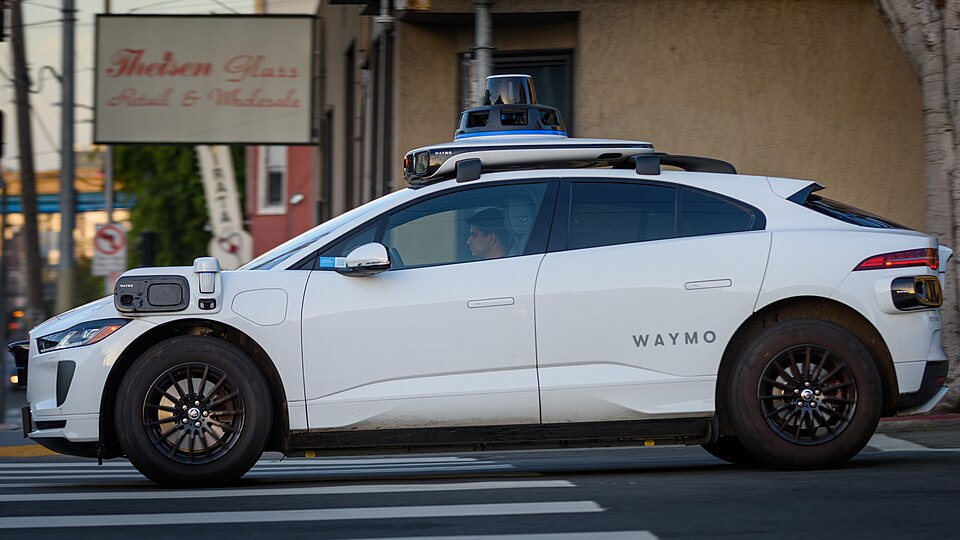
Waymo, backed by Alphabet, has been expanding its paid driverless ride service in several U.S. cities and represents one of the most advanced deployments of autonomous taxi technology currently operating at scale. Tesla, meanwhile, has been developing its own robotaxi ambitions under the Cybercab brand, relying on its large fleet of customer-owned vehicles to gather driving data.
Uber's approach is different from both. Rather than building or owning the technology, it is positioning itself as the distribution layer, the app that connects riders to whatever driverless vehicle shows up. The 500 million dollar figure signals how seriously the company is taking the threat that Waymo and others could eventually bypass it entirely and go direct to consumers.
The robotaxi market remains in an early stage, with questions about regulation, liability, and public acceptance still unsettled across most of the country. But investment activity from multiple major players suggests the industry expects the market to grow significantly in the years ahead. How that growth is distributed, between hardware makers, software platforms, and ride networks, remains an open question.