The search for earthquake survivors in Venezuela stretched into a third day Saturday with the situation growing more desperate by the hour. People dug through the rubble of collapsed homes and apartment buildings three days after twin earthquakes struck the country, leaving hundreds dead and thousands trapped.
About 51,000 people remain listed as missing, according to CBS News. Officials cautioned that figure likely includes people who have been unable to communicate with loved ones due to lack of cellphone signals, and that some reports may be duplicates. More than 200 people have been rescued so far, the government of Caracas said.
The International Organization for Migration said up to 6.76 million people in Venezuela could be affected by the earthquakes, including some 2 million in Caracas alone.
Venezuelans reported seeing few state rescue teams in the hardest-hit areas, despite authorities projecting an image of a robust government response. Acting President Delcy Rodríguez said the Venezuelan government was mounting a full response during these "critical hours for rescuing people alive" and welcomed the arrival of international rescuers and humanitarian aid. She said food and water was being distributed in the region by government officials.
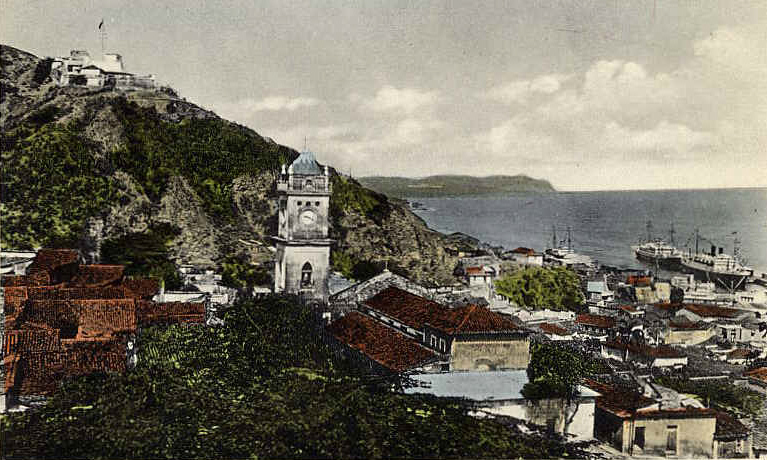
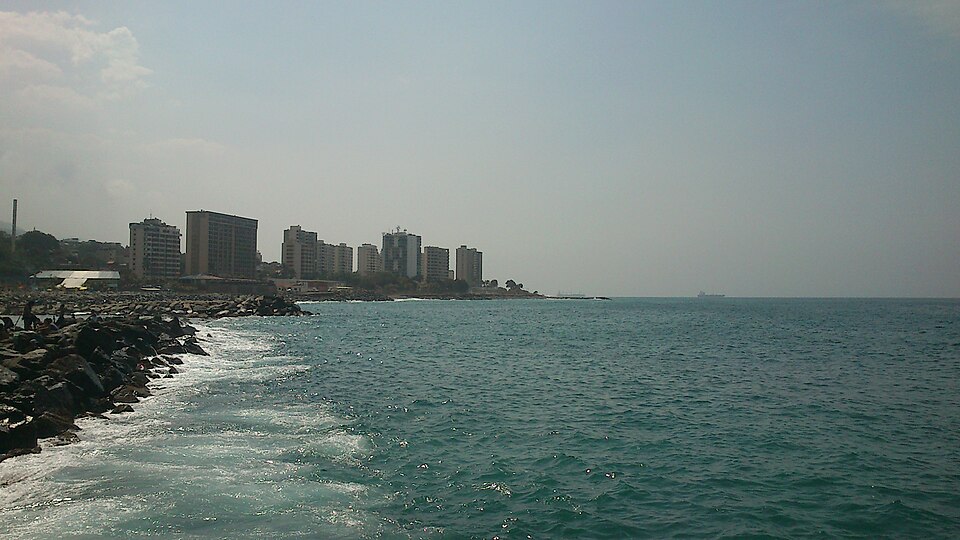
Authorities announced Friday night they would block access to La Guaira, the epicenter of the destruction just north of Caracas, as chaos and traffic began to hamper search efforts. Anyone wanting to enter would now have to seek official permits, though officials provided few details about who would be allowed in. Rodríguez said La Guaira had been militarized and more help was on the way, even as residents said it was just a fraction of what they needed.
Aid agencies consider the first 48 to 72 hours a crucial window for retrieving people alive, though that window can be extended if survivors have access to food and water. Venezuelans took the search for missing loved ones into their own hands, citing a scarcity of government rescuers.
Diana Sandrano told CBS Saturday Morning her brother has been missing for two days. The building where he lived was destroyed in the quakes. Rescue workers and search dogs scoured the building as she prayed for a miracle. "He deserves to live and have a future," Sandrano said, after a day of searching.
At another site, Nazareth Jimenez sobbed into a loved one's shoulder as she watched neighbors use hammers and power tools to cut through slabs of concrete in a building reduced to a mountain of debris. She was waiting to learn whether her siblings, nephews, nieces, and friends would emerge alive.
"My God, how are we going to get them out of there?" Jimenez said.
She pleaded for machinery capable of moving collapsed structures. "We're making a call for help to the government and countries across the world," she said. "There are still people alive."
Oleksandr Ganja, head of the Dnipropetrovsk regional military administration, said Russia had attacked two districts of his region more than 30 times with drones and aerial bombs.