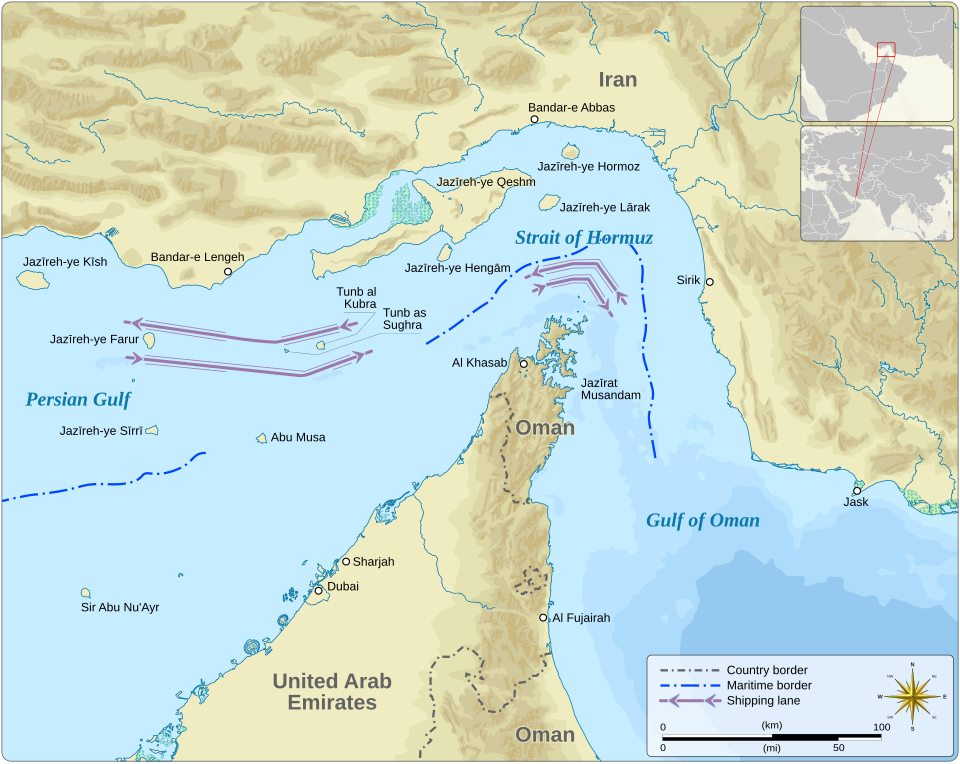
The U.S. military struck a series of Iranian targets on Saturday after a commercial tanker was hit by a drone in the Strait of Hormuz, the latest exchange in a rapidly deteriorating ceasefire between Washington and Tehran.
According to CNBC, U.S. Central Command published a statement late Saturday identifying the targets as "military surveillance infrastructure, communication systems, air defense sites, drone storage facilities, and minelayer capabilities." The strikes were described as retaliation for an Iranian drone that hit a commercial vessel earlier that morning.
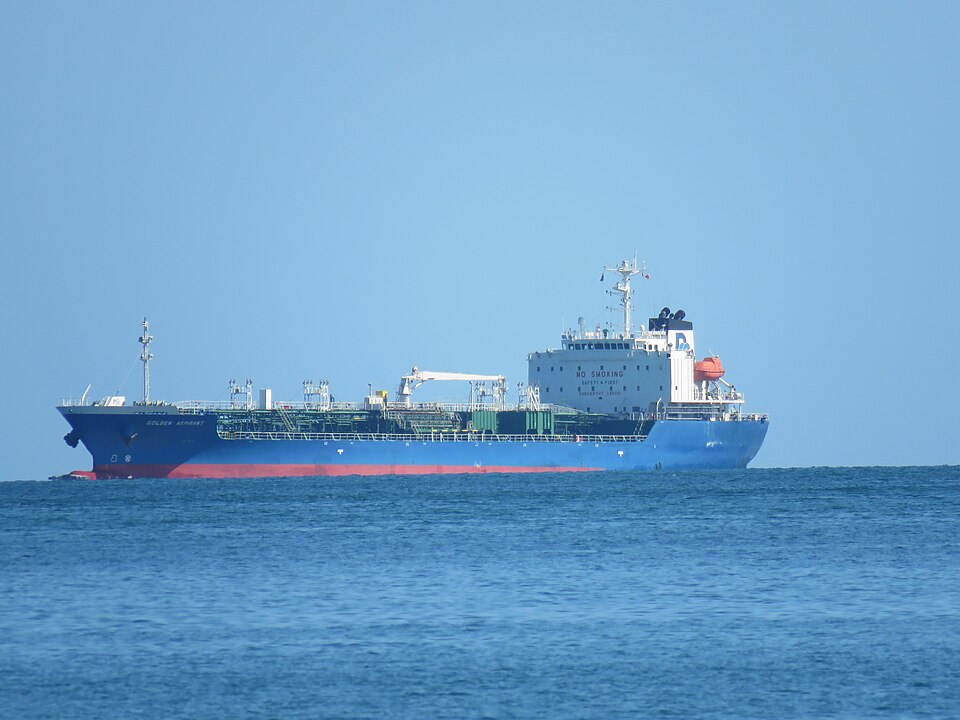
Central Command's statement was direct about what triggered the attack. "Iran was given a chance to honor the ceasefire agreement but elected not to when its forces launched a one-way attack drone that hit M/T Kiku this morning at 4:30 a.m. ET," the statement said. "The Panama-flagged tanker was transiting near the Strait of Hormuz with more than two-million barrels of crude oil."
Saturday's strikes were the second consecutive day of U.S. military action against Iran. On Friday, Central Command said its aircraft "struck Iranian missile and drone storage locations and coastal radar sites" after President Donald Trump accused Iran of a "foolish violation" of the ceasefire. That action followed a Thursday drone attack by Iran on the Singapore-flagged cargo ship Ever Lovely in the strait off the coast of Oman. That vessel was reported to have continued through the strait after being struck.
The exchange is occurring during what was supposed to be a 60-day ceasefire between the two nations. More than a week ago, Trump and Iranian President Masoud Pezeshkian signed a memorandum of understanding aimed at developing a permanent peace deal. Both governments have since accused the other of violating that agreement.
Iran's Revolutionary Guard issued its own statement after Saturday's U.S. strikes, placing responsibility on what it described as American aggression. "Following the violation of the ceasefire by the Zionist regime in southern Lebanon, a few hours ago, the treaty-breaking US regime, as always, violated its commitments and, under various pretexts, attacked the coasts of the Islamic Republic of Iran with an airstrike due to the passage of a violating ship through an unauthorized route in the Strait of Hormuz," the IRGC said. The statement continued: "The IRGC Navy responded to this aggression by striking the positions of the US terrorist army in the region."
Bahrain also condemned Saturday's Iranian drone strike, calling it a "blatant violation" of its sovereignty.
Despite the back-and-forth strikes, U.S. Central Command said commercial vessel transits through the Strait of Hormuz were continuing. The strait is one of the most critical chokepoints for global oil shipments. Any sustained disruption to traffic there would affect energy markets worldwide.
Ebrahim Azizi, the head of the national security commission of the Iranian parliament, posted on X that the U.S. had attacked Iran in the middle of ongoing negotiations, though the full text of that statement was not available.
The situation remains active, with no indication from either government that the exchanges will stop in the near term.