Oil prices climbed Monday after the United States and Iran agreed to pause hostilities following a weekend of military strikes and tanker attacks in the Strait of Hormuz. U.S. West Texas Intermediate futures rose 1.9% to $70.56 per barrel, crossing back above the $70 mark after settling below it on Friday for the first time since February 27, the day before the start of the Iran war. International benchmark Brent crude gained 1.3% to $72.91.
According to CNBC, U.S. officials said both sides would stand down and allow commercial vessels to freely transit the strategically vital strait. A U.S. official told CNBC on Sunday that "technical talks are slated to continue on all areas of the MOU," referring to a memorandum of understanding reached by the two countries on June 17. "Both sides will stand down for now and vessels can move freely," the official said.
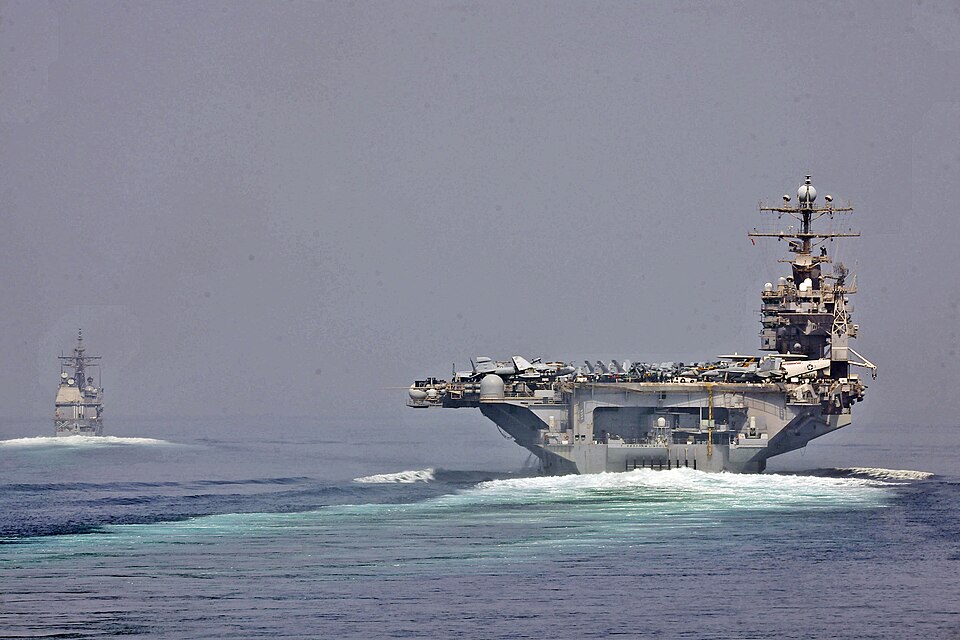
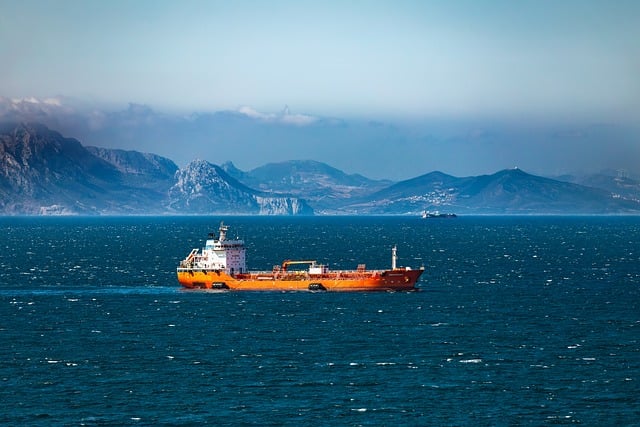
The weekend's violence began after a commercial tanker in the Strait of Hormuz was reportedly struck by a projectile Saturday. Iran's neighbors Kuwait and Bahrain also reported incoming missiles and drones overnight. U.S. Central Command said fighter jets struck 10 Iranian military targets in and near the strait in retaliation for a drone strike on the Panamanian-flagged tanker, the M/T Kiku. The vessel was carrying more than 2 million barrels of crude oil when it was hit.
President Trump posted a warning to Iran on Sunday on Truth Social. "United States aircraft just struck Iranian missile and drone storage locations, and coastal radar sites, for violating the Cease Fire Agreement, AGAIN!," he wrote. He added, "There may come a point when we are no longer able to be reasonable, and will be forced to militarily complete the job that we very successfully started. If that happens, the Islamic Republic of Iran will no longer exist!"
Despite the price rise Monday, energy analysts cautioned that markets may be underestimating the risks. Strategists at ING said participants appeared too optimistic about how quickly Persian Gulf oil supplies would recover. Warren Patterson and Ewa Manthey, analysts at ING, wrote in a research note that "participants appear to be shrugging off these developments, instead focusing on what a continued recovery in oil flows would mean for the global balance."
The pair added that "this complacency is odd and clearly leaves significant upside risk if the supply recovery proves slow — or if we see significant re-escalation. While the oil market is technically in oversold territory, momentum appears to still be to the downside."
The WTI contract had been under pressure heading into the weekend. The drop below $70 on Friday marked a level not seen since late February, just before the conflict with Iran began. Monday's rebound reflected relief over the ceasefire agreement, but analysts said the underlying risks to supply have not been resolved.
The Strait of Hormuz is one of the world's most critical oil chokepoints. A sustained disruption to shipping through the strait would affect a significant share of global crude exports, making any renewed escalation between the U.S. and Iran a major variable for energy markets.