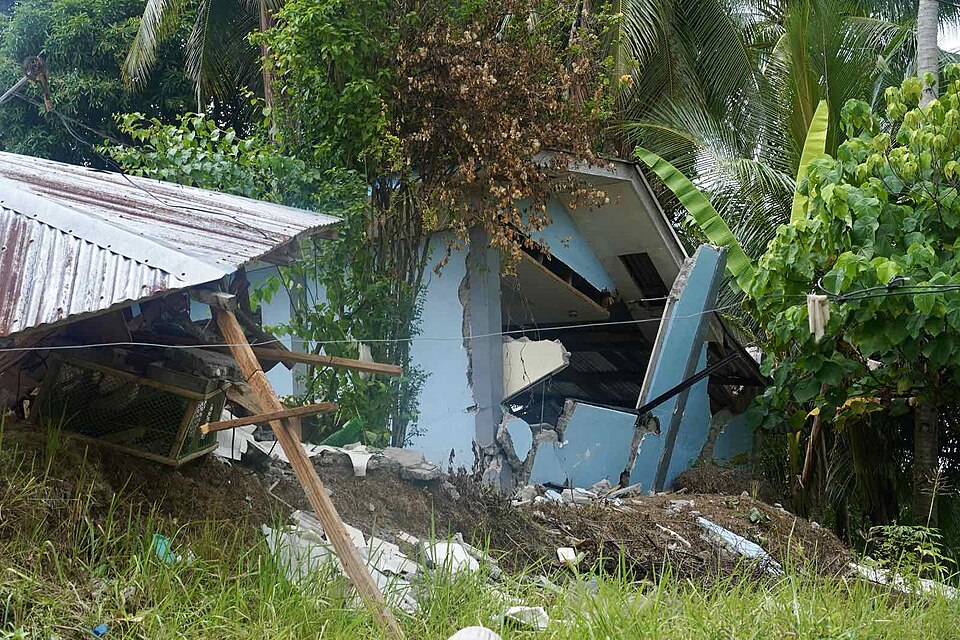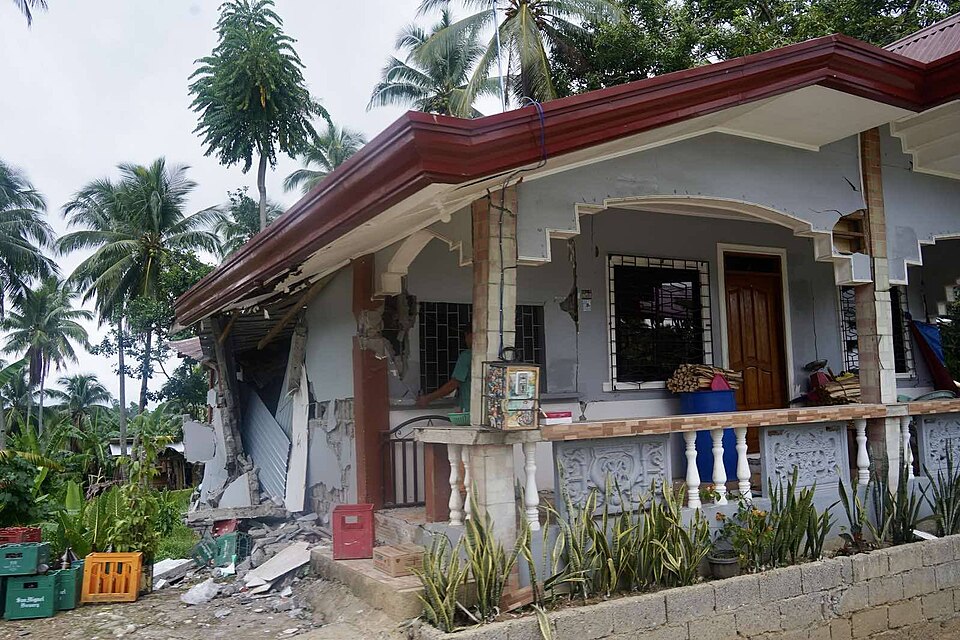
A significant earthquake has severely disrupted health services across affected areas of Venezuela, with hospitals damaged, key medical infrastructure knocked out of operation, and health workers reported missing, according to UN News. The disaster has compounded an already fragile public health situation in a country that has faced years of economic collapse and medical supply shortages.
The earthquake struck with enough force to damage facilities that communities depend on for emergency and routine medical care. Reports indicated that health workers in the affected areas were missing in the aftermath, raising concerns about casualties among medical personnel and gaps in the capacity to respond to injuries and illness caused by the disaster itself.
Venezuela's health system was already under severe stress before the earthquake. Years of economic crisis have left hospitals without basic medicines, equipment, and reliable electricity. Many trained doctors and nurses have emigrated as part of a broader exodus of professionals from the country, leaving facilities short-staffed even under normal conditions. The earthquake's damage to buildings and infrastructure has added to those pre-existing difficulties.
Key services beyond health care were also reported as crippled by the quake. Disruptions to water, electricity, and transportation affect the ability of both patients and medical workers to access care. In disaster situations, functional health systems are critical not only for treating direct injuries but for preventing secondary health crises from contaminated water, displacement, and the interruption of treatment for chronic conditions.
UN humanitarian officials were tracking the situation as of the report. International disaster response organizations typically begin assessments of health system capacity early in the aftermath of a major earthquake to identify the most urgent gaps and coordinate outside assistance. The scale of Venezuela's existing health infrastructure problems means that outside support may be needed both for immediate emergency care and for longer-term recovery of medical services.
The full extent of the damage and the status of the missing health workers had not yet been confirmed at the time of the report. UN News noted that key services remained crippled as responders worked to assess the scope of the disaster and reach affected communities.