A new study suggests that people who eat diets known to reduce inflammation in the body may also be lowering their risk of developing dementia. The findings, reported by U.S. News and World Report, add to a growing body of research linking what people eat to how their brains age.
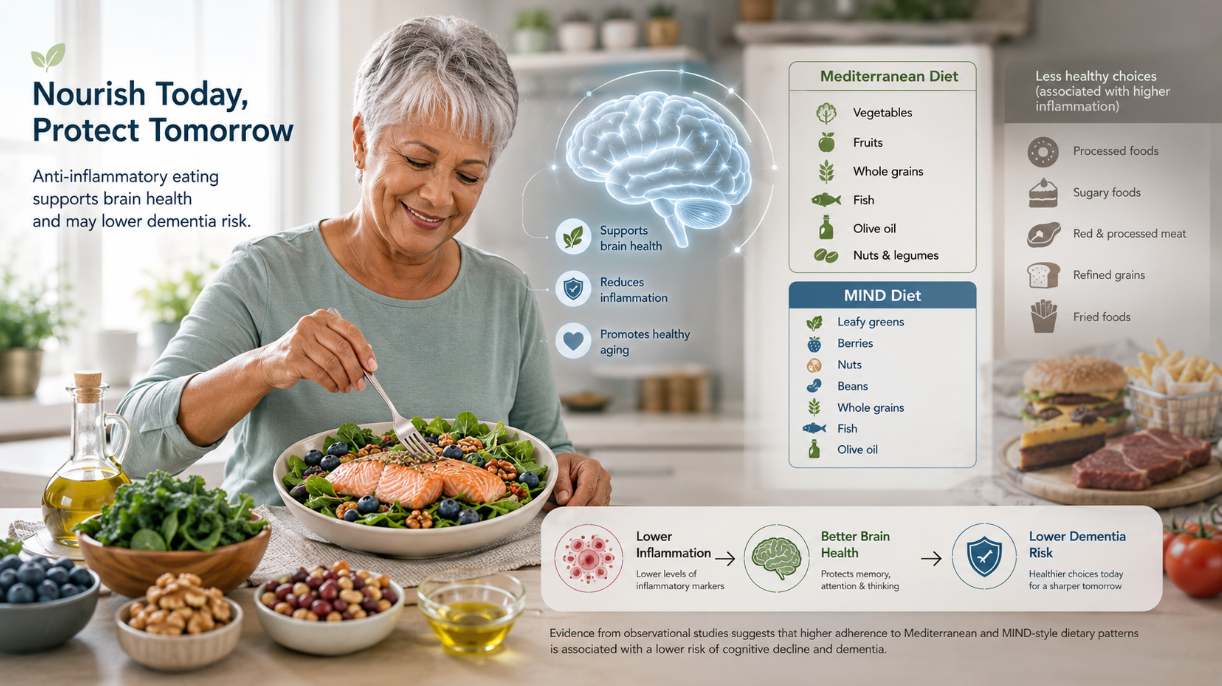
Inflammation is the body's natural response to injury or infection. But when it becomes chronic, it can damage tissues throughout the body, including the brain. Researchers have long suspected that diets high in processed foods, red meat, and refined sugars can drive that chronic inflammation, while diets rich in vegetables, whole grains, fish, and healthy fats may reduce it.
The study examined eating patterns and tracked participants over time to see who developed dementia. Those who consistently followed diets associated with lower inflammation fared better than those who did not. The connection held even after researchers accounted for other factors that can affect brain health, such as age, physical activity, and underlying health conditions.
Two diets frequently linked to lower inflammation are the Mediterranean diet and the MIND diet, which stands for Mediterranean-DASH Intervention for Neurodegenerative Delay. Both emphasize plant-based foods, fish, nuts, and olive oil while limiting red meat and processed foods. The MIND diet was developed specifically with brain health in mind and incorporates elements of the DASH diet, which was originally designed to lower blood pressure.
Dementia affects millions of Americans and is one of the leading causes of disability and death among older adults. Alzheimer's disease is the most common form. There is currently no cure, which has pushed researchers toward identifying risk factors that people can actually change, and diet is one of them.
The study does not prove that switching to an anti-inflammatory diet will prevent dementia. Observational research of this kind can show a connection between two things without establishing that one directly causes the other. People who eat healthier diets may also exercise more, sleep better, or have higher incomes that give them better access to health care, all of which can affect dementia risk independently.
Still, researchers say the findings support broader public health guidance encouraging people to move toward plant-heavy, whole food diets. The biological reasons why inflammation might damage the brain are well documented. Chronic inflammation has been linked to the buildup of amyloid plaques and tau tangles in the brain, both of which are hallmarks of Alzheimer's disease.
The study contributes to ongoing efforts to find modifiable risk factors for dementia at a time when the older adult population in the United States is growing rapidly. Researchers say more clinical trials are needed to determine whether deliberately shifting to an anti-inflammatory diet can slow cognitive decline in people who are already showing early signs of the disease.