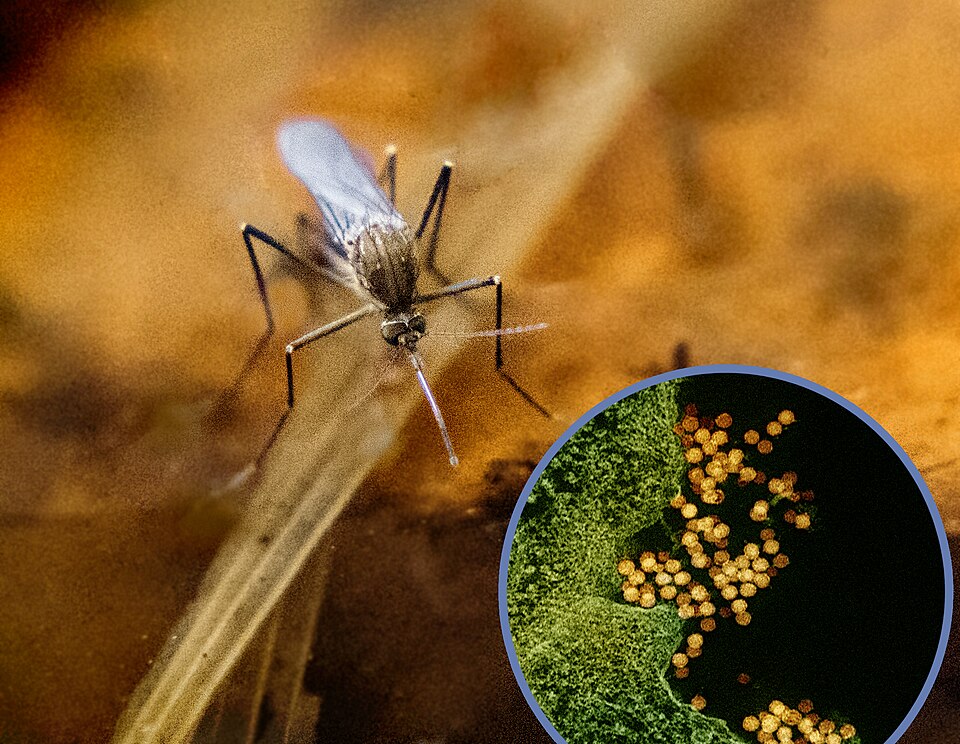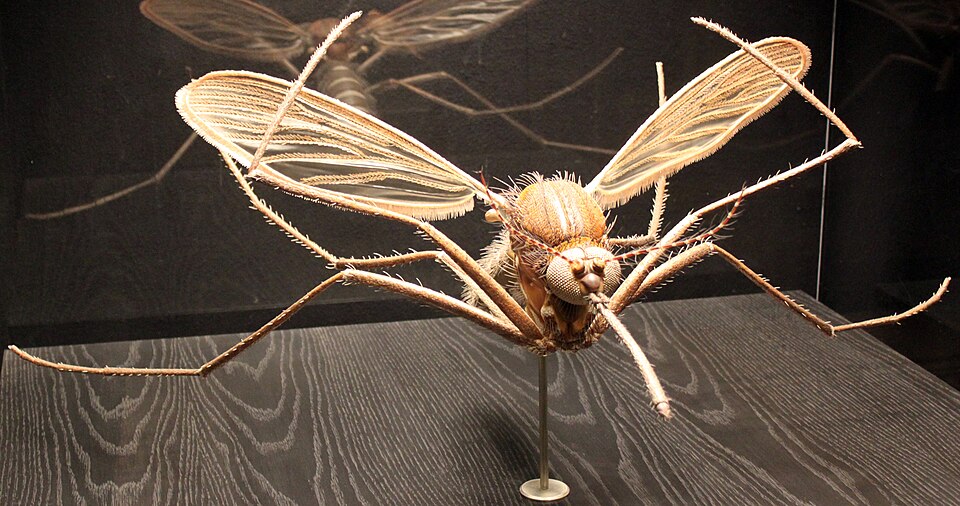
Arkansas health officials are actively tracking mosquito-borne illnesses this summer as rising temperatures create conditions favorable for mosquito populations to grow, according to 5newsonline.com. The Arkansas Department of Health has been monitoring for diseases spread by mosquitoes, including West Nile virus, which circulates in the state each year during warm months.
Mosquitoes breed in standing water and become most active during summer. In Arkansas, the combination of heat and humidity creates conditions that support large mosquito populations across much of the state. Health officials typically see mosquito-borne illness cases rise between July and September.
West Nile virus is the most common mosquito-borne disease in the continental United States. Most people infected with the virus experience no symptoms or only mild illness, including fever, headache, and body aches. However, a small percentage of those infected develop severe neurological illness, which can include inflammation of the brain or the membranes surrounding it. Older adults and people with weakened immune systems face the highest risk of serious complications.
The virus spreads when a mosquito bites an infected bird and then bites a person. It does not spread directly from person to person. There is no vaccine or specific treatment for West Nile virus in humans. Medical care for severe cases focuses on managing symptoms.
Health officials are asking residents to take precautions to reduce their exposure. Standard recommendations include eliminating standing water around homes, where mosquitoes lay eggs. Common sources include flowerpots, buckets, birdbaths, clogged gutters, and old tires. Even small amounts of stagnant water can support mosquito breeding.
Officials also recommend wearing long sleeves and pants during dawn and dusk when mosquitoes are most active, and applying insect repellent containing DEET, picaridin, or other EPA-registered ingredients. Window screens and air conditioning can reduce indoor exposure.
Arkansas is not alone in its concern. Health departments across the South and Midwest conduct similar surveillance programs each summer. Mosquito control programs use larvicides and adult mosquito spraying in areas where disease activity is detected, though the effectiveness of large-scale spraying depends on timing and local conditions.
The state's tracking efforts involve testing dead birds, which serve as early indicators of West Nile virus activity in a given area, as well as monitoring mosquito traps placed throughout the state. When virus activity is detected in these surveillance systems, public health officials typically issue advisories for affected counties.