![On the left a flowchart showing the different DNA repair pathways[1] that may act on a double-stranded DNA break , together with their typical outcome. Annotations in light gray indicate the proteins or processes that facilitate progress to the next step in the flowchart. On the right an illustratio](https://freenewspress.com/media/2026/06/09/dna-repair-protein-b74c9b.png)
Daniel Cressy spent much of his childhood hospitalized. Between six and twelve times a year, the pain from sickle cell disease brought him back to a hospital bed. He was diagnosed as an infant. Now, at 23, he has been declared functionally cured.
Manning Family Children's Hospital announced on June 22 that Cressy had become the first person in the Gulf South to achieve that status after receiving Casgevy, a CRISPR-based gene-editing therapy. According to Healthline, the milestone marks a significant step forward for patients living with one of the most painful and debilitating inherited blood disorders in the United States.
Sickle cell disease causes red blood cells to become rigid and crescent-shaped. That shape restricts blood flow, leading to what doctors call vaso-occlusive crises, along with organ damage, stroke, infection, and other serious complications. The disease disproportionately affects Black Americans.
Cressy had a specific reason beyond his health to pursue treatment. He had dreamed of becoming a commercial airline pilot for years, but the Federal Aviation Administration would not medically certify him because of his diagnosis. He appealed the decision and received an answer that pointed him toward treatment. "The answer came back," Cressy said in a statement released by Manning Family Children's Hospital. "If I could cure my sickle cell disease either through a bone marrow transplant or through gene therapy, then I could become a pilot."
When Casgevy became available, Cressy chose to pursue it. The process took more than two years. It involved collecting his stem cells, undergoing chemotherapy to prepare his bone marrow, receiving an infusion of the gene-edited cells, and months of recovery and follow-up care. On June 22, he rang the ceremonial bell at Manning Family Children's Hospital to mark the end of that journey.
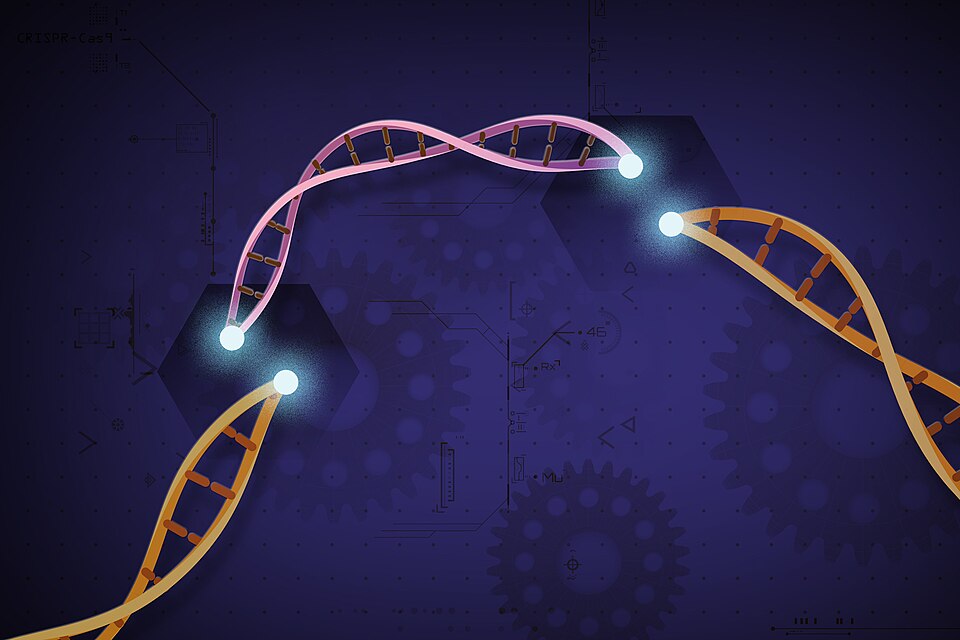
Casgevy works by collecting a patient's blood-forming stem cells and using CRISPR technology to modify them so they produce higher levels of fetal hemoglobin. After chemotherapy clears the way, the edited cells are returned to the body. There, they produce healthier red blood cells that are less likely to sickle and block blood flow.
Doctors use the term functionally cured rather than simply cured because the therapy is designed to prevent the painful complications that have historically defined patients' lives, not to eliminate every biological trace of the underlying condition. Patients continue to receive long-term medical follow-up after treatment.
Despite Cressy's outcome, the path to Casgevy remains closed for many patients. Cost, insurance approval, and limited access at specialized centers are barriers that have kept the therapy out of reach for large numbers of people who might otherwise qualify. Sickle cell disease affects a population that already faces significant health care disparities, and advocates have noted that the gap between what is medically possible and what is practically available remains wide.
Cressy's case draws attention to both sides of that reality. The treatment worked. It gave him back the future he had planned. Whether others can follow that same path depends on factors that medicine alone cannot resolve.